Introduction
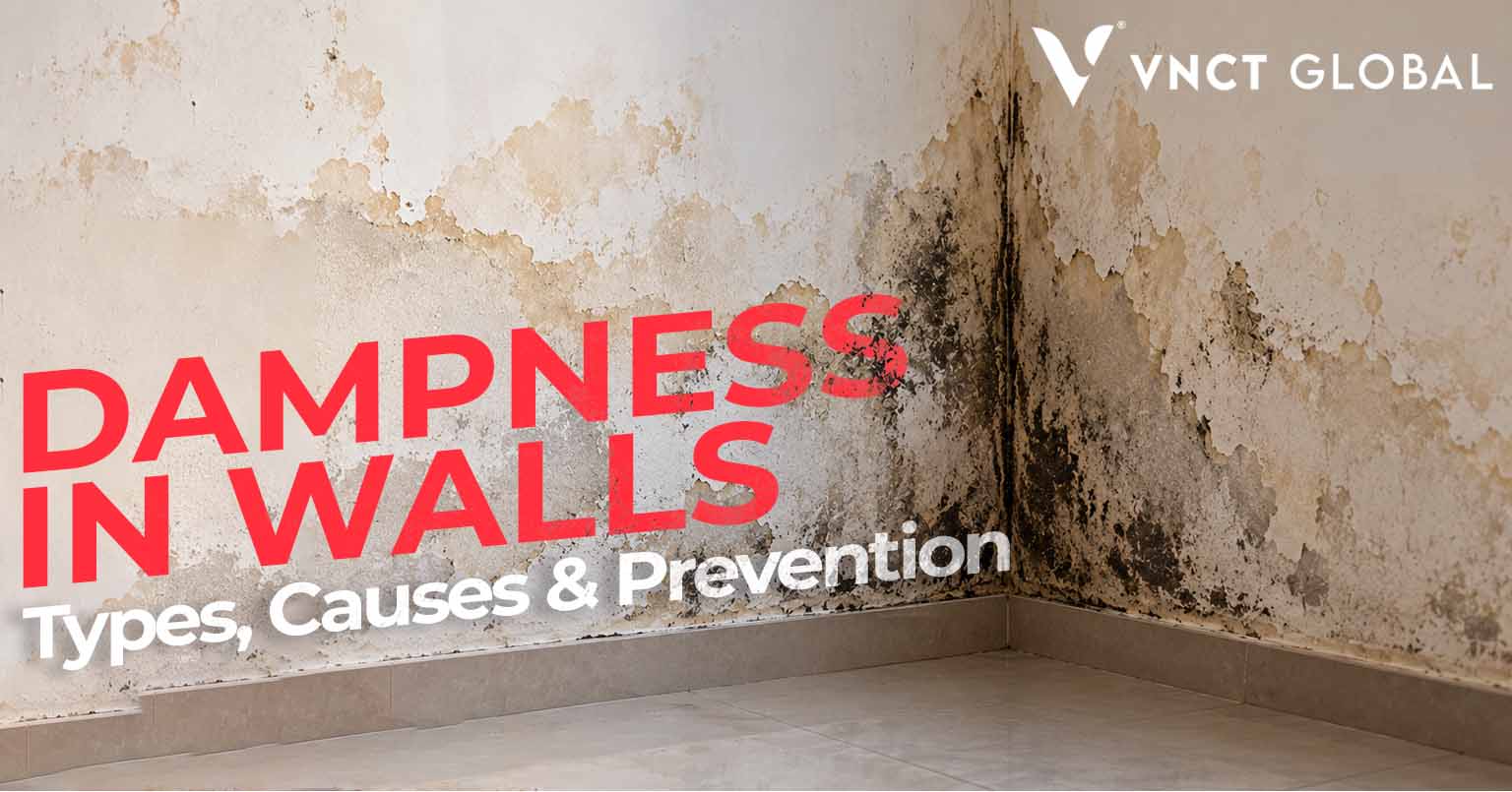
Dampness In Walls Types, Causes & Prevention is an important topic for anyone building, buying or maintaining a home in India. A small dark patch on a wall may appear to be a simple paint problem, but it can indicate water seepage, a plumbing leak, poor drainage, condensation or moisture rising from the ground.
If the underlying issue is ignored, the patch may return after repainting and gradually damage the plaster and interior finish. For Non-Resident Indians (NRIs) who own or plan to purchase property in India, identifying these problems early is particularly important because regular property inspections may not always be possible. Understanding the types of wall dampness, their causes and the right preventive measures can help homeowners protect their investment and reduce repeated repair costs.
AI Overview
Dampness in walls occurs when unwanted moisture enters or accumulates within building materials. Common causes include rainwater seepage, plumbing leaks, rising ground moisture, condensation, damaged waterproofing and poor drainage. Warning signs include peeling paint, dark patches, mould, white salt deposits and musty smells. The most effective solution is to identify and correct the moisture source before repairing the plaster or repainting. Proper waterproofing, drainage, ventilation and routine inspections can help prevent recurring dampness.
What Is Dampness in Walls?
Wall dampness is the presence of unwanted moisture in walls, plaster or other building materials. It may develop gradually or appear suddenly following heavy rainfall, a plumbing failure or a roof leak.
Damp walls can affect the appearance of a home, damage paint and plaster, and encourage mould growth when moisture persists. In some cases, dampness also indicates a concealed plumbing problem or a construction detail that needs attention.
Simply applying a fresh coat of paint does not resolve the issue if water continues to enter the wall. Homeowners should first identify where the moisture is coming from and then choose an appropriate repair method.
Types of Dampness in Walls
Understanding the type of dampness helps determine the right treatment.
1. Rising Dampness
Rising dampness occurs when moisture from the ground moves upward through porous masonry. It is commonly associated with inadequate, damaged or missing damp-proofing measures.
Common signs include:
- Damp patches near the bottom of walls.
- Peeling paint close to floor level.
- White, powdery salt deposits on plaster.
- Deteriorating plaster along the lower wall.
During construction, appropriate damp-proofing, foundation protection and site drainage can help reduce the risk. Existing problems require an assessment to confirm whether ground moisture is the actual cause.
2. Penetrating Dampness
Penetrating dampness occurs when water enters a building through external walls, cracks, roofs, terraces, windows or poorly sealed joints.
In areas such as Chennai, heavy seasonal rainfall can expose weaknesses in exterior wall finishes and terrace waterproofing. Damaged window seals and cracks may also allow water to enter.
Prevention: Inspect exterior walls, repair suitable cracks, maintain window seals and ensure that terraces and balconies have appropriate waterproofing and drainage.
3. Plumbing-Related Dampness
Leaking water supply pipes, drainage lines, bathroom fittings and concealed plumbing can cause damp patches on internal walls.
A patch near a bathroom, kitchen or water line may indicate a plumbing problem, especially if it continues to grow even during dry weather.
Prevention: Check plumbing installations, repair leaking fittings promptly and arrange a professional inspection when the leak is concealed behind walls or floors.
4. Condensation Dampness
Condensation develops when warm, moisture-laden air meets a cooler surface. It commonly occurs in bathrooms, kitchens, poorly ventilated bedrooms and closed rooms.
Common signs include:
- Small black mould spots.
- Moisture on windows and walls.
- Musty smells.
- Damp patches in corners or behind furniture.
Improve ventilation, use suitable exhaust fans in wet areas and avoid keeping rooms unnecessarily closed for long periods. Persistent condensation may also require improvements to insulation or ventilation.
Common Causes of Dampness in Walls
Several factors can contribute to dampness in a house.
Poor waterproofing: Inadequate protection in bathrooms, terraces, balconies and other exposed areas allows moisture to penetrate building materials.
Rainwater seepage: Cracks, damaged exterior finishes and poorly sealed windows can allow rainwater into walls.
Plumbing leaks: Damaged pipes and leaking bathroom fittings may cause hidden moisture accumulation.
Poor drainage: Water collecting around the building can increase moisture exposure near foundations and lower walls.
Construction defects: Improperly finished joints, inadequate damp-proofing and unsuitable construction details may create pathways for water.
Roof and terrace leakage: Damaged waterproofing, blocked outlets or inadequate drainage can lead to ceiling and upper-wall dampness.
High indoor humidity: Cooking, bathing and insufficient ventilation can increase condensation, especially in enclosed rooms.
Identifying the cause is essential because different moisture problems require different repair methods.
Signs That Your Walls May Have a Dampness Problem
Early warning signs should not be ignored, particularly when they repeatedly appear in the same location.
- Dark patches: May indicate moisture entering or accumulating within the wall.
- Peeling paint: Moisture can weaken the bond between paint and the underlying surface.
- Bubbling paint: Trapped moisture may cause the paint film to lift.
- White deposits: Powdery salts can appear as moisture evaporates from masonry.
- Mould growth: Persistent moisture may encourage mould, particularly in poorly ventilated spaces.
- Musty odour: An ongoing smell may indicate hidden dampness or mould.
- Cracked or crumbling plaster: Prolonged moisture can contribute to deterioration.
- Recurring patches: Dampness that returns after repainting suggests that the underlying cause may remain unresolved.
If dampness spreads quickly, appears near electrical fittings or is accompanied by a suspected plumbing leak, arrange a professional inspection promptly.
How to Identify the Source of Wall Dampness
The location and pattern of a damp patch can provide useful clues, although visual inspection alone cannot confirm every cause.
| Location of dampness | Possible cause |
| Bottom of the wall | Rising moisture or water accumulation near the foundation |
| Near a bathroom | Plumbing leak or failed waterproofing |
| Around windows | Rainwater entering through joints or seals |
| Ceiling and upper walls | Roof or terrace leakage |
| External-facing walls | Rainwater penetration or cracks |
| Corners and behind furniture | Condensation or limited ventilation |
| Kitchen walls | Plumbing leakage, condensation or external seepage |
A professional may need to inspect plumbing, moisture levels, exterior surfaces and drainage before recommending repairs. Avoid treating every damp patch with the same waterproofing product.
How to Prevent Dampness During House Construction
Preventive measures are generally easier to incorporate during construction than after a home is completed.
Plan Waterproofing Properly
Waterproofing should be considered during the design and construction stages. Bathrooms, terraces, balconies and other moisture-prone areas need suitable systems and correct installation.
Protect External Walls
Use appropriate exterior finishes and construction details to reduce rainwater penetration. Inspect joints, window openings and vulnerable wall sections.
Ensure Proper Drainage
Plan site levels and drainage so that rainwater does not collect around the building. Terrace and balcony outlets should allow water to drain effectively.
Check Plumbing Installations
Water supply and drainage lines should be installed and tested appropriately. Leaks identified before finishing work can prevent unnecessary wall damage later.
Pay Attention to Foundations
Suitable damp-proofing and moisture protection should be incorporated according to site conditions and the building design.
Inspect Before Finishing
Before painting or closing concealed areas, check relevant waterproofing work, plumbing installations and vulnerable construction details. Maintain records of inspections and repairs for future reference.
For anyone researching a House construction company in chennai, asking about waterproofing methods, drainage planning, plumbing testing and quality inspections is a practical step when comparing builders.
Dampness Prevention for NRI Homeowners
Buying or constructing a home in India while living overseas brings additional challenges. An NRI may not be available to inspect the property whenever a damp patch, leaking pipe or terrace problem first appears.
A small issue can become more expensive if it remains unnoticed for an extended period. A practical remote property-management process can help reduce this risk.
NRIs should consider the following measures:
- Request photographs and videos of relevant construction stages.
- Arrange inspections of bathrooms, terraces, external walls and plumbing.
- Ask for updates when waterproofing and drainage work is completed.
- Keep records of construction progress, inspection findings and repairs.
- Arrange periodic property inspections, particularly before and after the monsoon.
- Ensure that someone locally can report leaks or visible damage promptly.
Remote updates can improve visibility, but they do not replace physical inspections where moisture problems need professional diagnosis.
How VNCT Global Supports NRI Homebuyers
For NRIs planning to invest in residential property in Tamil Nadu, choosing a suitable project involves more than comparing the location, floor plan and price. Construction quality, documentation, communication and long-term maintenance considerations also deserve attention.
VNCT Global serves buyers interested in villa developments and provides a point of contact for discussing project details and the buying process.
Depending on the project and the services available, NRI buyers can enquire about:
- Virtual project visits and property information.
- Project specifications and available documentation.
- Communication with the project team.
- Construction progress updates, where applicable.
- Guidance on the property selection and purchase process.
- Arrangements for discussing property-related questions remotely.
NRIs searching for villas in Chennai, villas in Madurai or villas in Coimbatore should ask the developer about the construction specifications, waterproofing provisions, drainage arrangements and applicable maintenance responsibilities before making a decision.
VNCT Global also engages with overseas audiences through initiatives such as events in Dubai, helping prospective buyers learn about its villa developments and available opportunities. Buyers should confirm the current project status, available services and relevant documentation directly with the team.
Choosing a Villa With Long-Term Construction Quality in Mind
When comparing the best villa developers in India, buyers should evaluate construction practices, project documentation, location, drainage, waterproofing and the developer’s approach to customer communication.
Searches for the best villa devlopers in india or the largest villa devlopers in india may help buyers begin their research, but these phrases alone do not establish a developer’s quality or reliability. Review project specifications, legal documents and the evidence available before making a purchase.
For buyers exploring the best villa projects in Chennai, best villa projects in Coimbatore or best villa projects in Madurai, the same principle applies: look beyond the exterior appearance and ask how the building is designed to manage water and moisture.
VNCT Global has residential projects including Brookside Residences, Palm Shore, Palm Beach, Creek Residences, Park Villas and Ocean Drive Villas. Availability and project status can change, so contact the team to confirm current details before planning a visit or purchase.
A careful comparison helps buyers make informed decisions rather than relying only on marketing claims.
Dampness Prevention for Villas in Chennai, Madurai and Coimbatore
Local weather, site conditions and building design influence the way moisture affects a property.
Chennai: Seasonal heavy rainfall, humidity and coastal exposure in some locations make exterior wall protection, terrace drainage and window sealing important considerations.
Madurai: Roof protection, exterior finishes, plumbing maintenance and drainage should be assessed according to the property’s construction and local site conditions.
Coimbatore: Seasonal rainfall, site drainage and the condition of terraces and exterior walls deserve attention during property inspections.
These are general considerations rather than guarantees that a particular property will experience dampness. A property’s actual risk depends on its location, design, construction quality and maintenance.
Is Repainting Enough to Fix Damp Walls?
No. Repainting alone usually does not solve dampness when the source of moisture remains.
For example, painting over a wall affected by a plumbing leak may temporarily improve its appearance, but the patch can return if the leak is not repaired.
A more appropriate approach is to identify the moisture source, correct the underlying issue, allow the affected area to dry adequately and then repair the plaster and paint as required. Where mould is present, it should also be addressed safely and the conditions causing it should be corrected.
Best Practices for NRIs Managing a Home From Abroad
A simple inspection schedule can help NRIs monitor a property without needing to be physically present for every routine check.
Before the monsoon
- Inspect terraces, balconies and roof drainage.
- Check external walls, windows and visible cracks.
- Confirm that drainage outlets are clear.
During the monsoon
- Look for new damp patches and ceiling stains.
- Report water entering through windows or external walls.
- Arrange prompt inspection of suspected leaks.
After the monsoon
- Check for peeling paint, mould and damaged plaster.
- Review recurring moisture problems.
- Arrange repairs and retain records of the work.
A local property manager or trusted representative can help coordinate inspections and communicate findings. For concealed leaks or persistent dampness, a qualified professional should assess the property rather than relying solely on photographs.
Conclusion
Dampness in walls should never be treated as just a paint or plaster problem. It is important to identify the moisture source, correct the underlying issue and use appropriate waterproofing, drainage and maintenance measures to reduce the risk of recurring damage.
For homeowners and NRIs planning to purchase property in India, understanding these details can help protect the condition and long-term value of a home. Before choosing a villa, ask about construction specifications, waterproofing, drainage and inspection procedures, and review the available documentation carefully.
VNCT Global welcomes enquiries from prospective NRI buyers interested in its villa developments. To learn more about available projects, property details and the buying process, contact us VNCT Global for further information.
A well-informed purchase and a consistent maintenance plan can help homeowners manage moisture risks and care for their property over the long term.
FAQ’s For Dampness In Walls
What causes dampness in walls?
Dampness may result from rainwater seepage, plumbing leaks, rising ground moisture, condensation, damaged waterproofing, poor drainage or construction defects. Identifying the actual source is the first step towards choosing the right treatment.
What are the main types of dampness in walls?
The main types are rising dampness, penetrating dampness, plumbing-related dampness and condensation dampness. Each has different causes and may require a different repair approach.
How can I identify rising dampness?
Rising dampness often appears near the bottom of a wall and may cause peeling paint, damaged plaster or white salt deposits. These signs are not conclusive, so a professional assessment may be necessary to rule out other moisture sources.
Can plumbing leaks cause dampness in walls?
Yes. Leaking concealed pipes, bathroom fittings and drainage lines can cause persistent damp patches. If the moisture appears near plumbing installations, arrange an inspection to identify and repair the leak.
Does repainting permanently fix damp walls?
No, not if the underlying moisture problem remains. The water source should be corrected, and the affected wall should be allowed to dry before suitable surface repairs and repainting.
How can dampness be prevented during house construction?
Appropriate waterproofing, damp-proofing, drainage, plumbing installation and exterior wall protection can reduce the risk. These measures should be planned early and inspected before finishing work.
What should NRIs check before buying a villa in India?
NRIs should review the property’s condition, waterproofing provisions, terrace drainage, plumbing, external walls, construction specifications, legal documentation and maintenance responsibilities. An independent inspection can help identify issues that are not immediately visible.
How can NRIs monitor a villa project remotely?
They can request progress photographs, videos, documentation and regular updates, and arrange physical inspections through a trusted representative or qualified professional. Remote communication helps with monitoring but cannot replace an on-site assessment of suspected defects