AI Overview
Wall cracks are common in both new and old homes, but not every crack indicates a serious structural problem. Hairline cracks often result from normal settling, plaster shrinkage, or temperature changes, while wider or diagonal cracks may point to foundation movement or structural issues. The best way to fix wall cracks depends on their type, size, and cause. Small plaster cracks can usually be repaired with crack filler, putty, and repainting, whereas structural cracks require professional inspection and specialized repair techniques. Regular maintenance, quality construction materials, and timely repairs can prevent cracks from worsening and help maintain your home’s durability and appearance.
Introduction
Cracks appearing on your walls can be worrying, especially if you’ve recently built or purchased a home. Guide to Fixing Cracks in Wall is one of the most searched topics among homeowners because wall cracks can range from harmless cosmetic imperfections to signs of underlying structural issues. Understanding why these cracks occur and how to repair them correctly is the first step toward protecting your home’s strength, safety, and long-term value.
Whether you own an apartment, an independent house, or one of the premium villas in chennai, regular maintenance plays a vital role in preserving the beauty and durability of your property. While many minor cracks can be repaired with simple techniques, larger or recurring cracks should never be ignored. Early identification can save homeowners from expensive structural repairs in the future.
At VNCT GLOBAL, we understand that buying a home is one of life’s biggest investments. As one of the best villa developers in india, we believe quality construction starts long before the finishing paint is applied. From foundation engineering to premium construction materials and strict quality inspections, every stage contributes to minimizing the risk of wall cracks over time. Our residential communities, including Brookside Residences, Palm Shore, Palm Beach, Creek Residences, Park Villas, and Ocean Drive Villas, are designed with durability, engineering excellence, and long-term homeowner satisfaction in mind.
In this comprehensive guide, you’ll learn the different types of wall cracks, their causes, practical repair methods, preventive maintenance tips, and when it’s time to consult a structural expert. Whether you’re a homeowner, property investor, or planning to purchase your dream villa, this guide will help you make informed decisions about maintaining your property’s structural integrity.
Why Do Wall Cracks Appear?
Wall cracks are not always caused by poor construction. In many cases, they develop due to natural building movement, environmental conditions, or material behavior over time. Knowing the root cause helps determine whether the crack is cosmetic or requires immediate professional attention.
Some of the most common causes include:
1. Natural Settlement of the Building
Every new building settles slightly after construction. As the soil beneath the foundation compresses and adjusts to the structure’s weight, minor hairline cracks may develop in plaster or paint. These are generally harmless and are considered a normal part of the building’s lifecycle.
2. Plaster Shrinkage
Fresh plaster contains moisture. As it dries, the moisture evaporates, causing slight shrinkage. This process often results in thin surface cracks, particularly around corners, ceilings, and wall joints.
These cracks usually affect only the finishing layer rather than the building’s structural components.
3. Temperature Changes
Construction materials naturally expand during hot weather and contract during cooler temperatures. Continuous expansion and contraction place stress on walls, eventually creating visible cracks.
Homes exposed to intense sunlight throughout the year are particularly susceptible to thermal movement.
4. Moisture and Water Seepage
Water is one of the biggest enemies of any building. Rainwater infiltration, plumbing leaks, roof leakage, or poor waterproofing can weaken plaster and masonry, leading to cracks over time.
Signs often include:
- Damp patches
- Paint peeling
- Mold growth
- Bubbling wall finishes
- Cracks around wet areas
Repairing the crack without fixing the moisture source usually leads to the problem returning.
5. Foundation Movement
Foundation settlement caused by weak soil, improper compaction, or changing groundwater conditions can create wider structural cracks.
These cracks typically appear:
- Diagonally near doors
- Around windows
- Along beam-column junctions
- Near the building corners
Foundation-related cracks should always be inspected by structural professionals.
6. Poor Construction Practices
Low-quality materials, incorrect cement ratios, inadequate curing, or rushed workmanship significantly increase the chances of wall cracks.
Professional builders reduce these risks by maintaining strict quality standards throughout construction.
Different Types of Wall Cracks
Understanding the type of crack helps determine the appropriate repair method.
Hairline Cracks
Hairline cracks are extremely thin and generally affect only paint or plaster.
Characteristics include:
- Less than 1 mm wide
- Usually straight
- Cosmetic in nature
- Easy to repair
These cracks rarely indicate structural problems.
Vertical Cracks
Vertical cracks often develop because of natural settlement or plaster shrinkage.
Most are harmless unless they continue widening over time.
Horizontal Cracks
Horizontal cracks require closer attention because they may indicate excessive structural stress.
Possible causes include:
- Foundation pressure
- Water damage
- Soil movement
- Reinforcement corrosion
Professional inspection is recommended.
Diagonal Cracks
Diagonal cracks commonly appear near windows and door openings.
Possible reasons include:
- Uneven settlement
- Structural movement
- Foundation displacement
These should never be ignored.
Stair-Step Cracks
These cracks follow mortar joints in brick walls and usually indicate movement within the masonry.
If they continue expanding, professional assessment becomes essential.
Structural Cracks
Structural cracks are wider than ordinary plaster cracks and may continue growing.
Common warning signs include:
- Width greater than 5 mm
- Visible daylight
- Wall separation
- Door misalignment
- Window sticking
- Floor movement
Immediate structural evaluation is advisable.
How to Tell if a Wall Crack Is Serious
Not every crack is dangerous. Homeowners should monitor the following indicators:
| Minor Crack | Serious Crack |
| Thin hairline appearance | Wider than 5 mm |
| Does not grow | Continues expanding |
| Only affects paint | Extends into masonry |
| No moisture | Water seepage present |
| Easy cosmetic repair | Structural repair required |
If a crack widens noticeably within a few months or is accompanied by uneven flooring or sticking doors, consult a structural engineer without delay.
Why Early Repairs Matter
Ignoring wall cracks can lead to larger repair costs later. Small cracks allow moisture to penetrate the wall, weakening plaster, causing paint failure, and eventually affecting the underlying masonry.
Addressing cracks early offers several benefits:
- Prevents water infiltration
- Protects structural integrity
- Improves interior appearance
- Reduces maintenance costs
- Preserves property value
- Extends the lifespan of wall finishes
For homeowners investing in premium properties, regular inspections are an essential part of long-term home maintenance. Quality-focused builders such as VNCT GLOBAL, recognized among the largest villa developers in india, emphasize preventive construction practices and routine quality checks to help minimize maintenance issues throughout the life of the home.
Step-by-Step Guide to Fixing Cracks in Wall
Once you’ve identified the type and cause of a crack, the next step is choosing the right repair method. While many minor cracks can be fixed using basic tools and materials, larger or recurring cracks require professional attention. The key is not just repairing the visible crack but addressing the underlying cause to prevent it from reappearing.
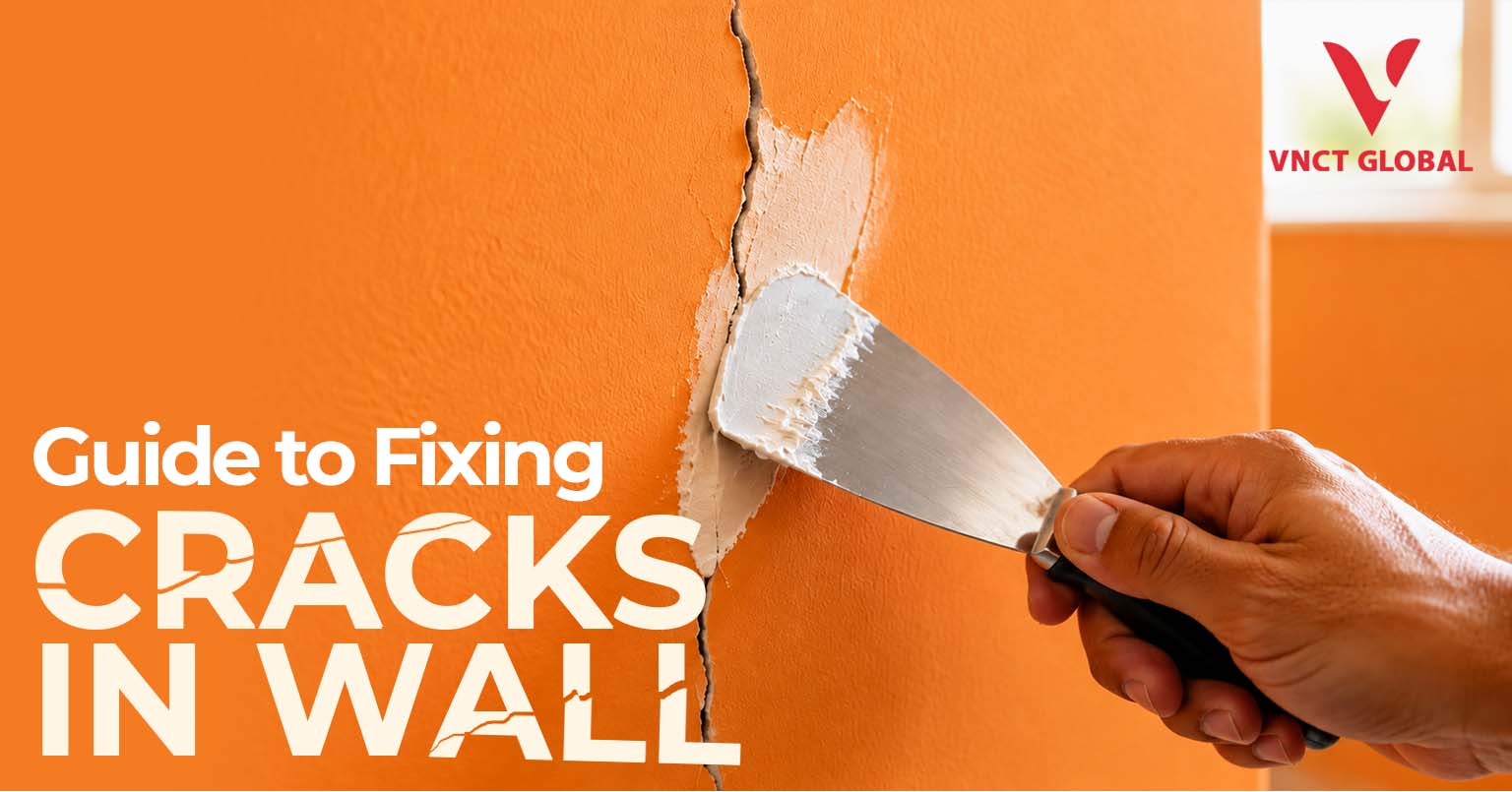
Below is a practical Guide to Fixing Cracks in Wall that homeowners can follow.
How to Repair Hairline Wall Cracks
Hairline cracks are the easiest to repair because they usually affect only the paint or plaster surface.
Materials Required
- Crack filler
- Wall putty
- Putty knife
- Sandpaper
- Primer
- Interior paint
Step 1: Clean the Crack
Use a scraper or putty knife to remove loose paint, dust, and debris. Cleaning ensures the filler bonds properly with the wall.
Step 2: Slightly Widen the Crack
This may seem unusual, but opening the crack slightly creates enough space for the filler to penetrate deeply and form a stronger bond.
Step 3: Apply Crack Filler
Fill the crack evenly using a flexible crack filler or acrylic sealant. Press the material firmly into the crack to eliminate air pockets.
Step 4: Allow It to Dry
Drying time depends on the product used. Most fillers require 4–24 hours.
Step 5: Sand the Surface
After the filler has cured, smooth the area using fine-grit sandpaper until it blends with the surrounding wall.
Step 6: Prime and Paint
Apply primer first, followed by matching paint. Once completed, the repaired section should blend seamlessly with the rest of the wall.
Repairing Medium-Sized Plaster Cracks
Cracks measuring between 2 mm and 5 mm usually extend deeper into the plaster layer.
The repair process includes:
- Removing loose plaster
- Cleaning dust thoroughly
- Applying bonding agent if necessary
- Filling with polymer-modified repair mortar
- Allowing sufficient curing time
- Sanding and repainting
These repairs are more durable than simply applying wall putty.
Fixing Large Structural Cracks
Structural cracks require a completely different approach.
Repair methods may include:
- Epoxy injection
- Pressure grouting
- Stitching with steel bars
- Reinforcement replacement
- Foundation stabilization
Never attempt to repair structural cracks using ordinary wall putty alone.
Professional structural engineers should inspect:
- Foundation movement
- Load-bearing walls
- Reinforced concrete beams
- Columns
- Slabs
Ignoring structural cracks can compromise the safety of the building.
How to Repair Cracks Around Doors and Windows
Door and window corners experience constant stress due to daily movement and thermal expansion.
Recommended repair method:
- Remove damaged plaster
- Apply fiberglass mesh over the crack
- Use polymer mortar
- Finish with putty
- Sand
- Prime
- Paint
Fiberglass mesh reinforces the repair and significantly reduces the chances of recurring cracks.
Repairing Ceiling Cracks
Ceiling cracks should always be inspected carefully because gravity makes loose plaster dangerous.
Repair steps include:
- Remove loose material
- Check for roof leakage
- Repair waterproofing if needed
- Apply crack filler
- Reinforce wider cracks using mesh tape
- Finish with putty and paint
Never ignore ceiling cracks accompanied by sagging plaster.
Exterior Wall Crack Repair
Exterior walls are exposed to:
- Rain
- UV rays
- Temperature fluctuations
- Moisture
- Wind
Therefore, exterior crack repairs require weather-resistant materials.
Professionals generally use:
- Elastomeric crack fillers
- Waterproof sealants
- Exterior-grade cementitious compounds
- Flexible acrylic coatings
Proper waterproofing after repair extends the life of the wall significantly.
How to Prevent Wall Cracks
Preventing cracks is far easier than repairing them after they develop.
Here are some practical maintenance tips:
Choose Quality Construction Materials
High-quality cement, sand, aggregates, steel, and waterproofing products reduce long-term maintenance issues.
Ensure Proper Curing
Concrete and plaster require adequate curing to develop strength and minimize shrinkage.
Waterproof the Building
Waterproofing roofs, bathrooms, balconies, terraces, and exterior walls prevents moisture damage.
Monitor Plumbing
Even a small concealed pipe leak can weaken surrounding plaster over time.
Schedule Regular Inspections
Annual inspections help identify early signs of cracking before repairs become expensive.
Maintain Drainage Systems
Poor drainage around the building can lead to foundation settlement and wall movement.
Why Quality Construction Makes a Difference
Many wall cracks originate during construction rather than years later.
Proper construction practices include:
- Soil testing before foundation work
- Structural design by qualified engineers
- Correct reinforcement placement
- Quality concrete mixing
- Controlled curing
- Professional plaster application
- Waterproofing inspections
- Final quality audits
Builders who prioritize these processes deliver homes with fewer maintenance issues over the years.
At VNCT GLOBAL, quality is built into every stage of development rather than added as an afterthought. From engineering and material selection to finishing work, every detail is carefully monitored to create durable homes that stand the test of time. This commitment is reflected across projects such as Brookside Residences, Palm Shore, Palm Beach, Creek Residences, Park Villas, and Ocean Drive Villas, where homeowners benefit from thoughtfully planned construction and long-lasting quality.
As one of the best villa developers in india, VNCT GLOBAL focuses on delivering homes that combine structural integrity, modern design, and premium living standards. Whether you’re exploring villas in chennai, villas in madurai, or villas in coimbatore, choosing a trusted developer can significantly reduce future maintenance concerns and provide greater peace of mind.
A Special Guide for NRI Homeowners
Many Non-Resident Indians (NRIs) invest in premium villas while living overseas. Since they cannot inspect their property regularly, unnoticed wall cracks or moisture issues can worsen over time.
To keep your property in excellent condition:
- Arrange periodic property inspections.
- Address minor cracks before they expand.
- Ensure waterproofing systems are maintained.
- Check for plumbing leaks during scheduled maintenance.
- Keep ventilation systems functioning properly.
- Maintain exterior walls before every monsoon season.
- Hire a reliable property management team for routine checks.
At VNCT GLOBAL, we understand the unique needs of NRI buyers. We support overseas homeowners with transparent communication, construction updates, quality assurance, and guidance throughout the buying journey. Whether you’re investing in the best villa projects in Chennai, the best villa projects in Coimbatore, or the best villa projects in Madurai, our experienced team ensures that every stage—from booking to handover—is managed with professionalism and care.
We also connect with customers through events in dubai, allowing NRIs to explore our latest developments, interact with our experts, and make informed investment decisions without frequent travel to India. If you’d like to learn more about our communities or services, simply contact us vnct global, and our team will be happy to assist you with personalized support.
As one of the largest villa developers in india, VNCT GLOBAL remains committed to building homes that deliver lasting value, quality craftsmanship, and confidence for homeowners across India and around the world.
Wall Crack Repair Cost in India
The cost of repairing wall cracks depends on several factors, including the crack’s severity, the materials used, the repair method, and labour charges in your city. Cosmetic repairs are generally affordable, while structural repairs require specialized expertise and equipment.
| Type of Crack | Estimated Repair Cost |
| Hairline plaster crack | ₹20–₹60 per sq. ft. |
| Medium plaster crack | ₹60–₹150 per sq. ft. |
| Waterproof crack repair | ₹80–₹250 per sq. ft. |
| Structural crack repair | Varies based on inspection and repair method |
Note: Prices are indicative and may vary depending on location, materials, and the extent of the damage
Before starting any repair work, it’s always advisable to obtain an inspection from a qualified professional to identify the root cause of the crack.
Wall Crack Maintenance Checklist
Preventive maintenance is one of the simplest ways to keep your home in excellent condition. Use this checklist at least once or twice a year.
✔ Inspect interior and exterior walls for new cracks.
✔ Check roofs and terraces for water leakage.
✔ Examine bathroom and kitchen plumbing for hidden leaks.
✔ Clean rainwater drains and downpipes.
✔ Repair peeling paint before moisture spreads.
✔ Inspect window and door corners for stress cracks.
✔ Ensure exterior waterproof coatings remain intact.
✔ Monitor cracks after heavy rainfall or earthquakes.
✔ Repaint walls using quality primers and paints when required.
✔ Schedule professional inspections if cracks continue to grow.
Regular maintenance not only protects the appearance of your home but also helps avoid costly repairs in the future.
When Should You Call a Professional?
While small plaster cracks can often be repaired at home, some situations require expert assessment.
You should contact a structural engineer or experienced building professional if you notice:
- Cracks wider than 5 mm.
- Horizontal or stair-step cracks.
- Cracks that continue to increase in length or width.
- Water leakage through cracked walls.
- Doors and windows becoming difficult to open or close.
- Uneven flooring or foundation settlement.
- Bulging walls or sagging ceilings.
- Multiple cracks appearing in different areas of the house.
Ignoring these warning signs can lead to more extensive structural damage over time.
How VNCT GLOBAL Builds Homes That Last
A home is much more than walls and a roof—it’s a long-term investment for your family. At VNCT GLOBAL, every project is planned with durability, functionality, and customer satisfaction in mind.
Our engineering teams follow industry best practices from foundation to finishing, helping homeowners enjoy stronger, more reliable homes with fewer maintenance concerns. Attention to detail, premium materials, and rigorous quality checks contribute to homes that retain their beauty and performance for years.
Whether you’re searching for villas in chennai, villas in madurai, or villas in coimbatore, VNCT GLOBAL offers thoughtfully designed communities that cater to modern lifestyles.
Some of our premium developments include:
Each project is designed with spacious layouts, quality craftsmanship, and amenities that enhance everyday living.
Recognized among the best villa developers in india, VNCT GLOBAL focuses on delivering exceptional residential communities that combine architectural excellence with long-term value. Our commitment to quality has also established us among the largest villa developers in india, earning the trust of homeowners and investors alike.
If you’re planning to invest in the best villa projects in Chennai, the best villa projects in Coimbatore, or the best villa projects in Madurai, our experienced team can help you choose a home that matches your lifestyle and investment goals.
Final Thoughts
Wall cracks are a common part of homeownership, but understanding their causes and responding promptly can make all the difference. While minor hairline cracks are often cosmetic, larger or recurring cracks may indicate deeper structural concerns that require professional attention.
Following this Guide to Fixing Cracks in Wall will help you identify different crack types, choose the appropriate repair methods, and take preventive measures to protect your property. Regular inspections, timely maintenance, and quality construction are the best ways to keep your home safe, attractive, and durable.
For anyone planning to invest in a premium villa, selecting a trusted builder is just as important as maintaining the property after purchase. As one of the best villa developers in india and among the largest villa developers in india, VNCT GLOBAL is committed to building homes that combine quality construction, thoughtful design, and lasting value. Whether you’re a homeowner in India or an NRI looking for a reliable investment, our projects are designed to provide comfort, peace of mind, and a superior living experience for years to come.
FAQs for Fixing Cracks in Wall
What is the most common cause of wall cracks?
The most common causes include natural settlement, plaster shrinkage, temperature changes, moisture infiltration, and foundation movement.
Are hairline cracks in walls dangerous?
No. Hairline cracks are generally cosmetic and can usually be repaired using crack filler and repainting.
How can I tell if a wall crack is structural?
Structural cracks are usually wider than 5 mm, appear diagonally or horizontally, continue growing, or are accompanied by uneven floors or sticking doors and windows.
Can I repair wall cracks myself?
Yes. Small plaster and paint cracks can often be repaired using suitable fillers. Structural cracks should always be inspected by professionals.
How long does wall crack repair last?
A properly repaired cosmetic crack can last for many years, provided the underlying cause has been addressed.