AI Overview
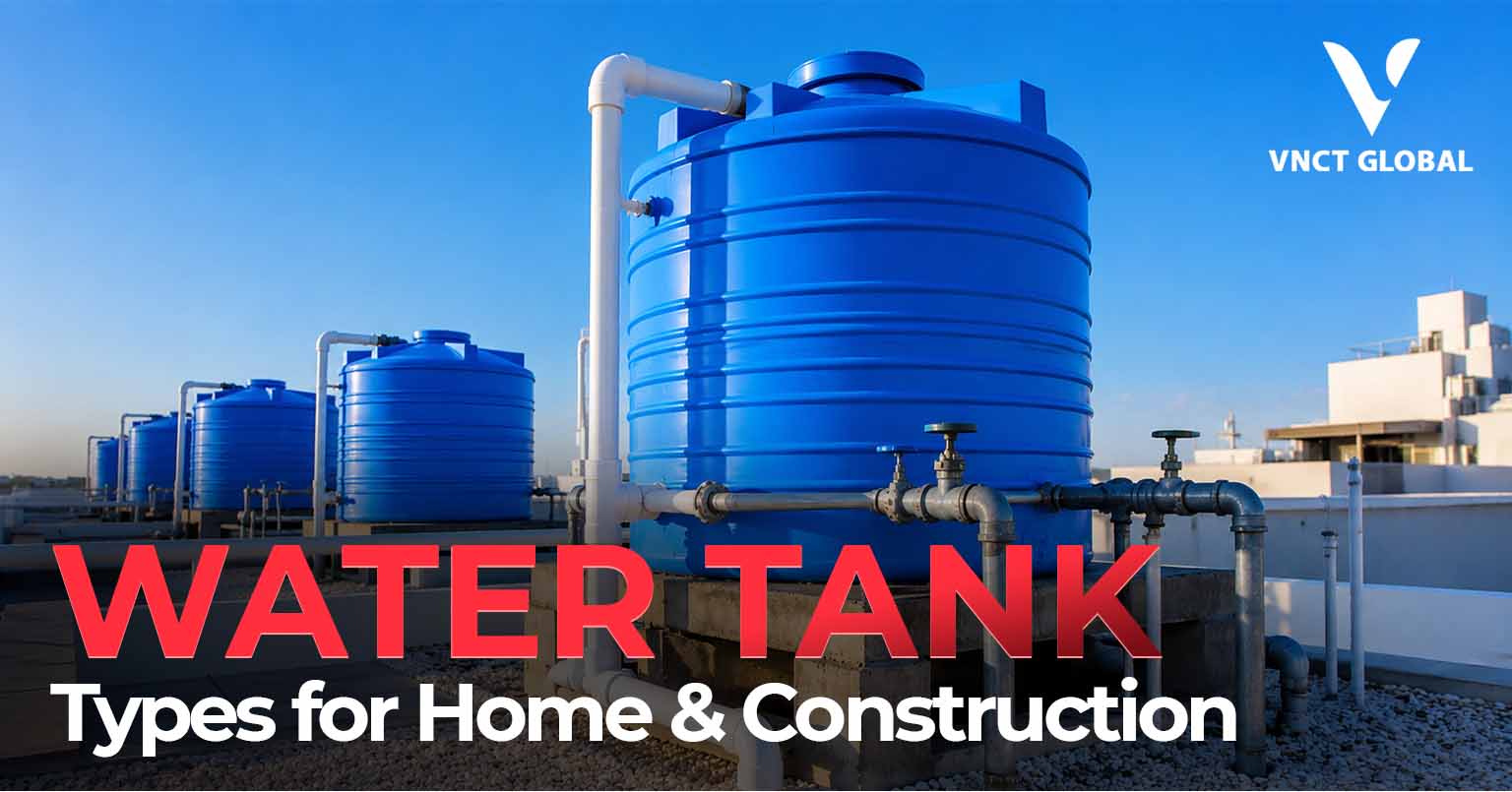
Choosing the right Water Tank Types for Home & Construction is one of the most important decisions when building a house, villa, apartment, or commercial property. A properly selected water tank ensures a continuous water supply, protects water quality, reduces maintenance costs, and improves the overall efficiency of your plumbing system.
The most common water tank types include:
- Plastic (HDPE/LLDPE) Water Tanks
- RCC (Reinforced Cement Concrete) Water Tanks
- Stainless Steel Water Tanks
- Galvanized Steel Water Tanks
- Fiberglass (FRP) Water Tanks
- Underground Water Tanks
- Overhead Water Tanks
- Modular Panel Water Tanks
The best choice depends on factors such as family size, water consumption, available space, climate, budget, and the type of property. Whether you’re constructing an independent home, a luxury villa, or a gated community, selecting the right water storage solution can significantly improve long-term performance and convenience.
Introduction
Water is one of the most essential resources in any home. Regardless of whether you’re building a compact residence or a luxury villa, choosing the right Water Tank Types for Home & Construction plays a crucial role in ensuring a reliable water supply every day. A well-designed water storage system helps maintain water pressure, supports uninterrupted household activities, and safeguards water quality for years.
Modern homeowners are no longer looking for just a storage container—they want durable, hygienic, and low-maintenance solutions that complement their property’s infrastructure. From underground tanks that maximize space to overhead tanks that provide natural water pressure, every option serves a different purpose depending on the building design and usage requirements.
At VNCT Global, we believe that quality construction begins with strong planning. Every element, including water storage, contributes to the long-term performance of a home. That’s why our engineering teams carefully consider water storage requirements while designing premium communities such as Brookside Residences, Palm Shore, Palm Beach, Creek Residences, Park Villas, and Ocean Drive Villas.
As one of the best villa developers in india, we understand that infrastructure is just as important as architecture. Our goal is to ensure homeowners enjoy comfort, efficiency, and peace of mind from the day they move in.
Why Choosing the Right Water Tank Matters
Many homeowners spend considerable time selecting flooring, paint colours, interiors, and furniture. However, they often overlook one of the most important components of a home’s infrastructure—the water tank.
A poor-quality water tank can result in:
- Water contamination
- Frequent leakage
- Structural damage
- High maintenance costs
- Reduced water pressure
- Algae formation
- Rust and corrosion
- Shorter service life
On the other hand, selecting the appropriate tank provides numerous long-term benefits.
Continuous Water Supply
Municipal water isn’t always available around the clock. A properly sized tank ensures your family always has sufficient water for cooking, bathing, cleaning, gardening, and other daily activities.
Better Water Quality
Modern food-grade water tanks prevent bacterial growth and protect stored water from external contaminants, dust, and insects.
Improved Water Pressure
Overhead tanks use gravity to distribute water efficiently throughout the building without excessive dependence on pumps.
Reduced Maintenance
High-quality tanks require fewer repairs, offer longer service life, and reduce maintenance expenses over time.
Supports Future Expansion
If you’re planning additional floors, landscaping, swimming pools, or increased occupancy, selecting the right tank capacity during construction makes future expansion much easier.
Factors to Consider Before Choosing a Water Tank
Selecting a water tank isn’t simply about purchasing the largest available model. Several practical considerations should influence your decision.
Family Size
The number of occupants directly impacts daily water consumption.
For example:
| Family Members | Recommended Tank Capacity |
| 2–3 People | 1000–1500 Litres |
| 4–5 People | 2000 Litres |
| 6–8 People | 3000–5000 Litres |
| Large Villa | 5000+ Litres |
These values may vary depending on local water availability and usage patterns.
Water Source
The type of water supply also affects tank selection.
Common sources include:
- Municipal Corporation Water
- Borewell Water
- Tanker Water
- Rainwater Harvesting
- Recycled Water Systems
Homes using multiple water sources often require separate storage tanks for better management.
Available Space
The location of installation significantly influences the ideal tank type.
Common installation locations include:
- Rooftop
- Terrace
- Backyard
- Basement
- Underground
- Utility Area
Each location has unique structural and maintenance requirements.
Budget
While plastic tanks are generally more affordable, RCC and stainless-steel tanks offer greater durability for specific applications.
Homeowners should evaluate the long-term value rather than focusing solely on the initial purchase cost.
Climate
Environmental conditions affect the lifespan of water tanks.
Factors include:
- High temperatures
- Heavy rainfall
- Coastal humidity
- UV exposure
- Saline groundwater
Choosing UV-resistant and corrosion-resistant materials can significantly increase durability.
Common Water Tank Materials
Before selecting a tank type, it’s important to understand the materials commonly used in construction.
Plastic (HDPE & LLDPE)
Plastic tanks are the most widely used option for residential homes across India.
Advantages
- Lightweight
- Affordable
- Easy installation
- Rust-free
- Available in various sizes
- UV-resistant
- Food-grade materials
Limitations
- Can deform under extreme conditions if low-quality materials are used.
- Requires periodic cleaning.
Plastic tanks remain the preferred option for most independent houses and villas.
RCC (Reinforced Cement Concrete)
RCC tanks are commonly constructed on-site and are widely used for underground storage.
Advantages
- Extremely strong
- Long lifespan
- Suitable for large capacities
- Excellent structural stability
- Ideal for apartment complexes
Limitations
- Longer construction time
- Higher construction cost
- Difficult to relocate
- Requires skilled workmanship
Stainless Steel Tanks
Premium residential and commercial properties increasingly use stainless steel water tanks.
Benefits
- Highly hygienic
- Corrosion-resistant
- Long-lasting
- Easy to clean
- Attractive appearance
- Suitable for drinking water
Drawbacks
- Higher initial investment
- Professional installation required
Galvanized Steel Tanks
Galvanized steel tanks feature a protective zinc coating that helps prevent rust.
They are suitable for:
- Farms
- Industrial buildings
- Fire protection systems
- Large storage facilities
However, they generally require more maintenance compared to plastic tanks.
How Modern Villa Projects Integrate Water Storage
Luxury homes today require more than just sufficient water capacity. Smart planning ensures that water storage systems remain hidden while delivering maximum efficiency.
This is why leading communities developed by VNCT Global integrate carefully planned water storage infrastructure into the overall architectural design. Projects such as Brookside Residences, Palm Shore, Palm Beach, Creek Residences, Park Villas, and Ocean Drive Villas are designed with utility systems that balance functionality, aesthetics, and ease of maintenance.
For homeowners exploring villas in chennai, villas in madurai, or villas in coimbatore, choosing a property with well-planned infrastructure can significantly improve long-term living comfort. Buyers often evaluate not only the design of the home but also hidden features such as plumbing systems, drainage, and water storage.
This commitment to quality is one of the reasons VNCT Global is recognised among the largest villa developers in india, delivering thoughtfully designed residential communities that prioritise both visible luxury and dependable infrastructure.
Types of Water Tank Types for Home & Construction
Selecting the right water tank is not simply about storage capacity. Every tank type is designed to meet different structural, environmental, and household requirements. Understanding the strengths and limitations of each option helps homeowners make informed decisions that offer long-term value.
Whether you’re building an independent house, a luxury villa, or a gated community, choosing the correct Water Tank Types for Home & Construction ensures efficient water management and fewer maintenance concerns in the future.
1. Overhead Water Tanks
An overhead water tank is the most common choice for residential properties. It is installed on the rooftop or an elevated platform so that gravity naturally distributes water throughout the home.
Advantages
- Provides consistent water pressure
- Reduces dependency on pressure pumps
- Easy to inspect and clean
- Cost-effective installation
- Suitable for most residential homes
Disadvantages
- Requires adequate roof strength
- Exposure to sunlight can increase water temperature
- Needs UV-resistant materials to prevent algae growth
Best For
- Independent homes
- Duplex houses
- Luxury villas
- Small apartment buildings
2. Underground Water Tanks
Underground tanks are built below ground level and typically store municipal water, borewell water, or harvested rainwater.
They are often paired with overhead tanks. Water is pumped from the underground tank to the overhead tank whenever required.
Advantages
- Saves outdoor space
- Keeps water naturally cooler
- Protects water from direct sunlight
- Enhances property aesthetics
- Suitable for large storage capacities
Disadvantages
- Higher construction cost
- Difficult to inspect without proper access
- Requires waterproofing and regular cleaning
Best For
- Premium villas
- Gated communities
- Commercial buildings
- Properties with landscaping
3. Plastic Water Tanks (HDPE & LLDPE)
Plastic water tanks have become the preferred choice for modern homes because they are lightweight, affordable, and highly durable.
Today’s premium plastic tanks are manufactured using food-grade polyethylene materials that are safe for drinking water.
Benefits
- Affordable pricing
- Lightweight construction
- Easy transportation
- Quick installation
- Corrosion-resistant
- UV-stabilized
- Long service life
Limitations
- Low-quality tanks may crack over time
- Regular cleaning is still essential
Suitable For
- Individual homes
- Villas
- Farmhouses
- Small commercial buildings
4. RCC Water Tanks
Reinforced Cement Concrete (RCC) tanks are permanent structures built directly on-site.
These tanks are capable of storing very large volumes of water and are widely used in apartments, industries, and residential communities.
Benefits
- Extremely durable
- Long lifespan
- High structural strength
- Suitable for underground installation
- Handles large storage capacities
Limitations
- Higher construction cost
- Requires skilled labour
- Longer construction period
- Difficult to modify after construction
Suitable For
- Apartment complexes
- Large villas
- Residential townships
- Commercial developments
5. Stainless Steel Water Tanks
Stainless steel tanks are widely regarded as one of the most hygienic options for storing potable water.
Because stainless steel is resistant to corrosion and bacterial growth, these tanks are often chosen for premium residential and commercial projects.
Benefits
- Excellent water hygiene
- Rust-resistant
- Easy to clean
- Highly durable
- Premium appearance
- Long lifespan
Limitations
- Higher initial investment
- Professional installation required
Best Applications
- Luxury homes
- Hospitals
- Hotels
- Villas
- Restaurants
6. Fiberglass (FRP) Water Tanks
Fiberglass Reinforced Plastic (FRP) tanks are designed for environments where durability and corrosion resistance are critical.
Advantages
- Lightweight
- Strong construction
- Chemical-resistant
- Weather-resistant
- Long operational life
Common Uses
- Industrial facilities
- Educational institutions
- Factories
- Commercial buildings
7. Galvanized Steel Water Tanks
Galvanized steel tanks are coated with zinc to improve resistance against rust and corrosion.
They are commonly used for larger storage requirements.
Advantages
- Strong and durable
- Suitable for high-capacity storage
- Long lifespan
- Fire water storage applications
Drawbacks
- Requires periodic maintenance
- Heavier than plastic tanks
- Can corrode if the protective coating is damaged
8. Modular Panel Water Tanks
Modular tanks are assembled using prefabricated panels, making them ideal for projects that require flexible sizing.
Advantages
- Easy expansion
- Faster installation
- Replaceable panels
- Space-efficient design
- Ideal for large developments
Suitable For
- Hotels
- Hospitals
- IT Parks
- Residential communities
- Commercial complexes
Comparison of Different Water Tank Types
| Water Tank Type | Lifespan | Cost | Maintenance | Best Use |
| Plastic | 15–25 Years | Low | Low | Homes & Villas |
| RCC | 40–60 Years | High | Medium | Large Buildings |
| Stainless Steel | 30–50 Years | High | Low | Luxury Homes |
| FRP | 25–40 Years | Medium | Low | Commercial Projects |
| Galvanized Steel | 20–35 Years | Medium | Medium | Industrial Use |
| Modular Tank | 30+ Years | Medium to High | Low | Large Projects |
Underground vs Overhead Water Tanks
Many homeowners wonder whether they should install an underground tank or an overhead tank. In reality, both serve different purposes and are often used together.
| Feature | Underground Tank | Overhead Tank |
| Installation | Below Ground | Rooftop |
| Water Pressure | Requires Pump | Gravity Flow |
| Space Usage | Saves Surface Space | Uses Roof Space |
| Water Temperature | Cooler | Warmer During Summer |
| Cleaning | Moderate | Easy |
| Initial Cost | Higher | Lower |
For most villas and premium homes, combining both systems offers the best balance of storage, pressure, and efficiency.
How to Choose the Right Water Tank Capacity
Choosing the right tank size depends on daily water consumption rather than simply selecting the largest available option
1. 1–2 Members
Recommended Capacity: – 1,000 Litres
Suitable for:
- Small homes
- Weekend homes
- Compact villas
2. 3–5 Members
Recommended Capacity: – 2,000 Litres
Suitable for:
- Independent houses
- Standard villas
- Duplex homes
3. 6–8 Members
Recommended Capacity: – 3,000–5,000 Litres
Ideal for:
- Large villas
- Multi-generation families
- Farmhouses
4. Large Luxury Villas
Recommended Capacity: – 5,000–10,000 Litres or more
Ideal where water demand includes:
- Swimming pools
- Landscaped gardens
- Home gyms
- Guest houses
- Multiple bathrooms
Features to Look for in a Quality Water Tank
Not all water tanks are manufactured to the same standards. Before purchasing, check for the following features:
- Food-grade material
- UV-resistant outer layer
- Multi-layer construction
- Leak-proof design
- Strong lid with locking mechanism
- Smooth interior for easy cleaning
- Anti-algae protection
- Manufacturer warranty
Investing in a high-quality tank can reduce maintenance costs and improve water quality over the long term.
Water Storage Planning in Modern Villa Communities
Efficient water management begins at the planning stage. In well-designed residential developments, water storage is integrated into the overall infrastructure rather than treated as an afterthought.
At VNCT Global, every project is planned with a focus on reliable utilities and sustainable living. Whether it’s Brookside Residences, Palm Shore, Palm Beach, Creek Residences, Park Villas, or Ocean Drive Villas, water storage systems are designed to support daily household needs while maintaining the visual appeal of the community.
Homebuyers looking for best villa projects in Chennai, best villa projects in Coimbatore, or best villa projects in Madurai increasingly value these hidden infrastructure features. A well-planned water storage system contributes to uninterrupted supply, better maintenance, and a more comfortable living experience.
This attention to engineering detail is one of the reasons VNCT Global is recognised among the best villa developers in india, delivering homes that combine thoughtful design with dependable infrastructure.
Water Tank Installation Best Practices
Selecting the right tank is only half the job. Proper installation is equally important to ensure a long service life, safe water storage, and consistent performance. Even a high-quality tank can develop issues if it is installed incorrectly.
Here are some best practices that homeowners and builders should follow.
1. Choose the Right Location
The location of the tank affects accessibility, maintenance, and water pressure.
For overhead tanks:
- Install on a strong RCC roof or dedicated platform.
- Ensure the supporting structure can safely handle the tank’s full weight.
- Leave enough space around the tank for inspection and cleaning.
For underground tanks:
- Build away from sewage lines and septic tanks.
- Use proper waterproofing to prevent seepage.
- Provide a secure access cover for maintenance.
2. Build a Strong Foundation
Every water tank needs a level and stable base.
An uneven platform can lead to:
- Cracks
- Uneven load distribution
- Leakage
- Reduced tank lifespan
For plastic tanks, a smooth reinforced concrete platform is usually recommended.
3. Use Quality Plumbing Components
The overall efficiency of a water storage system depends on the quality of its plumbing connections.
Always install:
- High-quality inlet pipes
- Overflow pipes
- Drain valves
- Air vents
- Isolation valves
These components simplify maintenance and improve safety.
4. Install an Overflow System
Overflow pipes prevent water wastage and protect the tank from excessive pressure.
A properly designed overflow system should:
- Direct excess water safely
- Prevent roof damage
- Avoid water stagnation
- Reduce mosquito breeding
5. Protect Against Sunlight
If installing an overhead plastic tank, choose a UV-resistant model with multiple layers.
This helps:
- Maintain water quality
- Reduce algae growth
- Extend the life of the tank
- Keep stored water cooler
Water Tank Maintenance Guide
Routine maintenance helps preserve water quality and extends the life of the tank. Neglecting cleaning can lead to sediment build-up, unpleasant odours, algae growth, and bacterial contamination.
| Water Source | Cleaning Frequency |
| Municipal Water | Every 6 Months |
| Borewell Water | Every 4–6 Months |
| Rainwater Harvesting | Every 3–4 Months |
| Commercial Buildings | Every 3 Months |
Steps for Cleaning a Water Tank
- Empty the tank completely.
- Remove sediment and sludge from the bottom.
- Scrub the interior walls using a soft brush.
- Wash with clean water.
- Disinfect using approved cleaning solutions.
- Rinse thoroughly before refilling.
- Check the lid, overflow pipe, and valves before use.
Regular cleaning keeps the stored water fresh and safe for everyday use.
Common Mistakes to Avoid
Many homeowners unintentionally reduce the lifespan of their water tanks by making avoidable mistakes.
Avoid the following:
- Choosing a tank based only on price
- Ignoring future water requirements
- Installing on an uneven base
- Skipping regular cleaning
- Buying non-food-grade tanks
- Neglecting overflow systems
- Ignoring UV protection
- Delaying repairs for minor leaks
Making informed decisions at the construction stage helps avoid expensive maintenance later.
Rainwater Harvesting and Water Tanks
Rainwater harvesting has become an important feature in sustainable home construction. Instead of allowing rainwater to run off, it can be collected, filtered, and stored for future use.
Benefits include:
- Reduced dependence on municipal water
- Lower water bills
- Groundwater recharge
- Sustainable resource management
- Backup water during shortages
Underground storage tanks are commonly used as part of rainwater harvesting systems because they offer large storage capacity while preserving outdoor space.
How VNCT GLOBAL Supports NRI Buyers
Buying a home from overseas can seem challenging, but the right developer makes the process simple and transparent.
At VNCT Global, we understand the unique needs of NRI customers. Our team supports buyers throughout every stage of the journey—from the first enquiry to possession.
Our support includes:
- Virtual property presentations
- Online consultations
- Regular construction updates
- Assistance with documentation
- Transparent payment schedules
- Dedicated customer support
- Post-handover guidance
Whether you are looking for villas in chennai, villas in madurai, or villas in coimbatore, our experienced team helps you make informed decisions with confidence.
If you would like to learn more about our premium communities or discuss your requirements, simply contact us vnct global. We are committed to making your home-buying experience smooth, convenient, and reliable—no matter where you are in the world.
As one of the best villa developers in india and among the largest villa developers in india, VNCT Global continues to deliver thoughtfully planned communities that combine quality construction, modern infrastructure, and customer-focused service. Our portfolio includes sought-after developments such as Brookside Residences, Palm Shore, Palm Beach, Creek Residences, Park Villas, and Ocean Drive Villas, along with some of the best villa projects in Chennai, best villa projects in Coimbatore, and best villa projects in Madurai.
Conclusion
Choosing the right Water Tank Types for Home & Construction is an investment in the long-term comfort, safety, and efficiency of your home. A well-designed water storage system ensures a reliable supply of clean water, reduces maintenance costs, and supports the overall performance of your property’s plumbing infrastructure.
From lightweight plastic tanks for everyday homes to RCC and stainless steel solutions for premium villas and large developments, each option has its own advantages. The key is selecting a tank that matches your family’s water requirements, available space, and future needs.
When building or purchasing a home, don’t overlook the importance of quality infrastructure. Features such as well-planned water storage, reliable plumbing, and sustainable design add lasting value and enhance your daily living experience.
At VNCT Global, we believe exceptional homes are built on strong foundations both visible and hidden. That’s why every project is thoughtfully planned with dependable utility systems, premium construction standards, and modern amenities. Whether you’re searching for your dream home or exploring investment opportunities, our commitment to quality ensures a comfortable lifestyle for years to come
FAQs for Water Tank Types for Home & Construction
Which is the best water tank for a home?
For most residential properties, food-grade HDPE or LLDPE plastic water tanks are an excellent choice due to their durability, affordability, and ease of maintenance. Larger homes or luxury villas may also benefit from RCC or stainless steel tanks.
What is the ideal water tank capacity for a family of four?
A family of four typically requires a tank with a capacity of around 2,000 litres, depending on daily water usage and the reliability of the local water supply.
How often should a water tank be cleaned?
Residential water tanks should generally be cleaned every six months. If the water source contains more sediment or impurities, more frequent cleaning may be necessary.
Which is better: an underground tank or an overhead tank?
Both have different roles. Underground tanks are ideal for storing larger quantities of water, while overhead tanks provide natural water pressure. Many modern homes use both systems together for optimal performance.
Are plastic water tanks safe for drinking water?
Yes. High-quality, food-grade plastic water tanks manufactured to approved standards are safe for storing drinking water when they are installed correctly and cleaned regularly.
Can rainwater be stored in a water tank?
Yes. Rainwater can be collected, filtered, and stored in suitable tanks for non-potable uses and, with proper treatment, even for potable applications depending on local regulations and filtration systems.