
Introduction
Choosing the right windows is an important part of building a comfortable home. When exploring the Types of Window Glass for Home in India, homeowners need to consider more than appearance. The glass installed in a window can influence indoor temperature, natural lighting, privacy, noise levels, security and even electricity consumption. With India’s changing weather conditions, strong sunlight, heavy rainfall and increasing urban noise, selecting suitable window glass can make a noticeable difference to everyday living.
For people planning to build or purchase a villa in India, this decision deserves particular attention. An NRI purchasing a property from abroad may focus on the location, floor plan, construction quality and investment value, but window specifications are equally important. Whether you are considering villas in Chennai, villas in Madurai or villas in Coimbatore, understanding different glass options will help you make a more informed property decision.
This guide explains the commonly available window glass types, their practical applications, and what NRI buyers should check before finalising a residential property.
Quick Answer
The best window glass depends on the location of the window, the amount of sunlight it receives, privacy requirements and the level of safety needed.
- Toughened glass: A practical choice where improved impact resistance and safety are important.
- Laminated glass: Suitable where retaining broken glass within an interlayer and improving sound insulation are priorities.
- Double-glazed glass: Useful for reducing heat transfer and outside noise when properly specified.
- Tinted glass: Helps manage glare and solar exposure.
- Frosted glass: Provides privacy in bathrooms and other areas without completely blocking natural light.
- Low-E glass: Helps control heat transfer while allowing natural daylight.
- Clear float glass: Commonly used where an unobstructed outdoor view is preferred, subject to appropriate safety specifications.
For many Indian homes, a combination of glass types works better than installing the same glass in every window.
Types of Window Glass for Home in India
Different types of glass serve different purposes in residential construction. Some are designed to improve safety, while others help control sunlight, maintain privacy or reduce outside noise. Before choosing one, it is useful to understand how each option performs in everyday conditions.
1. Clear Float Glass

Clear float glass is one of the most commonly used glass options in residential buildings. It has a smooth, transparent surface that allows natural daylight to enter while providing an unobstructed view of the surroundings.
It works well in living rooms, dining spaces and windows overlooking gardens or outdoor areas. Homeowners who prefer bright interiors often choose clear glass because it does not significantly alter the appearance of natural light.
However, standard float glass is not automatically a safety glass. It can break into sharp pieces when damaged. For larger windows, doors or locations where accidental impact is possible, ask whether a suitable toughened or laminated safety-glass option is more appropriate.
2. Toughened Glass
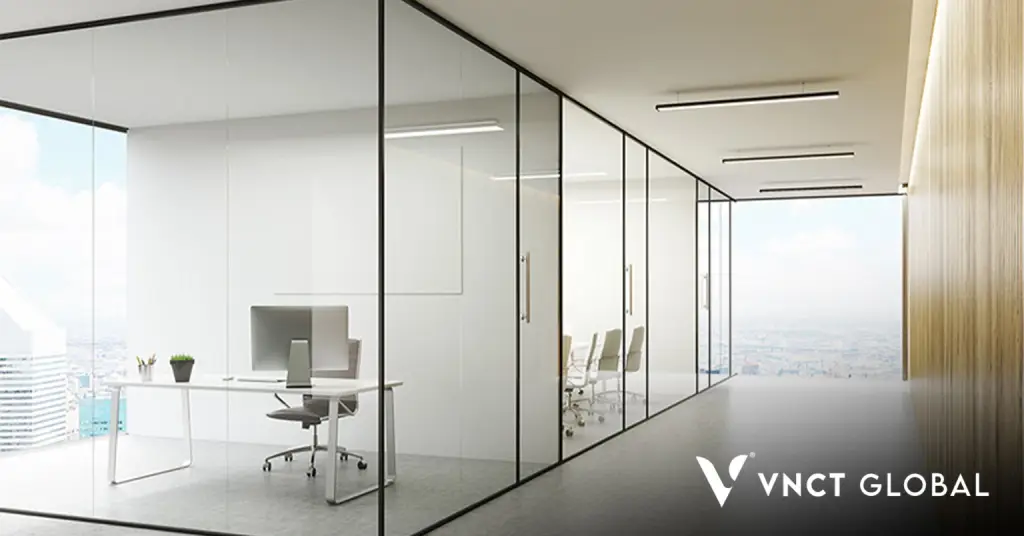
Toughened glass, also called tempered glass, is manufactured through a controlled heating and cooling process that increases its strength compared with ordinary annealed glass.
One important difference becomes apparent when it breaks. Instead of forming large, sharp fragments, fully toughened glass generally breaks into smaller granular pieces. This reduces certain injury risks, although it does not make the glass completely risk-free.
Toughened glass is commonly considered for sliding windows, balcony-facing doors, large glazed openings and other areas where safety and impact resistance matter.
For villas with large windows overlooking landscaped gardens, the choice of toughened glass can provide a practical balance between visibility and safety. The required thickness should be determined according to the panel dimensions, wind load, support system and installation conditions.
3. Laminated Glass
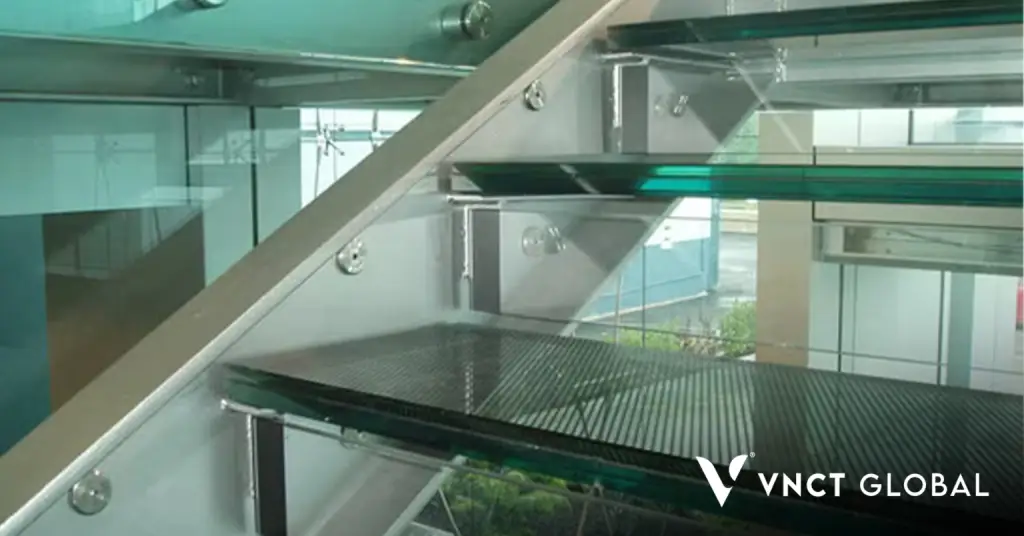
Laminated glass consists of two or more glass sheets bonded together using a transparent interlayer, commonly made from polyvinyl butyral (PVB). When the glass breaks, the interlayer helps hold the fragments together rather than allowing them to fall away immediately.
This makes laminated glass particularly useful in locations where retaining broken glass is important.
For independent villas, it can be considered for large windows, selected entrance glazing and locations where additional protection against falling glass is desirable.
Another reason homeowners consider laminated glass is noise control. The interlayer can help reduce certain external sounds, although the actual acoustic performance depends on the glass thickness, interlayer specification, frame and complete window assembly.
If a property is located near a busy road or commercial area, ask the builder about the acoustic performance of the proposed glazing rather than relying on the glass type alone.
4. Double-Glazed Glass
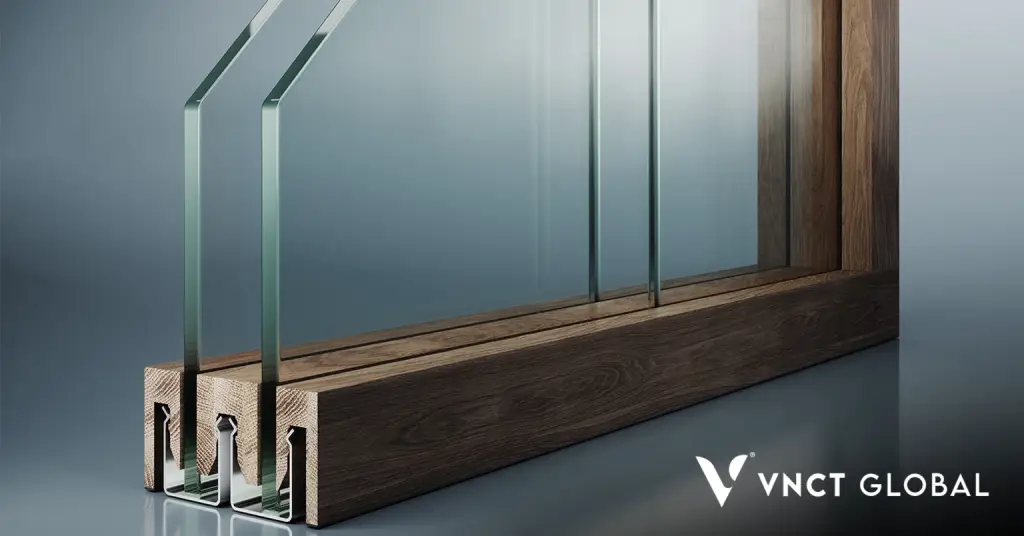
Double-glazed glass uses two separate glass panes with a sealed gap between them. This gap may contain air or an insulating gas, depending on the product specification.
Unlike a single-glazed window, a double-glazed unit creates an additional barrier between the indoor and outdoor environments. It can help reduce heat transfer and improve sound insulation when the complete window system is properly designed.
For homes in hot regions such as Chennai, where air conditioning may be used regularly, double glazing can be worth considering for windows exposed to strong sunlight.
It is also useful for properties near highways, busy streets and other noisy surroundings.
However, double glazing generally involves a higher initial investment. Its performance depends on the glass combination, gap width, spacer, sealing quality and frame. Homeowners should compare the actual thermal and acoustic specifications before making a decision.
5. Tinted Glass

Tinted glass contains a colour within the glass itself or uses a suitable treatment to reduce the amount of visible light entering a room. Common shades include grey, bronze, green and blue.
Its main purpose in residential buildings is to manage brightness and glare. It can be particularly useful for windows receiving strong afternoon sunlight.
For example, a west-facing bedroom in Chennai may receive considerable afternoon heat. Choosing appropriately specified solar-control glazing can help improve indoor comfort.
One point to remember is that darker glass is not necessarily better. Very dark glazing can reduce natural daylight and make interiors feel less bright. Select the glass according to its visible light transmission and solar heat gain characteristics rather than appearance alone.
6. Frosted Glass
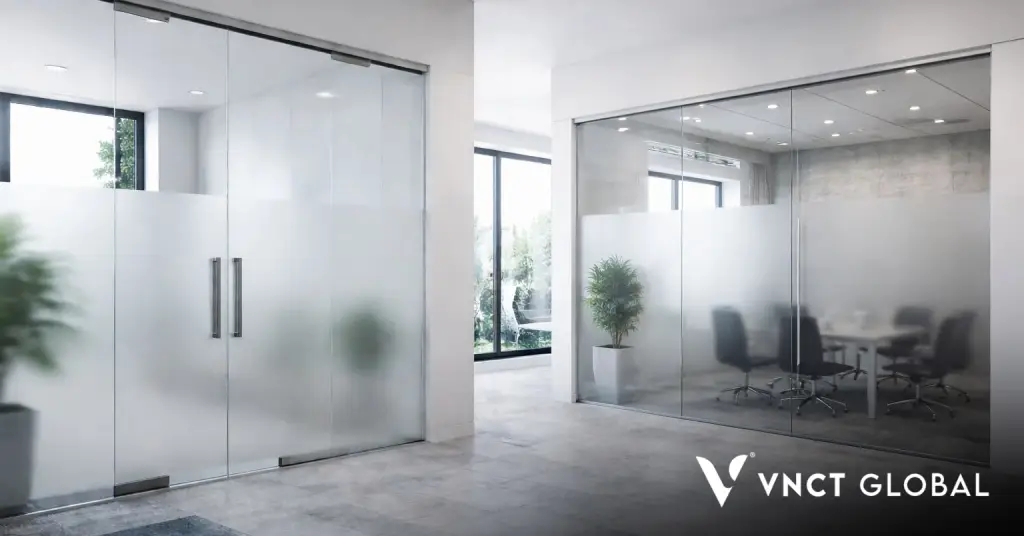
Frosted glass has a translucent surface that allows light to enter while making objects and people behind it less visible.
It is a popular option for bathroom windows, attached toilets, dressing areas and selected internal partitions.
For independent homes located close to neighbouring properties, frosted glass can also help maintain privacy without completely blocking daylight.
It is available in different finishes, including acid-etched, sandblasted and patterned varieties.
When choosing frosted glass, consider the cleaning requirements and whether the privacy level is sufficient for the intended location.
7. Reflective Glass

Reflective glass has a specially treated surface that reflects a portion of incoming sunlight. It is often selected for buildings that receive strong direct sunlight or require a particular exterior appearance.
It can help manage solar heat gain and glare, depending on the coating and glass specification.
In residential villas, reflective glazing may be considered for large exterior windows exposed to intense sunlight.
However, its appearance and performance should be evaluated carefully. Reflective glass can reduce daylight transmission, and its mirror-like appearance may change depending on outdoor and indoor lighting conditions. It should not be treated as a complete privacy solution, particularly at night when indoor lighting is switched on.
8. Low-E Glass

Low-E stands for low emissivity. This glass uses a thin, specialised coating designed to control heat transfer while allowing natural light to enter.
It is commonly considered in energy-conscious residential construction because it can help improve the thermal performance of windows.
For Indian homes that use air conditioning frequently, Low-E glass may help reduce unwanted heat transfer. The actual benefit depends on the coating type, climate, window orientation and overall building design.
It is particularly worth evaluating for large glazed areas where ordinary clear glass may allow excessive solar heat into the interiors.
9. Solar Control Glass

Solar control glass is designed to manage the amount of solar energy entering a building. Depending on the product, it can reduce solar heat gain while maintaining a useful level of natural daylight.
This makes it relevant for Indian homes exposed to strong sunlight for several hours each day.
For instance, a villa with large windows facing the afternoon sun may benefit from a suitable solar-control glass specification. It can help reduce the cooling demand placed on air-conditioning systems.
Solar control glass is available in different performance levels. Compare the solar heat gain coefficient (SHGC) and visible light transmission (VLT) before selecting a product.
Comparison of Different Window Glass Types
The following comparison helps homeowners understand which glass may suit different areas of a house.
| Glass type | Main purpose | Common residential application |
| Clear float | Natural visibility | Living rooms |
| Toughened | Improved impact resistance | Large windows and doors |
| Laminated | Glass retention after breakage | Selected exterior windows |
| Double-glazed | Thermal and acoustic insulation | Bedrooms and exterior windows |
| Tinted | Glare and light control | Sun-facing windows |
| Frosted | Privacy with daylight | Bathrooms |
| Reflective | Solar control and appearance | Exterior glazing |
| Low-E | Reduced heat transfer | Energy-conscious homes |
| Solar control | Managing solar heat gain | Large exposed windows |
How to Choose the Right Window Glass for Your Home in India
Knowing the different glass types is only the first step. The right selection depends on the location, design and everyday requirements of the property.
Consider the direction of the windows. East-facing windows receive morning sunlight, while west-facing windows generally experience stronger afternoon exposure. South-facing and north-facing windows also have different daylight and solar conditions depending on the location and building orientation.
Think about the surrounding environment. A villa near a main road may require better acoustic insulation than a property located in a quiet residential neighbourhood. Similarly, homes with closely spaced neighbouring buildings may need additional privacy.
Check the size of the glass panels. Larger glass panels require careful consideration of thickness, support, wind pressure and safety requirements. The installer should calculate the appropriate specification rather than selecting glass based only on appearance.
Pay attention to the window frame. Even good-quality glass may not deliver the expected results if the frame, seals and installation are poor. uPVC, aluminium and other window systems should be evaluated as complete assemblies.
Consider maintenance. Windows exposed to coastal air, dust and heavy rainfall need suitable materials and regular cleaning. In coastal locations around Chennai and the ECR, hardware quality and resistance to corrosion are also important.
What NRI Buyers Should Know About Window Glass Before Buying a Villa in India
For an NRI, purchasing a residential property in India involves more than selecting an attractive location. Since the buyer may be living in another country, it can be difficult to personally inspect every construction detail.
Window glass is one of the specifications worth checking before finalising a purchase.
For example, an Indian villa may have attractive floor-to-ceiling windows, but the buyer should still understand the glass thickness, safety classification, solar-control performance and installation quality.
Someone living in Dubai may have different expectations regarding heat insulation compared with someone purchasing a property in the UK. Similarly, an NRI living in the USA may place greater importance on acoustic insulation, depending on their previous residential experience.
Before purchasing, request the following information from the developer:
- Glass type and thickness used in exterior windows.
- Whether the glass is toughened, laminated or standard float glass.
- Details of double glazing or solar-control coatings, if provided.
- Window frame material and hardware specifications.
- Installation and sealing details.
- Product warranty and maintenance information.
These details help buyers understand what they are actually purchasing instead of making a decision based entirely on the property’s appearance.
How VNCT Global Supports NRIs Purchasing Villas in India
Buying a villa in India while living overseas can raise several practical questions. Buyers may want to understand the construction quality, review legal documents, inspect the property and communicate with the developer without travelling to India for every discussion.
VNCT Global works with NRI buyers interested in independent villas and residential properties in Tamil Nadu. The focus is on helping overseas customers understand the project, property specifications and purchasing process before making a decision.
Here are some ways VNCT Global supports NRI property buyers.
Virtual Property Visits and Project Walkthroughs
Travelling to India just to visit multiple properties may not always be convenient. Virtual property visits and project walkthroughs help overseas buyers understand the layout, room dimensions, surroundings and available amenities before planning an in-person visit.
For example, an NRI interested in villas in Chennai can enquire about available projects, request relevant property information and discuss their requirements remotely.
Understanding Construction and Property Specifications
Property specifications should be clear before a purchase decision. Buyers can enquire about construction details, window and door materials, flooring, electrical fittings, plumbing and other important components.
If you are comparing two villas, ask for the specifications of both properties rather than relying only on photographs or promotional brochures.
Assistance with Property Documentation
Documentation is an important part of purchasing property in India, especially for NRIs who may not be physically present throughout the process.
VNCT Global assists NRI buyers with information and guidance relating to property documentation and the purchasing process. Buyers should also obtain independent legal verification from a qualified property lawyer before completing a transaction.
Investment Guidance and Communication
NRIs often evaluate properties based on location, connectivity, future development and long-term ownership requirements.
Having a team to discuss these factors can make the process easier. Whether someone is exploring a second home, a property for family members or a long-term investment, understanding the project details helps them make a considered decision.
VNCT Global also connects with overseas audiences through events in Dubai and other international markets, helping prospective buyers learn about its residential developments.
For property enquiries, project information or assistance with purchasing a villa, contact us VNCT Global to discuss your requirements.
VNCT Global Villa Projects in Tamil Nadu
When comparing residential developments, it is useful to consider the location, property layout, construction specifications and accessibility.
VNCT Global offers independent villa developments across different locations in Tamil Nadu. Some of the projects that prospective buyers can explore include:
- Brookside Residences: An option for buyers exploring residential villas in Pammal.
- Palm Shore: A villa development in the ECR region of Chennai.
- Palm Beach: Another project to explore when comparing villa options in Chennai.
- Creek Residences: A development to consider when reviewing the available VNCT Global portfolio.
- Park Villas: An option for buyers researching independent villa developments.
- Ocean Drive Villas: A project from the VNCT Global portfolio.
Buyers comparing villas in Chennai, villas in Madurai and villas in Coimbatore should evaluate each property’s location and specifications individually.
The best villa projects in Chennai may appeal to buyers looking for residential properties around the city’s established and developing corridors. Similarly, those researching the best villa projects in Coimbatore or the best villa projects in Madurai should compare connectivity, local infrastructure and long-term residential requirements.
When researching the best villa developers in India, it is important to look beyond marketing claims. Construction quality, project documentation, delivery track record and customer support are more meaningful factors when evaluating a developer.
The same applies when comparing the largest villa developers in India. A company’s size alone does not establish the quality of an individual project. Buyers should review the actual property, specifications and legal documents before making a commitment.
For NRIs, the ability to communicate with the developer, arrange virtual visits and obtain clear project information can make the purchasing experience more manageable.
Common Mistakes to Avoid When Selecting Window Glass
Even carefully designed homes can face practical problems when the wrong glass is selected. A few common mistakes are worth avoiding.
Choosing glass based only on appearance: A dark reflective finish may look attractive, but it may not provide the desired daylight or thermal performance.
Ignoring safety requirements: Standard float glass should not automatically be used in locations where safety glazing is required. Check the applicable building requirements and relevant Indian Standards.
Assuming thicker glass always performs better: Thickness alone does not determine the complete performance of a window. Glass composition, dimensions, support and installation all matter.
Overlooking window sealing: Poor sealing can allow water leakage, dust and outside noise to enter the house, even when premium glass is installed.
Not checking the warranty: Ask whether the warranty covers the glass, frame, hardware, installation or only specific components.
A little attention to these details during construction can help prevent avoidable repair and replacement expenses later.
Conclusion
Selecting the right window glass is an important decision when planning a home in India. Clear float, toughened, laminated, tinted, frosted, double-glazed and Low-E glass each serve different purposes. The right option depends on sunlight exposure, privacy, safety, noise levels and the overall design of the house.
For NRI buyers, understanding these specifications before purchasing a villa is equally important. A property should not be evaluated only by its photographs, location or architectural appearance. Its construction materials, window systems and other specifications deserve attention as well.
If you are exploring independent villas in Tamil Nadu, VNCT Global can help you understand its residential projects and discuss the requirements of purchasing a property while living overseas.
FAQs for Types of Window Glass for Home in India
Which type of glass is best for home windows in India?
Toughened glass, laminated glass and double-glazed glass are commonly considered for residential windows. The right choice depends on safety requirements, sunlight exposure, noise levels and budget. A combination of different glass types may be suitable for different rooms.
Is toughened glass better than normal glass for windows?
Toughened glass offers greater impact resistance than ordinary annealed glass and generally breaks into smaller granular pieces. It is often preferred for large windows and other locations where safety is important.
Is double-glazed glass suitable for homes in Chennai?
Yes. Double-glazed glass can help reduce heat transfer and outside noise. It may be useful in Chennai homes that experience strong sunlight or are located near busy roads. Its effectiveness depends on the complete glazing and window system.
Which glass is best for bathroom windows?
Frosted or other translucent privacy glass is commonly suitable for bathroom windows. It allows natural light to enter while reducing visibility from outside. The glass should also meet the applicable safety requirements for its location.
Does tinted glass reduce heat inside a house?
Tinted glass can reduce glare and, depending on its solar properties, some solar heat gain. However, the performance varies according to the glass specification. Check the SHGC and VLT values before selecting it.
Is laminated glass suitable for independent villas?
Yes. Laminated glass can be considered for selected exterior windows, large glazed openings and other areas where retaining broken glass is important. Its acoustic performance also makes it worth considering in noisy locations.
What should NRIs check before purchasing a villa in India?
NRIs should review the property’s legal documents, construction specifications, location, connectivity, payment terms and maintenance requirements. They should also ask about window glass, frames, electrical fittings and plumbing before finalising their purchase.
Can NRIs visit VNCT Global villa projects without travelling to India?
NRIs can enquire about virtual property visits and project walkthroughs to understand available developments remotely. They can also discuss project specifications and purchasing requirements with the VNCT Global team.
How can I compare different villa developers in India?
Compare developers based on completed projects, construction quality, legal documentation, transparency, customer feedback and after-sales support. Do not rely only on promotional claims or the number of projects advertised.
How can I enquire about VNCT Global villa projects?
You can contact VNCT Global through its official website, www.vnctglobal.com, to enquire about its residential developments, arrange project discussions and understand the purchasing process.