AI Overview
Paint Chalking is a common paint failure that occurs when the surface of painted walls develops a fine powdery residue. This happens when paint binders break down due to prolonged exposure to sunlight, moisture, weather conditions, poor-quality paint, or improper application techniques. While mild chalking can be cleaned and repainted, severe chalking often requires thorough surface preparation before applying a fresh coat of high-quality paint. Understanding the causes and solutions helps homeowners protect their property’s appearance and value for years to come.
Introduction
Paint Chalking is one of the most common paint-related issues affecting residential and commercial buildings. It occurs when the paint film gradually deteriorates and leaves behind a powder-like residue on the surface. Although it may initially appear to be a minor cosmetic issue, prolonged paint chalking can reduce the protective qualities of exterior coatings, expose surfaces to environmental damage, and negatively impact the overall appearance of a property.
Whether you own an apartment, an independent home, or luxury villas in chennai, villas in madurai, and villas in coimbatore, understanding paint chalking is essential for maintaining your property’s aesthetic appeal and structural integrity. Modern homebuyers increasingly evaluate finishing quality when choosing projects from the best villa devlopers in india, making paint performance an important aspect of long-term property maintenance.
What Is Paint Chalking?
Paint chalking refers to the gradual breakdown of paint binders due to environmental exposure. As the binder deteriorates, pigment particles become loose and form a powdery layer on the painted surface.
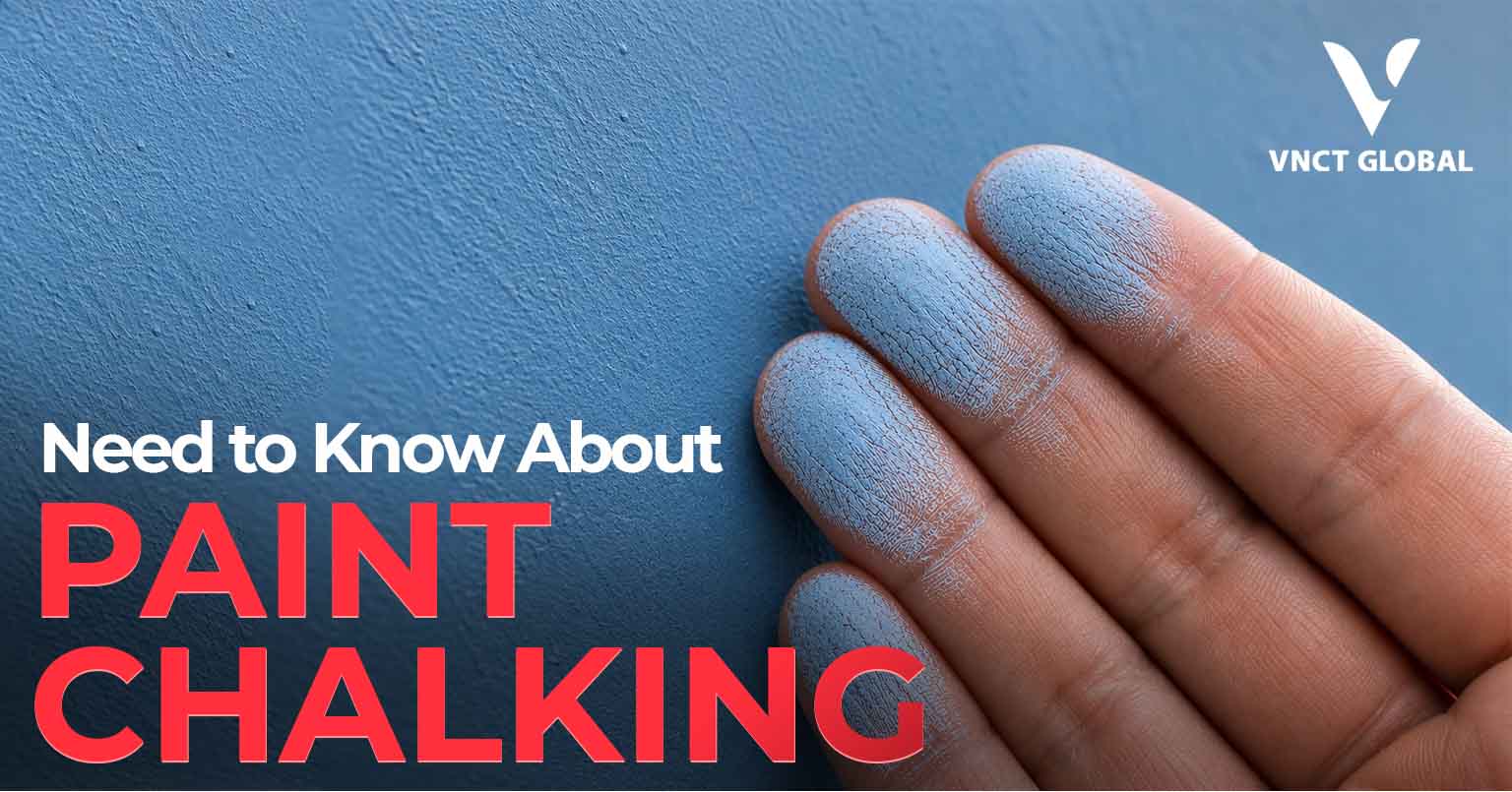
When you run your hand across a chalked wall, you may notice a white or colored powder transferring onto your fingers. This powder is often a sign that the paint coating has begun to degrade.
Characteristics of Paint Chalking
Common signs include:
- Powdery residue on walls
- Faded paint appearance
- Uneven surface color
- Reduced paint protection
- Increased surface roughness
- Loss of paint sheen
Paint chalking is particularly common on exterior walls that receive direct sunlight and face harsh weather conditions throughout the year.
Why Paint Chalking Occurs
Paint coatings are constantly exposed to environmental stressors.
Over time, these factors weaken the paint film and accelerate chalking.
Major Causes Include:
- UV radiation
- Moisture exposure
- Rain and humidity
- Poor-quality paint
- Incorrect paint application
- Lack of primer
- Environmental pollution
- Aging paint systems
Understanding these causes is the first step toward effective prevention.
The Science Behind Paint Chalking
Paint consists of several key components:
Pigments
Provide color and opacity.
Binders
Hold pigment particles together and help paint adhere to surfaces.
Solvents
Assist with paint application.
Additives
Enhance performance characteristics.
When paint is exposed to prolonged UV radiation and weather conditions, the binder gradually breaks down. Once the binder deteriorates, pigment particles lose cohesion and become a powdery residue.
This process is known as chalking.
Common Causes of Paint Chalking
Prolonged Sunlight Exposure
Ultraviolet rays are one of the biggest contributors to paint deterioration.
Continuous exposure to sunlight weakens paint binders, causing them to lose effectiveness over time.
Areas Most Affected
- Exterior walls
- Terrace parapets
- Balcony walls
- Boundary walls
Properties located in regions with intense sunlight often experience faster paint degradation.
Poor Quality Paint Products
One of the most common reasons for premature chalking is the use of low-quality paint.
Inferior products often contain:
- Weak binders
- Lower-quality pigments
- Reduced weather resistance
While cheaper paints may reduce initial costs, they often require earlier maintenance and repainting.
This is why quality-conscious builders and the largest villa devlopers in india prioritize premium paint systems during project execution.
Improper Surface Preparation
Even high-quality paint can fail if applied to an inadequately prepared surface.
Common Preparation Mistakes
- Dirty walls
- Dust accumulation
- Moisture presence
- Existing paint defects
- Lack of primer
Proper preparation creates a strong foundation for long-lasting paint performance.
Excessive Moisture Exposure
Moisture is another major contributor to paint chalking.
Sources may include:
- Rainwater infiltration
- Wall seepage
- Condensation
- High humidity
Moisture weakens paint films and accelerates binder breakdown.
Aging Paint Systems
All paint coatings eventually deteriorate.
As paint ages, natural weathering gradually reduces its protective capabilities.
Older buildings commonly experience:
- Chalking
- Fading
- Peeling
- Cracking
Routine maintenance helps extend paint life and reduce long-term repair costs.
Signs That Your Walls Are Experiencing Paint Chalking
Recognizing paint chalking early allows homeowners to take corrective action before extensive deterioration occurs.
White Powder on Hands
One of the easiest ways to identify chalking is by rubbing the wall surface.
If powder transfers to your hand, chalking may be present.
Faded Appearance
Paint colors often become dull and washed out.
Uneven Color Distribution
Pigment loss creates inconsistent color patterns.
Reduced Gloss
Glossy finishes gradually become flat and dull.
Surface Roughness
Walls may feel powdery or rough to the touch.
Why Paint Chalking Should Not Be Ignored
Many homeowners consider chalking a cosmetic issue.
However, severe chalking can lead to additional problems.
Reduced Weather Protection
Paint acts as a protective barrier.
When the coating deteriorates, underlying surfaces become vulnerable.
Increased Maintenance Costs
Delaying repairs often results in more extensive restoration work.
Lower Property Appeal
Exterior appearance significantly influences property value.
This is especially important for premium communities developed by the best villa devlopers in india, where visual quality contributes to overall market perception.
Potential Moisture Damage
Damaged paint systems may allow increased moisture penetration.
Types of Paint Most Vulnerable to Chalking
Certain paint formulations are more susceptible than others.
Oil-Based Paints
Older oil-based coatings frequently exhibit chalking over time.
Low-Quality Exterior Paints
Paints lacking UV-resistant additives may degrade rapidly.
Poorly Formulated Paint Products
Products with insufficient binder content often experience premature chalking.
How Climate Influences Paint Chalking
Climate plays a major role in paint durability.
High UV Regions
Strong sunlight accelerates paint deterioration.
Coastal Areas
Salt exposure can affect paint performance.
High Humidity Zones
Moisture contributes to faster degradation.
Industrial Areas
Airborne pollutants can interact with paint surfaces and increase wear.
This is particularly relevant for homeowners considering villas in chennai, villas in madurai, and villas in coimbatore, where environmental conditions vary significantly.
The Importance of Quality Finishing in Modern Residential Projects
Today’s homebuyers pay close attention to finishing standards.
Paint quality contributes to:
- Visual appeal
- Durability
- Maintenance requirements
- Property value
Developers recognized among the largest villa devlopers in india often invest in superior paint systems because they understand the long-term impact on homeowner satisfaction.
How to Test for Paint Chalking
Before starting any repair work, it is important to determine whether the wall is actually experiencing chalking or another paint-related issue such as fading, peeling, or efflorescence.
The Hand Rub Test
This is the simplest and most widely used method.
Steps:
- Select an exterior wall exposed to sunlight.
- Rub your hand firmly across the painted surface.
- Examine your palm.
If a fine powder remains on your hand, paint chalking is likely present.
The Dark Cloth Test
A black cloth can make chalking easier to identify.
Steps:
- Wipe the painted surface with a dark-colored cloth.
- Observe any white or colored powder deposits.
This method is particularly useful when evaluating lighter paint shades.
Professional Inspection
For severe cases, painting professionals can assess:
- Extent of deterioration
- Underlying substrate condition
- Moisture issues
- Repainting requirements
Early identification prevents larger maintenance expenses later.
Different Levels of Paint Chalking
Not all chalking occurs at the same intensity.
Understanding the severity helps determine the appropriate solution.
Mild Chalking
Characteristics:
- Light powder residue
- Minor color fading
- Surface remains intact
Recommended Solution
- Surface cleaning
- Application of quality exterior paint
Moderate Chalking
Characteristics:
- Noticeable powder accumulation
- Significant fading
- Reduced paint adhesion
Recommended Solution
- Thorough cleaning
- Surface preparation
- Primer application
- Repainting
Severe Chalking
Characteristics:
- Heavy powder deposits
- Extensive paint deterioration
- Potential substrate exposure
Recommended Solution
- Removal of unstable paint
- Surface repair
- Professional repainting system
Ignoring severe chalking can shorten the lifespan of the entire paint system.
Step-by-Step Process to Fix Paint Chalking
Proper repairs involve more than simply applying a new coat of paint.
Step 1: Evaluate the Surface
Inspect:
- Chalking severity
- Cracks
- Moisture damage
- Paint adhesion
This assessment helps determine the scope of work.
Step 2: Remove Loose Residue
All chalky material must be removed before repainting.
Methods include:
- Pressure washing
- Soft brushing
- Water cleaning
- Surface scrubbing
Failure to remove chalk residue can result in poor paint adhesion.
Step 3: Allow Complete Drying
Walls must be completely dry before proceeding.
Residual moisture can compromise paint performance.
Step 4: Repair Surface Defects
Address:
- Cracks
- Holes
- Surface irregularities
Repairs create a smooth and stable substrate.
Step 5: Apply Primer
A high-quality primer improves adhesion and creates a uniform base.
Step 6: Repaint Using Premium Paint
Select products designed for:
- UV resistance
- Moisture resistance
- Long-term durability
Following these steps significantly improves paint longevity.
Choosing the Right Paint to Prevent Future Chalking
Paint quality directly influences long-term performance.
Acrylic Exterior Paints
Advantages:
- Excellent UV resistance
- Strong durability
- Better color retention
Elastomeric Coatings
Suitable for:
- Exterior walls
- Weather-prone surfaces
Benefits:
- Crack bridging
- Moisture protection
Weather-Resistant Paint Systems
These products are specifically formulated to withstand environmental stress.
Quality paint often reduces maintenance costs over the life of the property.
Exterior Wall Maintenance Tips
Preventive maintenance helps homeowners maximize paint lifespan.
Annual Inspections
Inspect walls for:
- Chalking
- Cracks
- Peeling
- Moisture signs
Regular Cleaning
Removing dirt and pollutants helps maintain paint integrity.
Prompt Repairs
Address small issues before they become major problems.
Drainage Maintenance
Ensure water does not accumulate near walls.
These simple practices can add years to a paint system’s lifespan.
The Importance of Primer in Preventing Chalking
Many homeowners underestimate the importance of primer.
Primer serves several critical functions:
Improved Adhesion
Creates a strong bond between the surface and paint.
Uniform Absorption
Prevents uneven paint performance.
Enhanced Durability
Supports long-term coating stability.
Moisture Resistance
Provides additional protection against environmental exposure.
Professional painters rarely skip the priming stage.
Paint Chalking and Property Value
Exterior appearance influences first impressions.
Properties with visible paint deterioration may appear neglected, even if the structure remains sound.
Impact on Buyers
Potential buyers often evaluate:
- Exterior condition
- Maintenance history
- Finishing quality
Well-maintained homes generally command stronger market interest.
This is one reason why projects from the best villa devlopers in india place significant emphasis on durable finishing systems.
Why Premium Residential Communities Focus on Paint Quality
Modern residential communities increasingly prioritize long-lasting finishes.
Quality paint systems provide:
- Better aesthetics
- Reduced maintenance
- Improved durability
- Enhanced homeowner satisfaction
Developments featuring Brookside residences, Palm shore, Palm Beach, Creek residences, Park villas, and Ocean drive villas recognize that finishing quality contributes to the overall living experience.
High-performance paint systems help maintain visual appeal for years after project completion
How Quality Construction Reduces Paint Problems
Paint performance is influenced by more than just paint quality.
Construction practices also play an important role.
Key factors include:
- Proper wall curing
- Moisture control
- Surface preparation
- Waterproofing systems
- Quality workmanship
The largest villa devlopers in india often invest heavily in construction quality because it directly affects long-term maintenance requirements.
VNCT Global’s Approach to Long-Term Property Quality
At vnct global, long-term durability is an important consideration in residential development.
Modern homeowners increasingly seek:
- Quality construction
- Reliable materials
- Reduced maintenance concerns
- Long-term value
These expectations influence planning and execution throughout the development process.
Projects such as Brookside residences, Palm shore, Palm Beach, Creek residences, Park villas, and Ocean drive villas reflect the growing emphasis on quality-focused residential communities.
For buyers seeking additional information about residential opportunities and project details, they can always contact us vnct global.
NRI Homeowner Guide: Why Paint Quality Matters
For Non-Resident Indians (NRIs), maintaining property from abroad presents unique challenges.
A property may remain vacant for extended periods, making regular inspections difficult.
Common NRI Concerns
- Delayed maintenance
- Exposure to harsh weather conditions
- Difficulty coordinating repairs
- Preserving property value
Because exterior paint serves as the first line of defense against environmental exposure, maintaining paint systems becomes especially important.
Benefits of Proper Paint Maintenance
- Better property appearance
- Reduced repair expenses
- Improved resale value
- Enhanced tenant satisfaction
- Long-term asset protection
These factors are particularly relevant for NRIs investing in premium residential communities.
Why Homebuyers Research Paint Quality Before Purchasing a Property
Modern homebuyers are more informed than ever.
Beyond location and amenities, buyers often evaluate:
- Construction quality
- Paint systems
- Waterproofing
- Maintenance standards
- Developer reputation
Exterior finishes contribute significantly to first impressions and long-term satisfaction.
This trend is particularly noticeable among buyers exploring villas in chennai, villas in madurai, and villas in coimbatore, where environmental conditions can influence maintenance requirements.
The best villa devlopers in india increasingly focus on durable paint systems because they understand the importance of long-term homeowner satisfaction.
Similarly, the largest villa devlopers in india often incorporate advanced finishing materials to enhance durability and reduce maintenance concerns.
Conclusion
Paint Chalking is a common but often overlooked paint failure that can significantly affect the appearance and protection of a building. What begins as a fine powdery residue can eventually compromise the effectiveness of exterior coatings, expose surfaces to environmental damage, and increase maintenance costs if left untreated.
Fortunately, understanding the causes of paint chalking makes prevention and repair much easier. By selecting high-quality paints, ensuring proper surface preparation, using suitable primers, and maintaining waterproofing systems, homeowners can significantly extend the life of their paint finishes.
For homeowners investing in villas in chennai, villas in madurai, and villas in coimbatore, paying attention to paint quality and ongoing maintenance can help preserve both appearance and property value. This is one reason why buyers often evaluate projects developed by the best villa devlopers in india and the largest villa devlopers in india, where long-term construction quality is a key priority.
At vnct global, quality-focused development practices emphasize durability, aesthetics, and homeowner satisfaction. Communities such as Brookside residences, Palm shore, Palm Beach, Creek residences, Park villas, and Ocean drive villas reflect the growing demand for thoughtfully designed residential environments that balance beauty with long-term performance.
Whether you are a homeowner, investor, or NRI buyer, understanding paint chalking and adopting preventive maintenance practices can help protect your property, reduce future repair costs, and ensure your home continues to look its best for years to come.
FAQ for Paint Chalking
What is Paint Chalking?
Paint Chalking is the formation of a powdery residue on painted surfaces caused by the breakdown of paint binders due to weathering, UV exposure, and aging.
Is Paint Chalking harmful to a building?
While mild chalking is primarily cosmetic, severe chalking can reduce paint protection and expose surfaces to environmental damage.
What causes Paint Chalking?
Common causes include sunlight exposure, moisture, poor-quality paint, improper application, lack of primer, and natural aging.
How can I identify Paint Chalking?
Rub your hand across the painted surface. If a powdery residue transfers to your hand, chalking may be present.
Can Paint Chalking be repaired?
Yes. Proper cleaning, surface preparation, priming, and repainting can effectively restore affected surfaces.
How can I prevent Paint Chalking?
Use quality paint products, apply proper primers, maintain waterproofing systems, and conduct regular inspections.
Does climate affect Paint Chalking?
Yes. Strong sunlight, humidity, rainfall, coastal exposure, and pollution can accelerate paint deterioration.
Is professional repair necessary?
Minor chalking can often be addressed through DIY methods, while severe cases may require professional assessment and repairs.