AI Overview
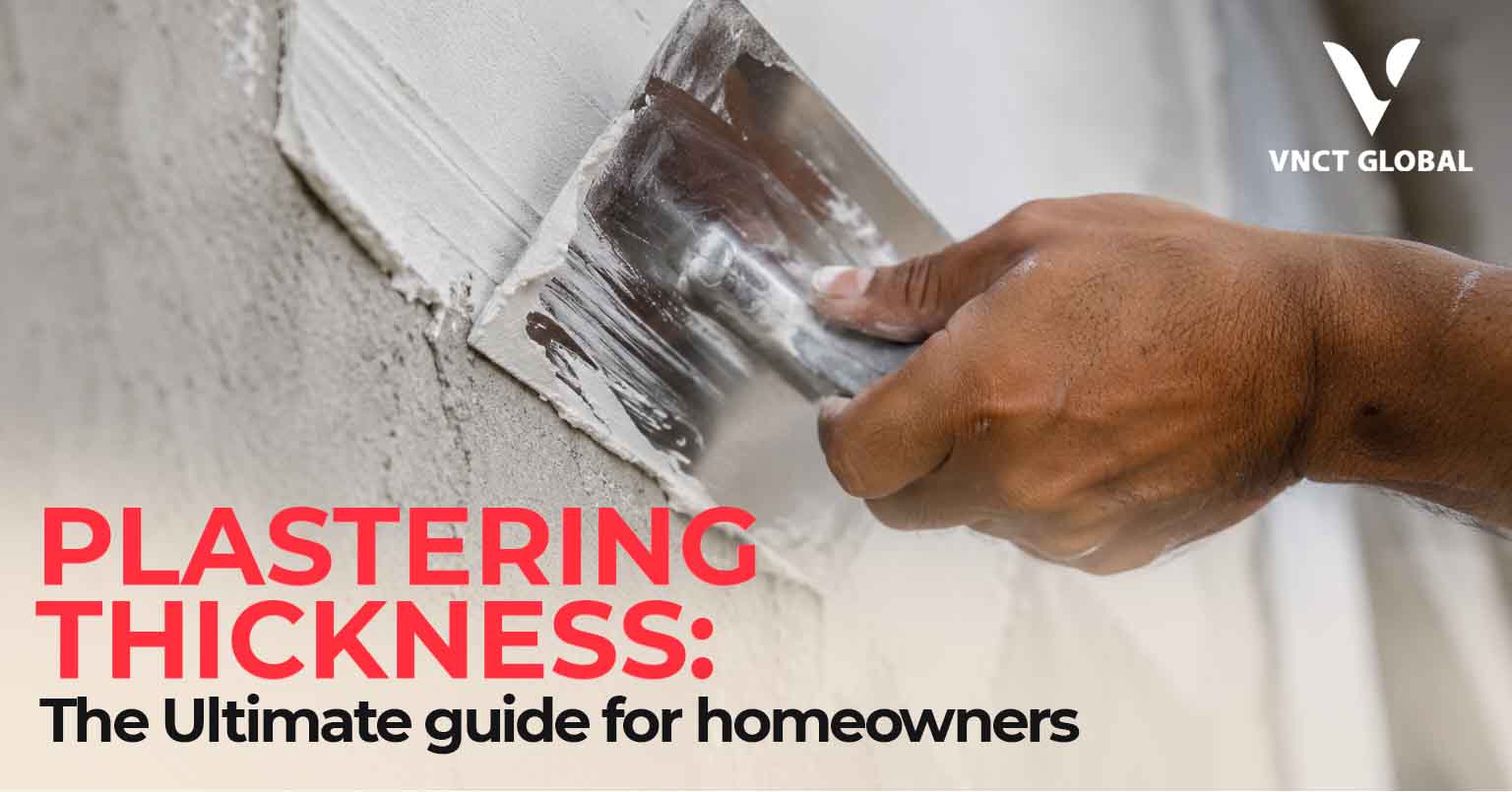
Plastering Thickness refers to the depth of plaster applied over brickwork, blockwork, or concrete surfaces to create a smooth, durable, and level finish. The ideal thickness depends on the location, wall material, and type of plaster used. In most residential buildings, interior walls typically require 12 mm plaster, ceilings around 6 mm, and exterior walls between 15 mm and 20 mm for improved weather resistance. Maintaining the correct plaster thickness helps prevent cracks, improves durability, enhances aesthetics, and ensures a longer-lasting finish.
Whether you’re building your dream home, renovating an existing property, or investing in premium villas in Chennai, understanding the right plastering thickness can save both time and maintenance costs in the long run.
Introduction
Building a home involves hundreds of decisions, but one detail that often goes unnoticed is Plastering Thickness. While it may seem like a simple finishing process, the thickness of plaster directly affects the strength, durability, appearance, and lifespan of your walls. A perfectly plastered wall not only creates a smooth surface for painting but also protects the masonry from moisture, weather damage, and everyday wear.
Many homeowners focus on flooring, paint colours, and interior design while overlooking construction quality. However, experienced engineers understand that achieving the correct plaster thickness is just as important as using quality cement and steel. Even the finest paint cannot hide poor plastering work.
For families planning to invest in premium homes, especially those looking at best villa projects in Chennai, best villa projects in Coimbatore, or best villa projects in Madurai, understanding construction standards helps ensure long-term value. Reputed companies like VNCT Global, recognized among the best villa developers in india, pay close attention to structural quality, including proper plastering specifications that contribute to durable and aesthetically pleasing homes.
Why Does Plastering Thickness Matter?
At first glance, plaster simply appears to be the final layer applied before painting. In reality, it performs several essential functions that protect your home for decades.
A properly plastered wall:
- Creates a smooth and even surface.
- Improves the appearance of interiors.
- Protects brickwork from rain and moisture.
- Reduces surface cracks.
- Increases the life of the building.
- Improves thermal insulation.
- Makes painting easier and more durable.
- Enhances resistance against environmental conditions.
If the plaster is too thin, the wall may develop cracks and expose uneven masonry. If it is too thick, it can become heavy, lose adhesion, and eventually detach from the wall.
The key is maintaining the recommended thickness based on engineering standards.
What is Plastering?
Plastering is the process of applying a mixture of cement, sand, and water over brick, concrete, or block walls to create a smooth protective layer. This layer strengthens the wall, improves aesthetics, and prepares the surface for paint or decorative finishes.
Modern construction commonly uses cement plaster because of its strength and durability, although lime plaster and gypsum plaster are also used in specific applications.
The quality of plaster depends on several factors:
- Quality of cement
- Sand grading
- Water-cement ratio
- Surface preparation
- Skilled workmanship
- Proper curing
- Correct plastering thickness
Each of these elements contributes to the overall performance of the finished wall.
What is the Standard Plastering Thickness?
The ideal plaster thickness varies depending on where it is applied.
| Area | Recommended Thickness |
| Interior Brick Walls | 12 mm |
| Exterior Brick Walls | 15–20 mm |
| RCC Concrete Walls | 6–12 mm |
| Ceilings | 6 mm |
| Rough Stone Masonry | 20 mm |
| Block Masonry | 10–12 mm |
These values are generally followed in residential and commercial construction across India.
Professional builders inspect the wall alignment before plastering to determine whether additional thickness is required for levelling. Excessive variation should ideally be corrected during masonry work rather than by applying extra plaster.
Different Types of Plaster and Their Thickness
Cement Plaster
Cement plaster is the most widely used type in residential construction.
It provides excellent durability, weather resistance, and strength, making it suitable for both interior and exterior walls.
Typical Thickness
- Interior: 12 mm
- Exterior: 15–20 mm
This type of plaster is preferred for independent houses, apartments, and luxury villas because it offers long-lasting protection against moisture and daily wear.
Gypsum Plaster
Gypsum plaster is mainly used for interior walls and ceilings.
It provides an exceptionally smooth finish, requires less curing, and speeds up project completion.
Typical Thickness
- 8–12 mm
Gypsum plaster is increasingly popular in modern homes where faster construction timelines are important.
Lime Plaster
Although less common today, lime plaster is still used in restoration projects and heritage buildings.
Its flexibility helps reduce shrinkage cracks and allows walls to breathe naturally.
Typical Thickness
- 10–15 mm
Sand Faced Plaster
Sand-faced plaster is commonly applied to exterior walls to create a textured decorative finish.
Besides improving aesthetics, it also offers better weather protection.
Typical Thickness
- Base coat: 12 mm
- Top coat: 8 mm
Total thickness generally ranges between 20 mm and 22 mm.
Recommended Plaster Thickness for Different Surfaces
Interior Walls
Interior walls generally require 12 mm cement plaster.
This thickness provides:
- Better paint finish
- Strong adhesion
- Smooth appearance
- Reduced cracking
- Easy maintenance
A thinner coat may reveal brick joints, while an unnecessarily thick coat increases material consumption without offering additional benefits.
Exterior Walls
Exterior walls are constantly exposed to sunlight, rain, humidity, and temperature changes.
For this reason, engineers recommend 15 mm to 20 mm plaster.
This additional thickness improves:
- Weather resistance
- Waterproofing
- Crack resistance
- Surface durability
- Structural protection
In coastal cities where humidity is higher, proper exterior plastering becomes even more important for maintaining the building’s condition over time.
RCC Concrete Surfaces
Concrete surfaces generally require thinner plaster because they are already relatively even.
Recommended thickness:
- 6 mm to 10 mm
Before plastering, bonding agents or hacking are often used to improve adhesion.
Ceiling Plaster
Ceilings require lighter plaster compared to walls.
Recommended thickness:
- 6 mm
Applying thicker plaster on ceilings increases weight unnecessarily and may cause plaster to detach over time if not properly bonded.
What Happens When Plaster is Too Thin?
Using insufficient plaster thickness creates several long-term problems.
Some common issues include:
Visible Brick Lines
The masonry pattern may become visible after painting, reducing the overall appearance.
Surface Cracks
Thin plaster cannot effectively absorb minor movements within the structure.
Moisture Penetration
Rainwater can seep into the masonry more easily, leading to damp patches.
Poor Paint Finish
Paint tends to highlight uneven surfaces instead of hiding imperfections.
Reduced Durability
The protective layer becomes weak and wears out more quickly over time.
What Happens When Plaster is Too Thick?
Many homeowners assume thicker plaster means stronger walls. In reality, excessive thickness often creates more problems than benefits.
Common issues include:
- Increased dead load on the wall
- Higher material costs
- Longer curing time
- Greater shrinkage cracks
- Reduced bonding strength
- Chances of plaster falling off
- Uneven drying
- Hollow sounds during inspection
Professional contractors avoid unnecessary thickness by ensuring proper masonry alignment before plastering begins.
Factors That Determine the Right Plastering Thickness
No two construction projects are exactly the same. Engineers consider several factors before deciding the appropriate plaster thickness.
Wall Alignment
Walls that are perfectly aligned require less plaster.
Type of Masonry
Brick walls, AAC blocks, fly ash bricks, and concrete blocks each require slightly different plaster specifications.
Surface Roughness
Highly uneven walls may require additional levelling coats.
Weather Conditions
Buildings in regions with heavy rainfall often require thicker exterior plaster for better protection.
Construction Standards
Premium residential projects maintain strict quality control to ensure uniform plaster thickness throughout the building.
This attention to detail is one of the reasons why reputed companies such as VNCT Global, known among the largest villa developers in india, follow systematic quality checks at every stage of construction. From foundation work to finishing, every layer contributes to creating homes that remain durable for generations.
Why Construction Quality Matters More Than Decoration
Beautiful interiors can always be upgraded, but structural quality is much harder to improve once construction is complete. Features such as proper plastering, quality concrete, and accurate workmanship form the foundation of a long-lasting home.
Whether you’re planning to build your own house or invest in premium villas in Chennai, villas in Coimbatore, or villas in Madurai, understanding these construction basics allows you to evaluate the quality of a property beyond its visual appeal.
Modern residential communities like Brookside Residences, Palm Shore, Palm Beach, Creek Residences, Park Villas, and Ocean Drive Villas showcase how attention to engineering standards and finishing details can significantly enhance the durability, comfort, and value of a home.
How Proper Plastering Thickness Improves the Life of Your Home
A home is one of the biggest investments most families make. While premium flooring, modular kitchens, and stylish interiors attract immediate attention, the true quality of a home lies beneath the surface. Proper Plastering Thickness is one of those hidden construction elements that significantly affects the durability, appearance, and maintenance of a building.
When plaster is applied according to engineering standards, it forms a protective shield around the masonry. It minimizes moisture penetration, withstands daily wear and tear, and provides a stable base for paint and decorative finishes. Over the years, this reduces repair costs and helps maintain the property’s value.
Single Coat vs Double Coat Plaster
One common question homeowners ask is whether a single coat of plaster is sufficient or if a double coat is necessary.
The answer depends on the type of wall, the desired finish, and the construction quality.
Single Coat Plaster
Single coat plaster involves applying one layer of cement mortar directly onto the wall.
Advantages
- Faster completion
- Lower labour cost
- Reduced material usage
- Suitable for smooth brickwork
- Ideal for many interior walls
Disadvantages
- Less suitable for highly uneven surfaces
- Minor imperfections may remain visible
- Requires skilled workmanship to achieve a smooth finish
Double Coat Plaster
Double coat plaster consists of a base coat followed by a finishing coat.
The first coat provides levelling, while the second coat creates a smooth finish.
Advantages
- Better surface quality
- Improved durability
- Greater crack resistance
- Excellent finish for premium homes
- Ideal for textured or decorative finishes
Disadvantages
- Higher construction cost
- More curing time
- Longer project duration
Many luxury residential developments adopt double-coat plaster in selected areas to achieve superior finishing quality.
Recommended Plaster Thickness for Different Building Components
Different parts of a building require different plaster thicknesses because each surface experiences varying levels of stress and environmental exposure.
| Building Component | Recommended Thickness |
| Living Room Walls | 12 mm |
| Bedrooms | 12 mm |
| Kitchen Walls | 12–15 mm |
| Bathroom Walls | 15 mm |
| Exterior Walls | 15–20 mm |
| Boundary Wall | 15–20 mm |
| Ceiling | 6 mm |
| Staircase Walls | 12–15 mm |
Bathrooms and kitchens usually require slightly thicker plaster because these areas experience frequent moisture exposure.
Interior vs Exterior Plastering Thickness
Although both use cement mortar, interior and exterior plaster serve different purposes.
Interior Plaster
Interior plaster focuses primarily on achieving a smooth finish for painting and interior decoration.
Characteristics include:
- Smooth texture
- Easy painting
- Better aesthetics
- Comfortable indoor appearance
- Moderate protection
Recommended thickness:
12 mm
Exterior Plaster
Exterior plaster acts as the building’s first layer of protection against harsh weather conditions.
It must withstand:
- Heavy rain
- UV radiation
- Humidity
- Wind
- Dust
- Temperature fluctuations
Recommended thickness:
15–20 mm
A thicker exterior coat also helps reduce water seepage and surface deterioration.
Why Uniform Plaster Thickness Is Important
Applying the correct thickness is only part of the process. Maintaining uniform Plastering Thickness across the wall is equally important.
Uneven plaster can lead to:
- Wavy walls
- Uneven paint finish
- Tile installation problems
- Poor furniture alignment
- Increased cracking
- Hollow patches
Professional engineers use screed guides and levelling tools to ensure consistency throughout the wall.
Importance of Proper Curing After Plastering
Even perfectly applied plaster can fail if curing is neglected.
Curing helps cement gain strength by retaining moisture during hydration.
Recommended curing period
- Minimum: 7 days
- Preferred: 10–14 days
Benefits of proper curing include:
- Increased strength
- Better bonding
- Reduced cracks
- Improved durability
- Longer paint life
Skipping curing is one of the biggest mistakes made during residential construction.
Why NRIs Should Understand Plastering Thickness Before Buying Property
Many Non-Resident Indians (NRIs) purchase villas or independent homes while living overseas. Since they cannot inspect the construction site regularly, understanding key quality indicators—such as Plastering Thickness—helps them make informed decisions.
Instead of evaluating a property based solely on its appearance, NRIs should ask builders about:
- Construction specifications
- Cement grade
- Wall thickness
- Waterproofing methods
- Plastering standards
- Quality control procedures
- Structural warranty
These details provide greater confidence that the property has been built to last.
Whether you are investing from the UAE, Singapore, the USA, the UK, or Australia, paying attention to construction quality today can help reduce maintenance expenses in the future.
How VNCT Global Supports NRI Homebuyers
Buying a home from another country can seem overwhelming. From selecting the right property to monitoring construction progress and completing legal documentation, NRIs often need reliable guidance throughout the process.
VNCT Global simplifies this journey by offering end-to-end support tailored to overseas buyers. Whether you’re searching for villas in Chennai, villas in Madurai, or villas in Coimbatore, the team helps make the buying experience transparent and hassle-free.
Support includes:
- Virtual property tours
- Regular construction progress updates
- Transparent project documentation
- Assistance with legal verification
- Guidance on home loans for eligible buyers
- Flexible payment options
- Dedicated customer support from enquiry to handover
For NRIs planning a future return to India or looking to invest in premium real estate, this level of assistance provides confidence and peace of mind. If you would like personalised guidance, you can always contact us VNCT Global to explore projects that match your lifestyle and investment goals.
How Plastering Thickness Impacts Property Value
Construction quality is one of the first things experienced buyers and property inspectors evaluate. Walls with cracks, uneven finishes, or damp patches can reduce buyer confidence and lead to lower property valuations.
Proper Plastering Thickness contributes to:
- Better visual appeal
- Reduced maintenance costs
- Increased structural protection
- Higher resale value
- Greater buyer confidence
- Longer-lasting paint finishes
For premium residential projects, attention to construction details can make a significant difference in overall property value.
Why Construction Quality Matters for Villa Buyers
Purchasing a villa is a long-term investment. Beyond attractive layouts and modern amenities, buyers should evaluate how the property has been built.
Projects developed by experienced builders often follow strict engineering practices, including proper plastering specifications, waterproofing systems, and quality inspections.
Whether you’re exploring best villa projects in Chennai, best villa projects in Coimbatore, or best villa projects in Madurai, always ask about the construction process—not just the finishes.
If you’re comparing options from the best villa developers in india, reviewing construction quality standards is just as important as considering the location and amenities. Reliable builders maintain transparency throughout the building process, giving homeowners confidence in their investment.
Conclusion
Although it may appear to be a simple finishing process, Plastering Thickness plays a crucial role in the strength, durability, and appearance of a home. Following the recommended thickness for interior walls, exterior walls, ceilings, and other structural components helps prevent cracks, improve moisture resistance, and create a smooth surface for painting.
For homeowners, understanding plastering standards allows better supervision during construction and helps identify quality workmanship. For property buyers, especially NRIs, it serves as an important indicator of the builder’s commitment to excellence.
When selecting a home, always look beyond the paint and décor. A well-constructed property reflects careful planning, quality materials, and skilled execution. Builders recognised among the best villa developers in india and the largest villa developers in india consistently focus on these essential construction practices, ensuring every home is built to deliver lasting comfort and value.
If you’re planning to invest in a premium villa or would like expert guidance on choosing the right property, contact us VNCT Global. Our team is committed to helping homebuyers—including NRIs—find thoughtfully designed homes built with quality, transparency, and care.