Table of Contents
AI Overview
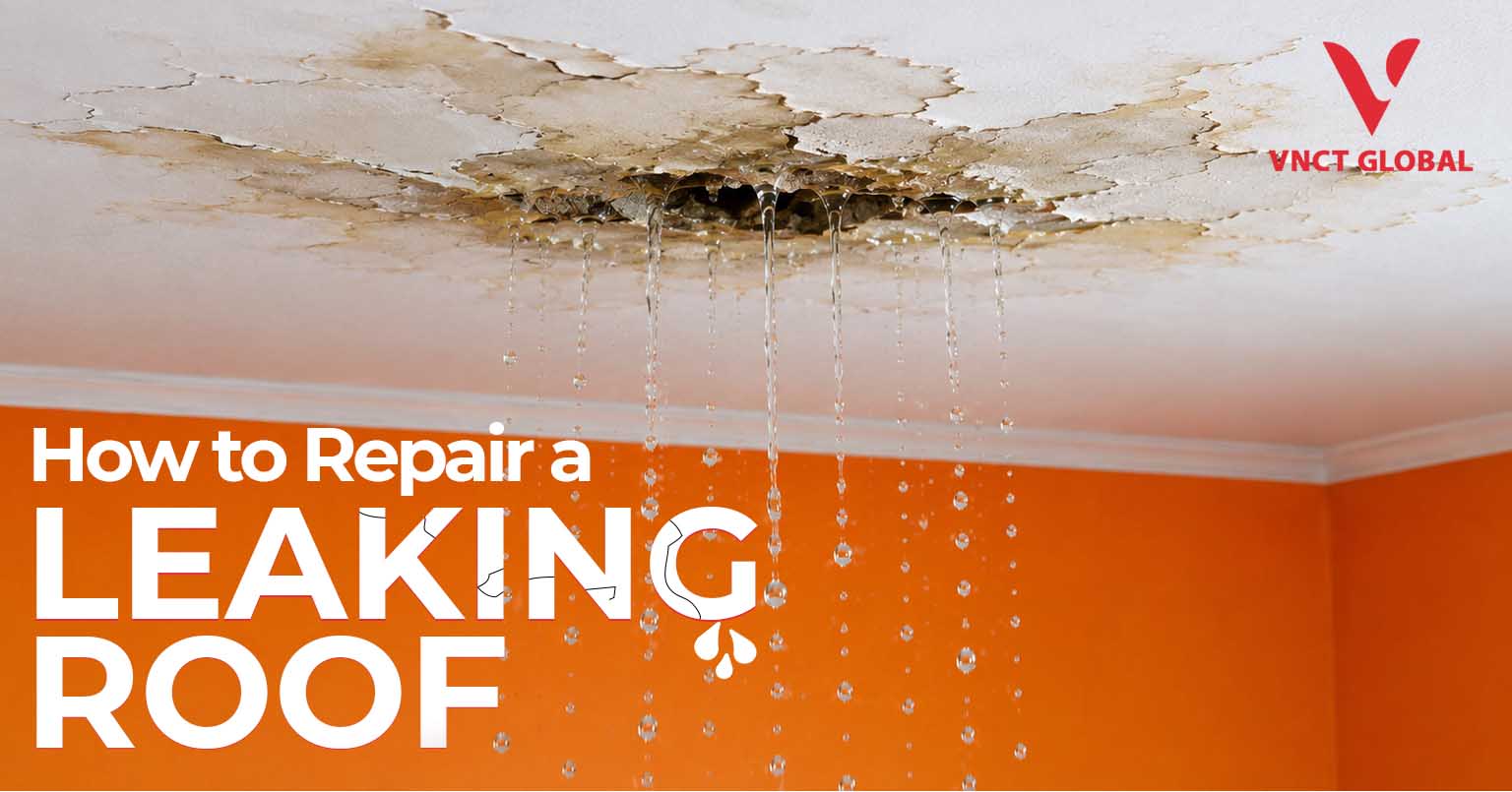
How to Repair a Leaking Roof starts with identifying the exact source of the leak, assessing the extent of the damage, and selecting the right repair method based on the roofing material. Small issues like cracked shingles, damaged flashing, or clogged gutters can often be repaired quickly, while structural damage or extensive water penetration may require professional assistance. Regular roof inspections, proper waterproofing, and timely maintenance are the best ways to prevent costly repairs and extend your roof’s lifespan.
Introduction
A roof is your home’s first line of defense against rain, sunlight, wind, and changing weather conditions. Over time, however, even the strongest roofing systems can develop issues due to aging materials, improper installation, storms, or lack of maintenance.
Many homeowners don’t notice roof leaks until water stains appear on ceilings or walls. Unfortunately, by that stage, hidden structural damage may already have begun. Knowing How to Repair a Leaking Roof helps you take quick action, minimize repair costs, and protect your home’s value.
Modern residential developments are increasingly focusing on durable roofing materials, proper waterproofing, and engineered drainage systems. This is especially true in premium communities offering villas in chennai, villas in madurai, and villas in coimbatore, where builders emphasize long-term performance alongside elegant architecture.
In this comprehensive guide, you’ll learn what causes roof leaks, how to identify them early, different repair methods, preventive maintenance practices, and when it’s time to call roofing professionals.
Why Roof Leaks Should Never Be Ignored
Many homeowners postpone roof repairs because the leak appears minor. However, water has an incredible ability to spread through insulation, timber, concrete, and wall finishes before becoming visible.
Ignoring a roof leak can result in:
- Damaged ceiling finishes
- Mold and mildew growth
- Electrical hazards
- Rotten wooden rafters
- Corroded steel reinforcement
- Higher energy bills due to wet insulation
- Interior paint damage
- Reduced property value
- Costly structural repairs
A leak that costs a few thousand rupees to repair today could become a major renovation project if neglected for several months.
Common Causes of Roof Leaks
Understanding why roofs leak is the first step in learning How to Repair a Leaking Roof effectively.
1. Damaged Roofing Shingles
Roof shingles protect the underlying waterproof membrane from weather exposure. Strong winds, UV rays, and heavy rainfall gradually weaken shingles.
Common problems include:
- Cracked shingles
- Missing shingles
- Curled edges
- Broken corners
- Granule loss
These damaged areas allow rainwater to penetrate beneath the roofing layers.
2. Cracked Roof Flashing
Flashing is the thin metal installed around:
- Chimneys
- Skylights
- Roof valleys
- Vent pipes
- Roof joints
Over time, flashing may crack, loosen, or corrode, creating small openings through which water enters.
Professional roof inspections often identify flashing issues before major leaks occur.
3. Clogged Gutters
Many homeowners overlook gutter maintenance.
Leaves, dirt, branches, and debris prevent rainwater from flowing freely.
When gutters overflow:
- Water backs up beneath roof coverings.
- Fascia boards begin to rot.
- Water enters ceilings and walls.
Routine gutter cleaning is one of the simplest ways to prevent roof leaks.
4. Broken Roof Tiles
Concrete and clay tiles are extremely durable but not indestructible.
Tiles may crack because of:
- Falling branches
- Walking on the roof incorrectly
- Thermal expansion
- Storm impact
Even one broken tile can expose the waterproof layer below.
5. Poor Roof Installation
Improper workmanship remains one of the biggest causes of roof failure.
Common installation mistakes include:
- Incorrect nail placement
- Poor flashing installation
- Inadequate sealing
- Weak waterproof membrane
- Improper roof slope
Choosing experienced builders is essential for long-term roof performance. Homebuyers often compare projects from the largest villa devlopers in india because quality construction practices significantly reduce maintenance issues.
6. Roof Age
Every roofing material has an expected lifespan.
Typical service life:
- Asphalt shingles: 20–30 years
- Clay tiles: 50+ years
- Metal roofing: 40–70 years
- Concrete roofs: 50+ years with proper waterproofing
As roofs age, materials naturally deteriorate, making leaks more common.
7. Storm Damage
Heavy rainfall, hailstorms, and strong winds can cause immediate roof damage.
Storm-related issues include:
- Lifted shingles
- Broken tiles
- Damaged flashing
- Blocked drainage
- Impact cracks
After every major storm, homeowners should inspect their roof for visible damage.
8. Poor Waterproofing
Waterproofing membranes deteriorate due to:
- UV exposure
- Standing water
- Poor installation
- Low-quality materials
Modern homes incorporate advanced waterproof coatings that significantly extend roof life.
Early Warning Signs of a Roof Leak
Roof leaks rarely appear overnight. Most homes show warning signs well before major damage occurs.
Water Stains
Brown or yellow ceiling stains often indicate water penetration.
Peeling Paint
Moisture trapped behind walls causes paint to bubble and peel.
Damp Odor
Persistent musty smells usually indicate hidden moisture inside ceilings.
Mold Growth
Mold thrives in damp areas caused by roof leaks.
Sagging Ceiling
A sagging ceiling may indicate trapped water and requires immediate attention.
Dripping Water
Visible dripping during rainfall confirms active leakage.
Damaged Roof Surface
Look for:
- Missing tiles
- Broken shingles
- Loose flashing
- Exposed fasteners
How to Inspect Your Roof Safely
Before attempting any repairs, perform a careful inspection.
Indoor Inspection
Check:
- Ceiling stains
- Attic insulation
- Damp wooden beams
- Mold
- Water trails
Use a flashlight to inspect dark attic spaces.
Outdoor Inspection
Walk around your home and inspect:
- Roof edges
- Valleys
- Flashing
- Gutters
- Downpipes
Avoid climbing onto steep roofs without proper safety equipment.
Tools Required for Minor Roof Repairs
Basic repairs typically require:
- Roofing sealant
- Hammer
- Roofing nails
- Utility knife
- Replacement shingles
- Waterproof tape
- Safety gloves
- Ladder
- Flashlight
- Roofing cement
- Protective footwear
For larger repairs, professional roofing equipment is recommended.
Temporary Solutions Until Permanent Repairs
Sometimes immediate repairs aren’t possible due to heavy rain or unavailable materials.
Temporary fixes include:
Waterproof Tarp
Secure a heavy-duty waterproof tarp over the damaged section.
Roofing Tape
Waterproof roofing tape provides a temporary seal over cracks.
Roof Sealant
Apply roofing sealant around flashing and small gaps.
Bucket Collection
Place buckets beneath active leaks to minimize interior damage.
Understanding Different Roof Types
Repair methods vary depending on roof construction.
Concrete Roofs
Common in India, concrete roofs require:
- Crack filling
- Waterproof coatings
- Terrace slope correction
Clay Tile Roofs
Repairs usually involve:
- Replacing broken tiles
- Checking battens
- Repairing flashing
Metal Roofs
Common issues include:
- Rust
- Loose screws
- Failed sealants
Asphalt Shingle Roofs
Typical repairs include:
- Replacing shingles
- Resealing joints
- Installing new flashing
Why Quality Construction Matters
A well-designed roof begins with quality engineering rather than repairs after problems arise. From structural planning to waterproofing and drainage design, every detail contributes to long-term performance.
This is why buyers often evaluate projects from the best villa developers in india before making a property investment. High-quality construction standards help reduce maintenance costs while improving the overall lifespan of the building.
Developments by vnct global focus on durable construction practices, quality materials, and thoughtful design. Whether you’re exploring Brookside residences, Palm shore, Palm Beach, Creek residences, Park villas, or Ocean drive villas, investing in well-built homes can provide greater peace of mind and lower long-term maintenance expenses.
For anyone searching for the best villa projects in Chennai, best villa projects in Coimbatore, or best villa projects in Madurai, paying close attention to roofing quality, waterproofing systems, and construction standards is just as important as evaluating the location and amenities.
Special Considerations for NRI Homeowners
Many Non-Resident Indians (NRIs) own investment properties or holiday homes in India. Since these homes may remain unoccupied for extended periods, unnoticed roof leaks can develop into major structural issues before anyone becomes aware of them.
To avoid expensive repairs, NRIs should consider:
- Scheduling periodic property inspections.
- Installing rainwater drainage systems that require minimal maintenance.
- Choosing homes built with premium waterproofing solutions.
- Working with reliable developers who provide post-handover support and quality construction.
For NRIs exploring villas in chennai, villas in madurai, or villas in coimbatore, selecting a trusted developer is essential. vnct global understands the unique needs of overseas buyers by offering quality construction, transparent communication, and assistance throughout the home-buying journey. Whether you’re attending events in dubai to explore investment opportunities or planning to own a villa in India from abroad, choosing a developer committed to long-term quality makes a significant difference. If you’d like to know more about available projects or support services, simply contact us vnct global to connect with the team.
Step-by-Step Guide: How to Repair a Leaking Roof
Once you’ve identified the source of the leak, the next step is choosing the appropriate repair method. The repair process depends on the roofing material, the severity of the damage, and whether the leak is localized or widespread. While some minor repairs can be completed safely by homeowners, major roof damage should always be handled by experienced professionals.
Below is a practical guide to How to Repair a Leaking Roof using proven repair techniques.
Step 1: Locate the Exact Source of the Leak
One of the biggest mistakes homeowners make is repairing the area where water appears inside the house instead of finding the actual source.
Water often travels along roof beams before dripping into a room.
Check areas around:
- Roof valleys
- Flashing
- Vent pipes
- Chimneys
- Skylights
- AC pipe penetrations
- Terrace joints
If possible, inspect the roof immediately after rainfall while following proper safety precautions.
Step 2: Remove Debris
Leaves, moss, dust, and broken branches trap water on the roof.
Clean:
- Gutters
- Roof valleys
- Drain outlets
- Downpipes
Proper drainage reduces standing water and helps reveal the damaged section more clearly.
Step 3: Dry the Damaged Area
Before applying any repair materials:
- Remove excess moisture.
- Allow the surface to dry completely.
- Clean loose particles.
- Remove old sealant if necessary.
Most waterproof sealants adhere better to dry, clean surfaces.
Step 4: Repair the Damaged Area
The repair method depends on the roof type.
How to Repair a Concrete Roof Leak
Concrete roofs are widely used in India due to their durability. However, over time they may develop cracks caused by temperature changes, structural movement, or waterproofing failure.
Small Hairline Cracks
These can usually be repaired using:
- Polymer-modified crack fillers
- Waterproof repair mortar
- Acrylic sealants
After filling the crack, apply a waterproof coating over the repaired area.
Medium Cracks
For wider cracks:
- Clean the crack thoroughly.
- Apply epoxy injection if recommended.
- Fill using repair mortar.
- Cure properly.
- Apply elastomeric waterproof coating.
Large Structural Cracks
These require:
- Structural assessment
- Reinforcement inspection
- Professional repair
- Waterproof membrane replacement
Ignoring structural cracks can compromise the integrity of the entire roof.
How to Repair Clay Tile Roofs
Clay tiles are attractive and durable but can crack due to heavy impact or improper maintenance.
Repair Process
- Lift surrounding tiles carefully.
- Remove the damaged tile.
- Install a matching replacement.
- Check the underlayment.
- Secure the replacement tile.
Never use excessive force while walking on tiled roofs.
Repairing Asphalt Shingles
Asphalt shingles are less common in India but widely used in many international properties.
Steps include:
- Remove damaged shingles.
- Lift surrounding shingles carefully.
- Install new shingles.
- Secure using roofing nails.
- Apply roofing cement beneath edges.
Metal Roof Leak Repairs
Metal roofs generally last for decades but still require maintenance.
Common repair methods include:
Tightening Fasteners
Loose screws create water entry points.
Replace damaged screws with rubber washer fasteners.
Sealing Joints
Use:
- Polyurethane sealants
- Silicone roofing sealants
Avoid ordinary household silicone products.
Rust Removal
Surface rust should be:
- Cleaned
- Primed
- Painted
- Sealed
Replacing Damaged Sheets
If corrosion has spread significantly, replacing the affected metal sheet is often the most reliable solution.
Repairing Roof Flashing
Flashing failures account for a large percentage of roof leaks.
Common flashing locations include:
- Chimneys
- Vent pipes
- Solar panel mounts
- Skylights
- Roof intersections
Repair steps:
- Remove damaged flashing.
- Clean the area.
- Install new flashing.
- Seal joints.
- Secure properly.
Professional installation ensures long-term protection.
Fixing Roof Valleys
Roof valleys channel large amounts of rainwater.
Common issues:
- Broken tiles
- Rusted valley sheets
- Debris accumulation
- Failed waterproofing
Repairs may involve:
- Cleaning valleys
- Replacing valley metal
- Applying waterproof membranes
- Installing new tiles
Waterproofing Solutions for Leaking Roofs
Waterproofing is often the best long-term solution rather than repeatedly fixing individual leaks.
Acrylic Waterproof Coatings
Advantages:
- Easy application
- UV resistant
- Flexible
- Affordable
Suitable for:
- Concrete terraces
- Flat roofs
Polyurethane Waterproofing
Benefits include:
- High elasticity
- Excellent waterproofing
- Crack resistance
- Long lifespan
Ideal for exposed roofs.
Cementitious Waterproofing
Commonly used for:
- Bathrooms
- Balconies
- Roof slabs
- Water tanks
It bonds well with concrete.
Bituminous Membranes
Frequently installed on commercial buildings.
Benefits:
- Excellent water resistance
- Long service life
- Strong adhesion
Liquid Waterproof Membranes
These create a seamless protective layer over roofs.
Suitable for:
- Concrete roofs
- Metal roofs
- Flat terraces
Terrace Waterproofing
Flat terraces often experience water stagnation.
Proper waterproofing should include:
- Surface cleaning
- Crack repairs
- Primer application
- Waterproof membrane
- Protective coating
Periodic maintenance increases service life significantly.
Preventive Roof Maintenance
Preventive maintenance is far less expensive than emergency repairs.
Experts recommend:
Twice-Yearly Inspections
Inspect before and after monsoon.
Clean Gutters
Remove leaves regularly.
Trim Tree Branches
Overhanging branches damage roofs during storms.
Check Waterproof Coatings
Reapply coatings as recommended.
Repair Minor Cracks Immediately
Prevent water penetration before it spreads.
Roof Leak Repair Costs in India
Repair costs depend on:
- Roof size
- Material
- Damage severity
- Waterproofing requirements
- Labor charges
- Accessibility
Approximate categories:
| Repair Type | Estimated Cost Range |
| Minor sealant repair | ₹1,500–₹5,000 |
| Tile replacement | ₹3,000–₹15,000 |
| Waterproof coating | ₹25–₹80 per sq. ft. |
| Flashing replacement | ₹5,000–₹20,000 |
| Structural repair | Varies based on damage |
Obtaining multiple quotations from experienced contractors is always recommended.
DIY vs Professional Roof Repair
Some repairs are manageable without professional help, while others require expert intervention.
DIY Repairs
Suitable for:
- Cleaning gutters
- Applying temporary sealants
- Replacing a few accessible shingles
- Clearing drainage outlets
Professional Repairs
Necessary for:
- Structural damage
- Major waterproofing
- Large cracks
- Roof replacement
- Extensive leaks
- Multi-storey buildings
Professionals also provide warranties on many repair services
How Quality Construction Reduces Roof Problems
The need for roof repairs often begins long before the first leak appears. Proper engineering, premium materials, and skilled workmanship play a major role in preventing water intrusion.
This is one reason why many buyers compare projects from the largest villa devlopers in india before investing in a new home. Reputed developers focus on advanced waterproofing systems, engineered roof slopes, and high-quality construction practices that minimize maintenance over time.
At vnct global, every residential community is designed with durability in mind. Projects such as Brookside residences, Palm shore, Palm Beach, Creek residences, Park villas, and Ocean drive villas incorporate modern construction techniques that help improve structural performance while enhancing long-term value.
For families searching for the best villa projects in Chennai, best villa projects in Coimbatore, or best villa projects in Madurai, construction quality should be a key consideration alongside design, location, and amenities.
Smart Roof Care Tips for NRI Property Owners
For Non-Resident Indians, maintaining a property from overseas can be challenging. A minor roof leak left unattended for several months can result in expensive repairs due to prolonged exposure to moisture.
To protect your investment:
- Arrange scheduled property inspections.
- Ensure rooftop drainage is cleaned before every monsoon.
- Install durable waterproofing systems during construction.
- Request periodic maintenance reports from your property manager.
- Address even small signs of seepage immediately.
Whether you’re investing in villas in chennai, villas in madurai, or villas in coimbatore, choosing a developer that values quality construction and customer support is essential. vnct global understands the expectations of overseas buyers by providing transparent communication and reliable guidance throughout the property journey. Homebuyers who discover projects through events in dubai often look for dependable after-sales support, making it easier to manage their investment from abroad. For project details or assistance, simply contact us vnct global and the team will be happy to help.
Why Homeowners Choose VNCT Global
Building a home is one of life’s biggest investments, and homeowners expect it to remain safe, comfortable, and durable for decades. At vnct global, every project is developed with attention to construction quality, engineering excellence, and customer satisfaction.
From foundation work to roofing systems, every stage is planned carefully to minimize future maintenance concerns.
Some of the qualities that distinguish VNCT Global include:
- Premium construction materials
- Engineered roofing systems
- Modern waterproofing techniques
- Proper rainwater drainage planning
- High-quality structural design
- Transparent project execution
- Dedicated customer support
- Timely project delivery
- Focus on long-term durability
These practices help homeowners reduce unexpected repair expenses while improving the lifespan of their homes.
Discover Premium Villa Communities by VNCT Global
Homebuyers looking for thoughtfully planned communities can explore several premium developments by VNCT Global.
Brookside Residences
Designed for families seeking modern living with quality construction, Brookside residences combines elegant architecture with durable engineering practices.
Palm Shore
Palm shore offers carefully planned villas that emphasize comfort, quality construction, and peaceful surroundings.
Palm Beach
With premium layouts and attention to detail, Palm Beach is developed to provide both luxury and long-term value.
Creek Residences
Creek residences focuses on contemporary architecture, efficient planning, and durable structural systems suitable for modern families.
Park Villas
Park villas combines spacious living with high-quality construction, making it an excellent choice for homeowners looking for comfort and reliability.
Ocean Drive Villas
For those who appreciate premium design and modern lifestyles, Ocean drive villas offers elegant homes built using quality construction standards.
Why Construction Quality Matters More Than Cosmetic Design
Beautiful interiors can always be renovated later.
However, structural quality cannot easily be changed after construction.
When evaluating a property, buyers should consider:
- Roof waterproofing
- Structural engineering
- Drainage systems
- Concrete quality
- Steel reinforcement
- Terrace slope
- Exterior waterproof coatings
- Roofing materials
These hidden features determine how well a home performs over the next several decades.
Annual Roof Maintenance Checklist
Following a yearly maintenance routine can prevent most roofing problems before they become expensive repairs.
Every Month
- Check ceilings for stains.
- Inspect walls for damp patches.
- Observe any musty odors.
- Look for peeling paint.
Every Three Months
- Remove leaves from gutters.
- Clean terrace drainage points.
- Trim nearby tree branches.
- Check roof joints.
Before the Monsoon
- Inspect waterproof coating.
- Repair visible cracks.
- Clean roof drains.
- Check flashing.
- Replace broken tiles.
After Heavy Rainfall
- Inspect ceilings.
- Look for standing water.
- Check roof valleys.
- Verify drainage flow.
Every Year
Schedule a professional roof inspection.
Experts can identify hidden issues before visible damage occurs.
Expert Tips to Extend the Life of Your Roof
Simple preventive measures can significantly increase the lifespan of your roof.
- Inspect the roof twice a year.
- Remove debris after storms.
- Keep gutters clean.
- Repair small cracks immediately.
- Avoid walking unnecessarily on roof tiles.
- Reapply waterproof coatings when recommended.
- Check roof penetrations around pipes and vents.
- Ensure proper terrace drainage.
- Hire qualified professionals for major repairs.
- Keep maintenance records for future reference.
How VNCT Global Supports NRI Homebuyers
For many Non-Resident Indians (NRIs), purchasing a home in India is both an emotional milestone and a long-term investment. Managing a property from overseas, however, can be challenging without reliable support.
vnct global understands these challenges and provides a seamless experience for NRI customers by focusing on:
- Transparent project updates.
- Professional customer assistance.
- High-quality construction practices.
- Premium villa communities.
- Guidance throughout the buying process.
- Reliable communication from enquiry to handover.
Whether you’re planning to return to India in the future or purchasing a home as an investment, choosing a trusted developer helps protect your property for years to come.
Many overseas buyers first explore opportunities through events in dubai, where they can learn about premium villa developments and connect with experts before making an investment decision. If you’re interested in learning more about available communities or need personalized assistance, simply contact us vnct global to speak with the team.
Conclusion
A leaking roof should never be ignored, no matter how minor it may seem. Acting quickly can prevent water damage, mold growth, structural deterioration, and expensive repairs. Understanding How to Repair a Leaking Roof begins with identifying the source of the leak, selecting the right repair method, and carrying out timely maintenance.
While temporary fixes may help during emergencies, long-term protection depends on quality waterproofing, proper drainage, and professional repairs whenever required. Routine inspections before and after the monsoon can greatly extend the life of your roof and reduce unexpected maintenance costs.
For those planning to invest in a new home, choosing a builder known for superior construction practices is equally important. Reputed developers prioritize durable roofing systems, engineered waterproofing, and quality materials from the beginning. This is why many homebuyers prefer the best villa developers in india when selecting a property that will stand the test of time.
Whether you’re looking for a dream home or a long-term investment, a well-constructed villa offers confidence, comfort, and lasting value.
FAQs for How to Repair a Leaking Roof
What is the first step in repairing a leaking roof?
The first step is identifying the exact source of the leak through a careful inspection of the roof, attic, flashing, and drainage system.
Can I repair a roof leak myself?
Minor issues such as replacing a damaged tile or applying sealant can be handled by homeowners. However, structural damage and extensive leaks should be repaired by professionals.
How much does roof leak repair cost in India?
Costs vary depending on the damage, roofing material, and repair method. Minor repairs are generally affordable, while major structural repairs can cost significantly more.
How long does roof waterproofing last?
Depending on the material used and maintenance practices, quality waterproofing systems can last between 5 and 15 years.
What causes most roof leaks?
Common causes include damaged shingles or tiles, cracked flashing, clogged gutters, poor waterproofing, aging materials, and improper installation.
Is roof leakage covered by home insurance?
Coverage depends on your insurance policy. Sudden accidental damage may be covered, while damage due to poor maintenance often is not.
How often should I inspect my roof?
A roof should be inspected at least twice a year, ideally before and after the monsoon season.