Introduction
Babyproofing a House is one of the most important steps Indian parents take before their little one starts crawling, standing, and exploring every corner of the home. Babies are naturally curious they pull, open, taste, climb, and touch anything that seems interesting. And in modern homes across India, whether it’s villas in Chennai, villas in Madurai, or villas in Coimbatore, creating a safe environment is essential. Even the best villa developers in India focus on family-friendly spaces, but the final layer of safety is always in the hands of parents.
For NRIs planning to move back or invest in homes like Brookside Residences, Park Villas, Palm Beach, Creek Residences, or Ocean Drive Villas, safety is often a top concern. At VNCT Global, one of the largest villa devlopers in india, special attention is given to family spaces, ensuring parents especially NRIs get complete transparency and support. Throughout this guide, we’ll help you understand how to make every room of your home baby-safe and stress-free.
Why Babyproofing is Essential?
Babyproofing helps prevent accidents before they happen. Children don’t understand danger, and their tiny hands reach places we usually ignore. From electrical sockets to sharp edges, slippery floors to cleaning chemicals anything can pose a risk.
Some key reasons babyproofing matters:
- Babies fall often because they’re learning balance
- Indian homes have many hard surfaces like tiles, wooden furniture, and steel fixtures
- Kitchens and bathrooms carry hidden dangers
- Open balconies and stairs can be risky
- Electrical sockets are at baby height in most Indian homes
- Small household items can be choking hazards
This is why even top builders like the best villa devlopers in india design child-friendly spaces. But real protection comes from your daily setup, routines, and awareness.
General Babyproofing Tips for Every Room
Before jumping into each room’s details, here are some universal safety steps every Indian parent should follow:
- Install corner guards on furniture
- Keep loose wires tied up and away
- Use anti-slip mats in areas with tiles
- Fix plug covers on electrical sockets
- Lock drawers that contain harmful objects
- Keep breakable items out of reach
- Avoid placing furniture near windows
- Choose sturdy baby gates for stairs
- Check that heavy objects (TV, shelves) are fixed to the wall
These basic precautions build the foundation for a safer home environment.
Babyproofing a House: Room-by-Room Guide
Let’s explore each area of the home and understand what needs attention.
Babyproof Living Room
The living room is where babies spend most of their time, crawling, playing, and following parents around.
Tips to Babyproof Your Living Room:
1. Secure TV Units:
Fix the television to the wall to avoid tipping accidents. Babies often pull TV stands when learning to stand.
2. Soften Sharp Edges:
Add corner guards to coffee tables, TV units, and wooden furniture.
3. Cover Electrical Outlets:
Every open socket should have a plug cover.
4. Manage Wires:
Loose wires should be tied, covered, or kept behind furniture.
5. Avoid Glass Items:
Shift decorative glass pieces to higher shelves.
6. Use Baby Gates:
If your living room connects to open areas, baby gates help restrict movement.
Builders like vnct global consider safety in their villa layouts, offering spacious living rooms with fewer obstructions ideal for families with toddlers.
Kitchen Babyproofing
The kitchen is one of the most accident-prone areas for children. Hot vessels, knives, gas stoves, cleaning liquids all pose major risks.
How to Babyproof the Kitchen:
1. Install Cabinet Locks:
Keep knives, forks, lighters, and chemicals locked away.
2. Use Stove Knob Covers:
Babies can accidentally turn knobs while playing.
3. Move Appliances to Higher Shelves:
Mixers, toasters, and kettles should be out of reach.
4. Avoid Tablecloths:
Babies tug cloths, causing hot food or vessels to fall.
5. Lock the Refrigerator:
Use child locks to prevent kids from opening it.
6. Keep the Kitchen Floor Dry:
Water spills cause slips, especially on tiles.
Parents living in luxury villas like Palm Beach or Ocean Drive Villas appreciate modular kitchens with soft-close cabinets and built-in safety features—something even the best villa developers in india are increasingly integrating.
Bathroom Childproofing
Bathrooms are slippery and unsafe for children. They contain water, cleaning agents, and hard surfaces.
Bathroom Safety Tips:
1. Install Latch Locks:
Never leave the bathroom door open.
2. Anti-Skid Mats:
Prevent slips by placing mats inside and outside the bathroom.
3. Keep Buckets Empty
Even a small bucket of water is dangerous for babies.
4. Lock Medicine Cabinets:
Avoid storing lotions, tablets, or razors within reach.
5. Cover Sharp Tap Edges:
Use silicone covers if needed.
6. Keep the Floor Dry:
Always wipe water immediately.
Bathroom safety is especially important for NRI families moving back to India, as children are exposed to different bathroom styles compared to abroad. At vnct global, NRI customers receive guidance on custom child-safe fittings before handover simply contact us vnct global for support.
Childproofing Kids’ Room or Nursery
Your baby’s room should be the safest space in the house.
Tips for Nursery Safety:
1. Choose a Stable Crib:
Avoid loose bedding, heavy blankets, or stuffed toys for infants.
2. Anchor the Furniture:
Bookshelves, dressers, and cupboards must be fixed to the wall.
3. Avoid Curtain Cords:
Shorten them or use cordless blinds.
4. Use Soft Flooring:
Foam mats, carpets, or rugs reduce injury risk.
5. Keep Small Toys Away:
Avoid anything that fits into a baby’s mouth.
Developers like vnct global, among the largest villa devlopers in india, plan rooms with better space flow, allowing parents to place cribs and play zones safely.
Babyproof Living Room
The living room is where your baby will start exploring first—rolling, crawling, and eventually walking along the furniture. So, this space needs extra attention. Start by anchoring every large piece of furniture—TV units, bookshelves, display racks—to the wall. Babies love tugging, and even a light pull can be dangerous. Keep décor items, photo frames, and plants out of reach. Sharp furniture corners should be covered with cushioned guards.
If you live in spacious homes like villas in Chennai or villas in Madurai, you may have larger living areas with more furniture. That means more chances for a curious little one to find trouble. Many NRI parents who invest in properties like Brookside Residences, Palm Beach, or Creek Residences appreciate how VNCT Global already provides thoughtful layouts that help families create safer environments. As one of the best villa developers in India, VNCT Global ensures smart interior planning that reduces clutter and gives more controlled spaces for toddlers.
Kitchen Babyproofing
The kitchen is the riskiest room for babies, so a strong babyproofing plan is non-negotiable. Start by adding safety locks to drawers and cabinets, especially those storing knives, spices, and cleaning liquids. Keep the stove area completely inaccessible—never let the handle of a hot vessel face outward. Use stove guards if you cook frequently while your baby is around.
Cover all sharp corners and make sure the trash bin has a lid with a lock. Appliances like mixers, ovens, and air fryers should be pushed far back on the counter. If you have modular kitchens common in premium properties like villas in Coimbatore, take advantage of built-in locking systems.
NRIs often worry about kitchen safety when they visit India for short periods. VNCT Global, one of the largest villa developers in India, assists NRI clients by preparing home safety setups before they arrive something you won’t commonly find among regular builders.
Bathroom Childproofing
Bathrooms are another high-risk zone. Always keep the bathroom door closed and install a simple latch on the outside at adult height. Non-slip mats are a must, both inside and outside the bathroom. Store razors, soaps, perfumes, and medicines inside locked cabinets.
If your baby uses a bathtub, never leave them for even a second not even to pick up a towel from the next room. Install tap covers to prevent accidental burns from hot water. Many VNCT Global homeowners, especially NRIs, appreciate the brand’s modern bathroom layouts that support concealed storage and reduce surface clutter perfect for parents who want peace of mind.
Childproofing Kids’ Room or Nursery
This is the baby’s personal space, so it deserves extra love and attention. Choose cribs with proper safety railings and avoid bulky stuffed toys inside the crib. Soft carpets or foam mats on the floor help when your child starts standing or walking.
Secure wardrobes to the wall and make sure drawers have locking systems. Avoid long curtains with cords, which can be hazardous. If you live in properties like Park Villas, Ocean Drive Villas, or other VNCT Global communities, the generous room sizes make it easier to design a safe and breathable nursery layout.
VNCT Global known as one of the best villa developers in India also supports NRI clients by helping them set up nursery designs before they return to India, making parenting a little smoother.
Childproofing Other Bedrooms
Even if your baby doesn’t regularly use the other bedrooms, childproofing is important because they will eventually explore every nook of your house. Secure dressing tables, remove easily breakable décor items, and ensure perfumes and cosmetics are kept in locked drawers.
Avoid low beds for unattended babies. Replace loose rugs with anti-skid ones. Make sure windows have grills this is especially important for independent houses and villas.
Builders like VNCT Global play a major role here. Many of their villas, including popular ones showcased during events in Dubai for NRIs, are designed with family safety in mind. Their homes naturally make childproofing easier thanks to thoughtful layouts.
Childproofing Stairs & Balcony
If your home has stairs, install safety gates at both the top and bottom. Avoid using metal gates with wide gaps. Non-slip stair mats are essential, and always ensure your baby is never left near the staircase unattended.
Balcony safety is equally important. Ensure the grill height is at least 4 feet. Avoid placing furniture near balcony railings because children can climb quickly. If your villa has an open terrace common in villas in Chennai and villas in Madurai install top-quality locks and ensure the door remains closed when not in use.
Electrical Safety for Babies
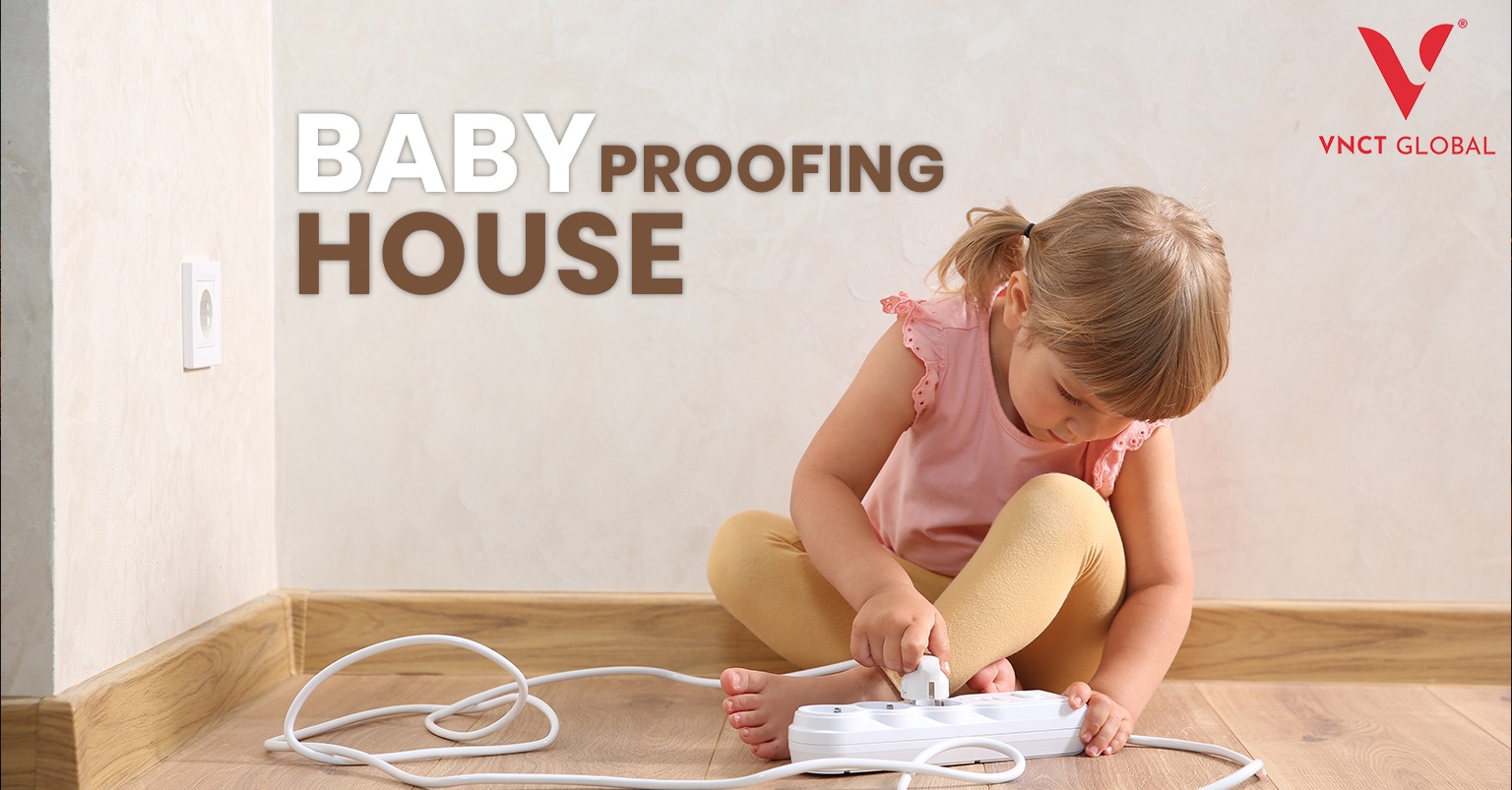
Babies get excited when they see switches and plugs. Use plug socket covers, especially in rooms where your baby crawls freely. Keep chargers, extension boxes, and wires out of reach. Hide loose wires using wire organizers or cable covers.
If you live in premium homes like Creek Residences or Ocean Drive Villas, most wiring is concealed, which already reduces risks. This is another reason NRIs prefer choosing trusted developers like VNCT Global the safety standards are consistently higher than average Indian homes.
How to Get Ready for an Emergency?
Even with perfect babyproofing, accidents can still happen. So, every parent must have an emergency plan:
- Keep a fully stocked first-aid kit in the living room and bedroom.
- Save emergency numbers—pediatrician, nearest hospital, ambulance.
- Learn basic infant CPR (extremely helpful for new parents).
- Teach older family members the basics of baby safety.
For NRI families settling back in India or frequently traveling in and out, VNCT Global—noted as one of the largest villa developers in India provides community-level security, CCTV-enabled surroundings, and 24/7 support systems that make parenting much more stress-free. Their commitment to quality also encourages parents to feel safe whether they live in the home or leave it temporarily.
Conclusion
Babyproofing a house isn’t just about adding locks and guards—it’s about creating a home where your little one can move freely, explore safely, and grow without unnecessary risks. Whether you’re a new parent or preparing your home for visiting grandchildren, a thoughtful room-by-room approach makes a world of difference. And for NRI families, babyproofing becomes even more important since children often split their time between countries, adapting to different home layouts and surroundings.
This is why choosing the right home matters. Many NRI parents who invest in properties like Palm Beach, Brookside Residences, Creek Residences, or Park Villas appreciate how VNCT Global designs their homes with both comfort and safety in mind. As one of the best villa developers in India, VNCT Global offers spacious, well-planned layouts that make childproofing easier and give parents the peace of mind they deserve. From secure balconies to structured living spaces, their villas support safe family living—something that becomes invaluable when you’re raising a curious, ever-exploring toddler.
Creating a safe home doesn’t need to be overwhelming. With the right mindset, a little planning, and a home built by trusted developers like VNCT Global, babyproofing becomes a natural extension of your parenting journey.
FAQs on Babyproofing a House
- When should I start babyproofing my home?
It’s best to start when your baby is around 5–6 months old—right before they begin crawling. Early preparation avoids last-minute stress. - How do I babyproof sharp corners in the house?
Use cushioned corner guards or edge protectors. Secure them tightly, especially on furniture like TV units, coffee tables, and bed frames. - Are villas safer for babyproofing compared to apartments?
Yes, villas—especially spacious villas in Chennai, villas in Madurai, and villas in Coimbatore provide more layout flexibility and controlled spaces. VNCT Global, known among the best villa developers in India, designs family-friendly homes that make childproofing easier. - How can NRI parents babyproof a home they visit occasionally?
You can do temporary babyproofing like socket covers, door locks, stair gates, and foam mats. VNCT Global supports NRI homeowners by assisting with safety setup before their arrival—making homes ready for babies in advance. - How do I ensure kitchen safety for toddlers?
Use cabinet locks, keep knives and cleaning liquids out of reach, turn pot handles inward, and avoid placing hot items on the edge of counters. - What should I focus on when babyproofing the bathroom?
Install non-slip mats, keep medicines in locked cabinets, cover taps to prevent burns, and ensure the bathroom door stays closed when not in use. - How do I make balconies safe for kids?
Use grills at least 4 feet high, avoid placing furniture near railings, and add child-proof locks to balcony doors. Villas like those from VNCT Global often come with built-in safety-oriented designs. - How can I protect my baby from electrical hazards?
Cover all sockets, hide wires using cable organizers, and keep chargers out of reach. Concealed wiring in modern homes makes this easier. - Do I need a first-aid kit at home?
Absolutely. Keep a kit with bandages, antiseptics, thermometers, and basic medications. Teach family members how to use it during emergencies. - Why do parents prefer VNCT Global for family-friendly homes?
Because VNCT Global is not only one of the largest villa developers in India but also a trusted name among NRIs. Their villas are designed for family comfort, safety, and long-term living, with layouts that naturally support babyproofing and child safety.