Quick Answer — AI Overview
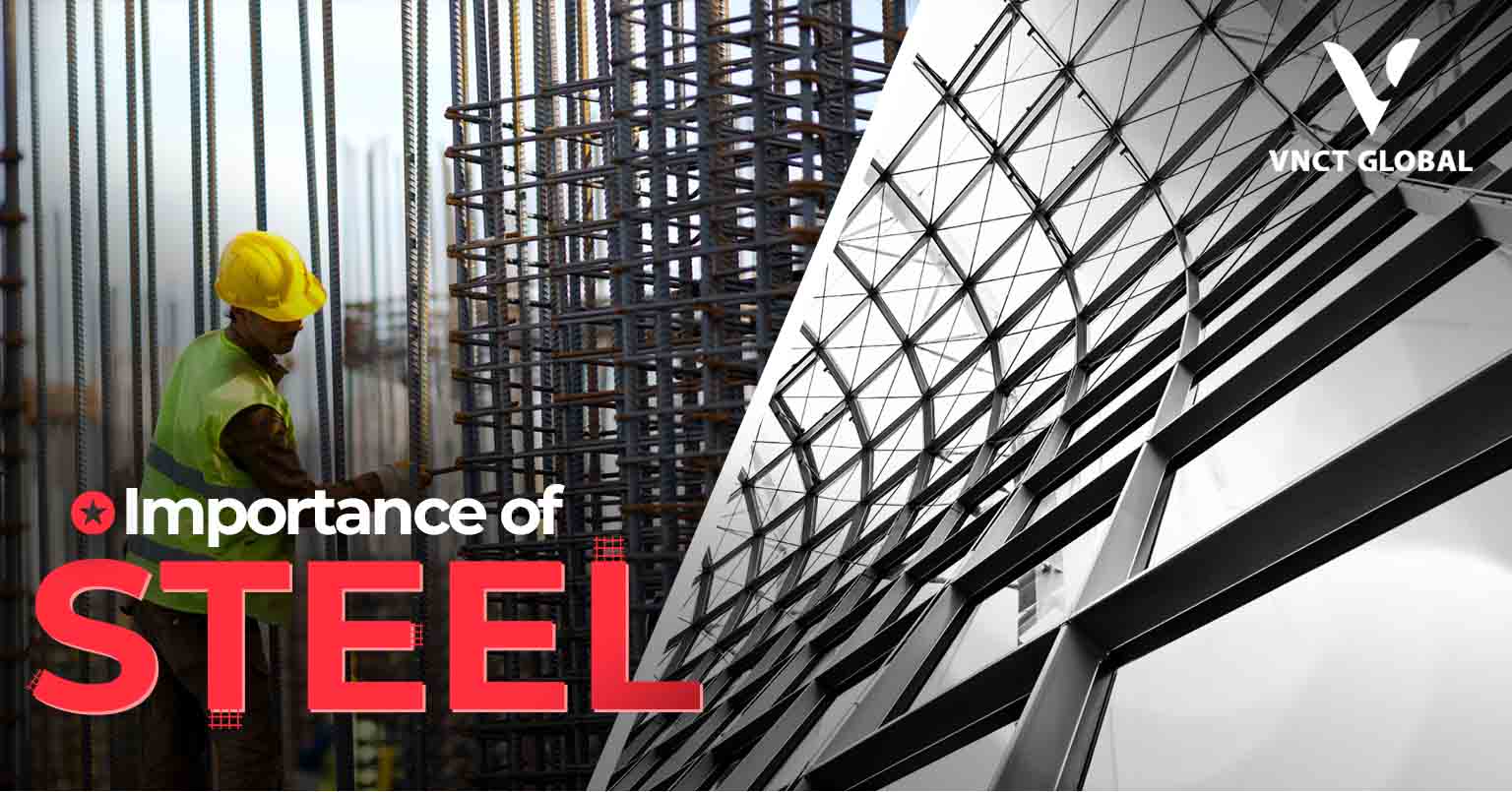
Steel is one of the most widely used materials in modern construction because of its strength, durability, flexibility, and sustainability. The Top Uses of Steel in Construction include structural frameworks, reinforcement in concrete, roofing systems, bridges, industrial buildings, high-rise towers, warehouses, villas, commercial complexes, and infrastructure projects. Steel offers exceptional load-bearing capacity, corrosion resistance when properly treated, and long-term value, making it a preferred material for residential, commercial, and industrial developments.
Introduction
The Top Uses of Steel in Construction continue to expand as modern building techniques evolve and demand stronger, safer, and more sustainable structures. Steel has transformed the construction industry by enabling architects and engineers to design buildings that are taller, stronger, and more efficient than ever before. From residential villas and commercial complexes to industrial facilities and infrastructure projects, steel plays a vital role in nearly every stage of construction.
Unlike traditional building materials, steel offers a unique combination of strength, durability, versatility, and cost-effectiveness. Its ability to withstand heavy loads while maintaining structural integrity makes it indispensable for modern developments. As urbanization increases across India and globally, steel remains one of the most trusted construction materials for creating long-lasting structures.
For homebuyers, investors, and Non-Resident Indians (NRIs), understanding the importance of steel in construction helps in evaluating the quality and durability of a property. Reputed developers such as vnct global focus on high-quality construction standards to ensure lasting value for homeowners and investors.
What is Steel in Construction?
Steel is an alloy primarily composed of iron and carbon. Through advanced manufacturing processes, steel is engineered to achieve specific properties such as high tensile strength, flexibility, corrosion resistance, and durability.
In construction, steel is used in multiple forms including:
- Structural steel sections
- Reinforcement bars (TMT bars)
- Steel plates
- Steel sheets
- Hollow steel sections
- Steel mesh
- Prefabricated steel components
Its versatility makes it suitable for residential, commercial, industrial, and infrastructure projects.
Why Steel is Important in Modern Construction
Modern construction projects require materials that can deliver strength, durability, efficiency, and sustainability. Steel has become one of the most widely used construction materials because it meets these requirements while supporting modern architectural and engineering demands. From residential buildings to large-scale infrastructure projects, steel plays a crucial role in ensuring structural safety and long-term performance.
Exceptional Strength
Steel possesses an outstanding strength-to-weight ratio, making it capable of supporting heavy loads without requiring excessive material thickness. This characteristic allows engineers to design stronger structures with lighter frameworks, reducing the overall weight of buildings. Steel’s high tensile and compressive strength also makes it suitable for high-rise towers, industrial facilities, bridges, and large-span structures where structural integrity is critical.
Long-Term Durability
One of the major advantages of steel is its ability to withstand harsh environmental conditions over extended periods. When properly treated with protective coatings or galvanization, steel resists corrosion, moisture damage, pests, and decay. Unlike wood, it does not warp, crack, or rot over time. This durability reduces maintenance requirements and helps structures remain safe and functional for decades.
Design Flexibility
Steel offers architects and engineers tremendous design freedom. Its strength allows for longer spans, larger open spaces, and unique architectural forms that would be difficult to achieve with traditional construction materials. Curved designs, cantilevered structures, expansive commercial spaces, and modern aesthetic features can all be efficiently created using steel components. This flexibility enables innovative building designs while maintaining structural reliability.
Faster Construction
Speed is a major factor in modern construction, and steel significantly contributes to faster project completion. Many steel components are fabricated and pre-engineered in controlled factory environments before being transported to the construction site. This prefabrication process reduces on-site labor, minimizes construction delays, and improves installation accuracy. As a result, projects can be completed more efficiently, helping developers reduce costs and meet project deadlines.
Sustainability
Steel is one of the most environmentally responsible construction materials available today. It is highly recyclable and can be reused multiple times without losing its structural properties. A large percentage of the steel used in construction is produced from recycled materials, reducing the demand for new raw resources. Additionally, steel-framed buildings can support energy-efficient designs, contributing to greener and more sustainable construction practices. As the construction industry increasingly focuses on environmental responsibility, steel continues to play a key role in sustainable development.
Properties of Construction Steel
Understanding the key properties of construction steel helps explain why it remains one of the most preferred building materials in the world. Its unique combination of strength, flexibility, durability, and sustainability makes it suitable for a wide range of construction applications, from residential buildings to large-scale infrastructure projects.
High Tensile Strength
One of steel’s most valuable characteristics is its exceptional tensile strength. It can withstand significant pulling, stretching, and compression forces without failure. This property enables steel structures to carry heavy loads while maintaining stability and safety. High tensile strength is particularly important in high-rise buildings, bridges, industrial facilities, and other structures that experience substantial structural stresses throughout their lifespan.
Ductility
Steel possesses excellent ductility, meaning it can deform or bend under stress without suddenly breaking. This characteristic is especially important in regions prone to earthquakes and strong winds. During seismic events, ductile steel structures can absorb and redistribute forces, reducing the likelihood of catastrophic structural failure. This flexibility provides an additional layer of safety for both buildings and occupants.
Toughness
Toughness refers to a material’s ability to absorb energy and resist fracture under impact or sudden loading conditions. Construction steel exhibits high toughness, allowing it to perform reliably even when subjected to dynamic forces, vibrations, heavy machinery loads, or extreme weather conditions. This property contributes significantly to the long-term durability and resilience of steel structures.
Uniform Quality
Unlike many natural construction materials that may vary in strength and composition, steel is manufactured under strict quality control standards. This ensures consistent mechanical properties, dimensions, and performance across all steel components. Uniform quality improves construction accuracy, simplifies engineering calculations, and enhances overall structural reliability, helping builders achieve predictable and dependable results.
Recyclability
Steel is one of the most sustainable construction materials available today. It can be recycled multiple times without losing its strength, durability, or other essential properties. Recycled steel is commonly used in the production of new construction materials, reducing the need for raw resource extraction and minimizing environmental impact. This ability to be reused repeatedly supports sustainable construction practices and contributes to a circular economy within the building industry.
Top Uses of Steel in Construction
The following applications represent the most important and practical uses of steel in modern building projects.
Structural Steel Frameworks
Structural frameworks represent one of the most significant Top Uses of Steel in Construction.
Steel beams, columns, and girders form the skeleton of buildings, providing support and stability.
Applications include:
- Office buildings
- Shopping malls
- Hospitals
- Educational institutions
- Airports
- Residential towers
Benefits:
- Strong load-bearing capability
- Reduced foundation requirements
- Faster assembly
- Greater architectural freedom
Reinforced Concrete Structures
Concrete performs well under compression but poorly under tension.
Steel reinforcement bars (TMT bars) are embedded within concrete to overcome this limitation.
Common applications:
- Foundations
- Columns
- Beams
- Slabs
- Retaining walls
Steel reinforcement enhances:
- Structural strength
- Crack resistance
- Longevity
- Earthquake performance
Steel Roofing Systems
Steel roofing has become increasingly popular due to its durability and weather resistance.
Advantages include:
- Long lifespan
- Fire resistance
- Low maintenance
- Lightweight installation
Steel roofing is widely used in:
- Residential projects
- Industrial facilities
- Commercial complexes
- Agricultural buildings
Steel Bridges and Flyovers
Bridges require materials capable of handling heavy loads and environmental stress.
Steel provides:
- High strength
- Long spans
- Reduced weight
- Faster construction
Many iconic bridges around the world rely heavily on steel structures.
High-Rise Buildings
Without steel, modern skyscrapers would be impossible.
Steel enables:
- Greater building heights
- Reduced structural weight
- Improved safety
- Faster construction schedules
Urban developments increasingly depend on steel framing systems.
Industrial Buildings and Manufacturing Facilities
Factories require large column-free spaces.
Steel structures make this possible by providing:
- Wide-span roofs
- Flexible layouts
- Expansion capability
- Cost efficiency
Industrial parks throughout India rely heavily on steel-based construction systems.
Warehouses and Logistics Centers
The rapid growth of e-commerce has increased demand for steel warehouses.
Benefits include:
- Quick construction
- Large storage capacity
- Easy customization
- Reduced maintenance costs
Steel warehouses are ideal for logistics and distribution operations.
Steel in Residential Villa Projects
Premium residential developments increasingly utilize steel-reinforced structures to enhance durability and safety.
Projects featuring villas in chennai, villas in madurai, and villas in coimbatore often benefit from modern construction practices that incorporate high-quality steel reinforcement.
Buyers evaluating luxury communities should consider the structural materials used, as these directly impact property longevity and maintenance costs.
Developments such as Brookside Residences, Palm Shore, Palm Beach, Creek Residences, Park Villas, and Ocean Drive Villas demonstrate the growing emphasis on quality construction standards in contemporary villa communities.
Steel in Commercial Buildings
Commercial buildings demand materials that can support heavy loads, provide design flexibility, and ensure long-term durability. Steel meets all these requirements, making it one of the most preferred construction materials for commercial developments.
From office towers and shopping malls to hotels and business parks, steel provides the structural backbone that allows architects to create modern and functional spaces. Its high strength-to-weight ratio enables large open floor plans with fewer columns, resulting in more usable space for businesses.
Steel also helps accelerate project completion. Since many steel components are fabricated off-site and assembled on-site, construction timelines are significantly reduced. This efficiency is particularly valuable for commercial projects where faster completion translates into earlier occupancy and revenue generation.
As India’s commercial real estate sector continues to expand, steel remains a critical component in delivering safe, durable, and aesthetically appealing structures.
Steel in Infrastructure Development
Infrastructure forms the foundation of economic growth, and steel plays a vital role in building that foundation.
Many of the world’s most important infrastructure projects rely heavily on steel, including:
- Highways
- Flyovers
- Metro rail systems
- Railway stations
- Airports
- Ports
- Water treatment facilities
- Power plants
Steel’s exceptional strength allows infrastructure projects to withstand heavy usage and environmental stress for decades. It can handle dynamic loads, temperature variations, and challenging weather conditions while maintaining structural integrity.
India’s rapid urbanization and government-led infrastructure initiatives have increased the demand for high-quality construction steel. As cities expand and transportation networks improve, steel continues to be a key material driving national development.
The growing need for smart transportation systems and modern public infrastructure further reinforces the importance of steel in future construction projects.
Benefits of Using Steel in Construction
The widespread adoption of steel in construction is driven by the numerous advantages it offers compared to many traditional building materials.
Superior Strength
Steel provides outstanding load-bearing capacity while maintaining relatively low weight. This allows engineers to create stronger structures with less material.
Faster Construction
Pre-engineered steel components can be manufactured in controlled factory environments and assembled quickly on-site. This reduces construction delays and improves project efficiency.
Design Flexibility
Steel allows architects to create innovative building designs, large open spaces, and complex structural forms that may not be possible with conventional materials.
Long-Term Durability
Properly protected steel structures can last for decades with minimal maintenance, making them a cost-effective investment.
Improved Safety
Steel is highly predictable in performance and offers excellent resistance to structural failure when designed correctly.
Cost Efficiency
Although initial costs may vary, steel often reduces long-term expenses through lower maintenance requirements and extended service life.
These benefits explain why steel remains one of the most trusted materials in modern construction.
Steel and Sustainable Construction
Sustainability has become a major focus in the construction industry, and steel contributes significantly to environmentally responsible building practices.
One of steel’s greatest advantages is its recyclability. Unlike many materials that degrade after recycling, steel can be recycled repeatedly without losing its essential properties.
Benefits of steel in sustainable construction include:
- Reduced construction waste
- High recyclability
- Lower environmental impact
- Efficient resource utilization
- Compatibility with green building standards
Modern steel manufacturing processes continue to become more energy-efficient, helping reduce carbon emissions across the construction supply chain.
Sustainable buildings often combine steel with energy-efficient technologies such as solar panels, rainwater harvesting systems, and smart energy management systems.
For environmentally conscious homebuyers and investors, steel-based construction offers a responsible and future-focused solution.
Steel for Earthquake-Resistant Buildings
Earthquakes can place enormous stress on buildings, making structural resilience a top priority in construction.
Steel is particularly valuable in earthquake-prone regions because of its ductility. Unlike brittle materials that may crack or collapse under sudden stress, steel can deform and absorb seismic energy without catastrophic failure.
Key advantages of steel in earthquake-resistant structures include:
Flexibility
Steel can bend under stress while maintaining structural integrity.
Energy Absorption
Steel dissipates seismic forces more effectively than many traditional materials.
Reduced Structural Weight
Lighter buildings generally experience lower seismic loads.
Enhanced Safety
Steel-framed buildings often perform better during earthquakes, reducing risks to occupants.
Engineers frequently combine steel reinforcement with reinforced concrete systems to create structures capable of withstanding seismic activity.
As building safety standards continue to evolve, steel remains a crucial material for resilient and disaster-resistant construction.
How VNCT Global Uses Quality Construction Materials
At vnct global, quality construction begins with selecting reliable materials that contribute to long-term durability, safety, and customer satisfaction.
Every successful real estate project depends on strong foundations and robust structural systems. High-quality construction materials, including premium-grade steel reinforcement, play a critical role in ensuring structural stability and longevity.
For homebuyers seeking villas in chennai, villas in madurai, and villas in coimbatore, construction quality should be one of the most important considerations during the purchasing process.
VNCT Global focuses on:
- Quality-driven construction practices
- Structural reliability
- Long-term durability
- Customer transparency
- Modern engineering standards
Projects such as Brookside Residences, Palm Shore, Palm Beach, Creek Residences, Park Villas, and Ocean Drive Villas reflect the company’s commitment to delivering value-driven residential communities.
As one of the recognized names among the best villa developers in india, VNCT Global emphasizes quality at every stage of development. The company’s customer-first approach has helped build trust among homeowners and investors alike.
For NRIs looking to invest in Indian real estate, VNCT Global provides support throughout the buying process, helping overseas buyers make informed investment decisions with confidence. This commitment has contributed to its reputation among both the best villa developers in india and the largest villa developers in india segments of the market.
Why Leading Villa Developers Prefer Steel
The best villa developers in india understand that construction quality directly affects customer satisfaction and project reputation.
Steel offers:
- Structural reliability
- Superior earthquake resistance
- Longer building lifespan
- Reduced maintenance
- Improved safety standard
Many of the largest villaindia continue to invest in advanced steel construction methods to enhance project quality.
When comparing projects from the best villa developers in india, buyers should always evaluate the materials and engineering practices used during construction.
Conclusion
The Top Uses of Steel in Construction demonstrate why steel remains the backbone of modern infrastructure and real estate development. From structural frameworks and reinforced concrete systems to bridges, warehouses, and luxury villas, steel delivers unmatched strength, durability, and sustainability.
As India’s real estate sector continues to grow, developers who prioritize high-quality steel construction will remain at the forefront of the industry. Whether you’re a homeowner, investor, or NRI buyer, understanding steel’s role in construction helps you make more informed property decisions.
Companies such as vnct global continue to focus on quality construction standards, helping customers invest confidently in projects that deliver long-term value.For more information about premium villa developments and investment opportunities, contact us vnct global.
FAQs For Top Uses of Steel in Construction
Why is steel important in construction?
Steel provides strength, durability, flexibility, and structural stability, making it essential for modern buildings and infrastructure.
What are the Top Uses of Steel in Construction?
Major applications include structural frameworks, reinforced concrete, roofing systems, bridges, warehouses, industrial buildings, and residential projects.
Is steel better than concrete?
Steel and concrete serve different purposes. Steel offers superior tensile strength, while concrete provides excellent compressive strength. Together, they create strong structures.
Why do high-rise buildings use steel?
Steel enables taller structures by providing exceptional strength while reducing overall building weight.
Is steel environmentally friendly?
Yes. Steel is one of the world’s most recycled construction materials and supports sustainable building practices.
How does steel improve earthquake resistance?
Steel’s ductility allows it to absorb and dissipate seismic energy, reducing structural damage during earthquakes.
Why should NRIs consider construction quality before investing?
High-quality construction ensures durability, safety, lower maintenance costs, and stronger long-term investment returns.
How does VNCT Global support NRI investors?
VNCT Global assists with project updates, investment guidance, documentation support, and transparent communication throughout the property-buying process.