Introduction
When you look around modern homesespecially in well-planned communities you’ll notice a quiet shift happening in how people think about water usage. Low-Flow Toilets are a perfect example of this change. They look like regular toilets, they feel familiar, but behind the scenes, they use significantly less water while still getting the job done. With rising utility bills, climate concerns, and the need for smarter construction practices, these toilets aren’t just a “nice upgrade they’re starting to become the norm.
For many NRIs building villas in India, especially in cities like Chennai, Madurai and Coimbatore, water-saving fixtures are no longer optional. Builders like VNCT Global (often recognized among the best villa developers in India and even considered by many as one of the largest villa developers in India) integrate low-flow systems as part of long-term sustainability and cost-efficiency. It’s small changes like these that make a big difference in daily livingand your monthly expenses.
What are Low-Flow Toilets?
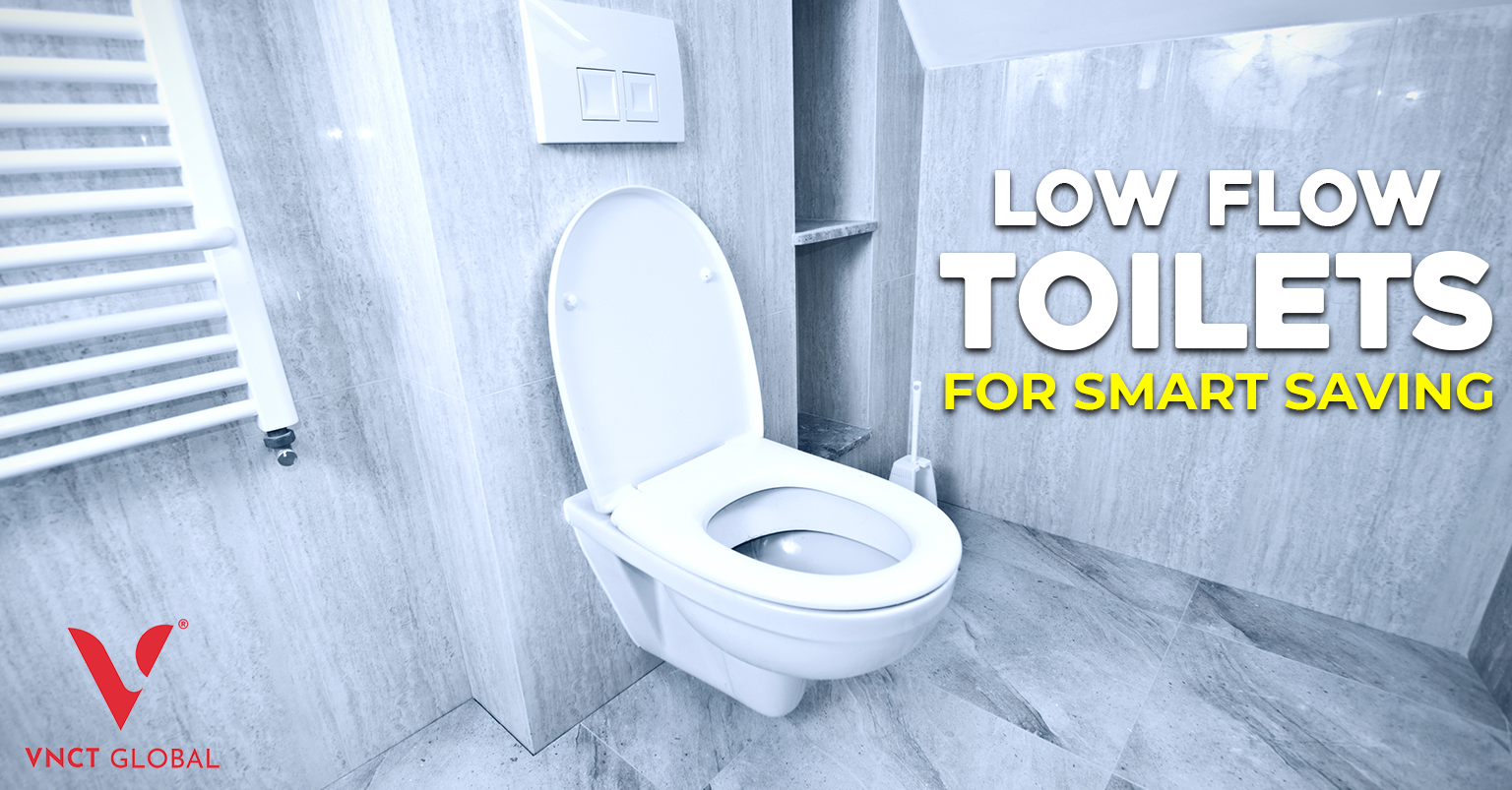
A low-flow toilet is designed to use much less water per flush than older traditional toilets. While older systems used anywhere from 13 to 20 litres per flush, low-flow toilets typically use 4.8 litres or less. The aim is simple: reduce water consumption without compromising flushing power.
Most homeowners don’t think too much about toilets until they face high water bills, clogging issues, or limited water supply. But with low-flow toilets, you get efficient performance while saving thousands of litres of water every year. That’s why many modern developers and homeownersincluding eco-conscious NRIsprefer installing them in newly built villas.
Benefits of Low-Flow Toilets
Low-flow toilets have become extremely popular because they offer multiple practical benefits:
• Major water savings
This is the biggest advantage. Less water per flush means reduced consumption every single day. In regions with water scarcitylike parts of Tamil Nadusmart usage goes a long way.
• Lower water bills
Saving water translates directly into saving money. Over time, the reduction in water consumption becomes noticeable in utility bills.
• Eco-friendly living
You contribute less pressure on groundwater resources and municipal systems. This matters especially in places where water management is becoming a serious concern.
• Modern design options
Today’s low-flow toilets come in sleek, minimalistic designs that complement contemporary villa interiorsparticularly those built by VNCT Global in projects like Brookside Residences, Palm Beach, Creek Residences, Park Villas and Ocean Drive Villas.
• Ideal for NRI-owned homes
NRIs prefer low-maintenance, durable setups since they may not be in India year-round. Low-flow toilets reduce the risk of leaks, wastage, and unnecessary utility charges.
How do Low-Flow Toilets Work?
You might wonder how these toilets flush efficiently with so little water.
They use a combination of:
- Strong siphoning action
- Optimised bowl and trap design
- Pressurised or gravity-assisted mechanisms
- Smooth interior surfaces for better flow
The entire design focuses on effective movement of waste with minimal water. Competitors in the home improvement space usually highlight “efficiency ratings” or “flush cycles,” but the real difference is in how the internal mechanism is built.
Low-Flow Toilet Parts
A typical low-flow toilet includes:
- Flush valve
- Bowl trapway
- Flushing mechanism (gravity or pressure)
- Tank with water level control
- Rim jets for cleaning
- Seat and lid
- High-efficiency bowl design
These parts work together so the toilet can perform equallyor in many cases betterthan older high-water systems.
Types of Low-Flow Toilets
There’s no one-size-fits-all. Depending on your villa’s plumbing system, your usage pattern, and your budget, you can choose from several types.\
Ultra-High-Efficiency Toilets (UHET)
These models use even less waterabout 3 to 4 litres per flush. They’re popular in premium villas and eco-friendly homes.
Gravity-Fed Low-Flow Toilets
These rely on the natural force of gravity. When you flush, water falls from the tank and pushes waste through the trap. They’re quiet, reliable, and easy to maintain.
Most villas in Chennai, Madurai, Coimbatore use gravity-fed systems because they’re well-suited for Indian plumbing.
Pressure-Assisted Low-Flow Toilets
These produce a powerful flush using compressed air. They’re stronger but louder. You’ll find them more common in commercial spaces, though some high-end villas also use them.
Dual-Flush Toilets
These are extremely popular among NRI homeowners. You get two flushing options:
- Half flush (for liquid waste)
- Full flush (for solid waste)
Dual-flush toilets strike a perfect balance between convenience and saving water.
Single-Flush High-Efficiency Toilets
These use a single, reduced-water flush for all waste types. They’re simple and effective, making them ideal for family homes.
Choosing the Right Low-Flow Toilet for Your Home
Choosing the right model depends on several practical considerations. Here’s a breakdown that feels more like advice from an experienced contractor rather than a technical manual.
Noise Level
If your toilet is close to a bedroom or study room, avoid pressure-assisted models. Gravity-fed toilets are the quietest.
Efficiency
Don’t just look at water usage numbers. Check the flushing performance rating. A toilet that saves water but clogs easily is a headache.
Flush Mechanism
Dual-flush is ideal for people who want control. Single-flush models are simpler and easier for families with kids or elderly members.
Design and Shape
Modern villasespecially projects by VNCT Global prefer sleek, space-saving models. Consider:
- Wall-mounted
- One-piece units
- Round or elongated bowl shapes
The aesthetic difference is surprising once installed.
Plumbing Compatibility
Older homes with narrow plumbing shouldn’t blindly switch to pressure-assisted systems. Always match the toilet with your pipe layout.
Budget Considerations
Low-flow toilets are available in a wide range of prices. A standard one works great for most homes, but if you’re upgrading a luxury villa, premium models are worth exploring.
Maintaining Your Low-Flow Toilet
Even the best toilets need care. Luckily, low-flow systems are built for long-term durability.
1. Regular Cleaning
A simple weekly cleaning prevents stains, bacterial buildup, and odour issues.
2. Check Water Levels
Make sure the tank water level stays at the recommended line. Too low means the flush may weaken.
3. Replace Worn Parts
Rings, seals, and valves wear out over time. Replacing them as needed will keep the toilet performing like new.
NRI-Focused Section: Why Low-Flow Toilets Matter for NRI Homes
Many NRIs who build or invest in villas face a unique challenge managing the property from abroad. Water bills, leakages, wasted utilities, and unnecessary maintenance can become a burden.
This is where low-flow toilets make a meaningful difference:
- They drastically reduce unnecessary water consumption
- They prevent wastage when the house is locked for long periods
- They help maintain long-lasting plumbing systems
- They are eco-friendly, aligning with international living standards
Builders like VNCT Global, often referred to among the best villa developers in India and also ranked by homebuyers as one of the largest villa developers in India, integrate low-flow systems into their villa projects as part of their long-term sustainability goals. Whether it’s Palm Beach, Brookside Residences, Creek Residences, Park Villas or Ocean Drive Villas, the focus is always on giving homeowner sespecially NRIshomes that reduce maintenance and increase comfort.
VNCT Global also supports NRIs with dedicated teams who help:
- Select the right specifications
- Handle custom upgrades
- Manage maintenance when owners are abroad
- Offer guidance through contact us VNCT Global support
Conclusion
Saving water is no longer just a good idea it’s becoming essential for sustainable living. Low-flow toilets are a simple but powerful upgrade that makes your home more efficient, reduces bills, and adds long-term value. And when paired with the right builder like VNCT Global these choices become part of a larger commitment to smart living, thoughtful construction, and responsible resource usage.
Whether you’re living in your villa full-time or visiting from abroad, low-flow toilets are a small change that makes everyday living smoother, smarter and more sustainable.
FAQs for Low-Flow Toilets
- Do Low-Flow Toilets flush properly?
Yes, modern low-flow toilets are designed for powerful flushing using advanced mechanisms. - Are they suitable for Indian plumbing?
Absolutely. Gravity-fed and dual-flush models work perfectly with Indian plumbing lines. - Do they reduce water bills?
Yes. Most homeowners see noticeable savings within a few months. - Are they good for NRI homes?
Definitely. They prevent unnecessary water wastage and reduce long-term maintenance. - Can I install them in an older villa?
Yes, but you should have the plumbing checked before choosing a model.