Introduction
Nominal Cover and Clear Cover are two terms that often confuse even experienced site supervisors, let alone homebuyers or NRI investors reviewing construction specifications from abroad. Yet, these covers play a quiet but critical role in determining how long a reinforced concrete structure will actually last.
If you are investing in independent homes, premium villas, or plotted developments whether in India or from overseas understanding this difference gives you clarity and confidence. It helps you evaluate construction quality beyond glossy brochures and surface-level promises.
This guide explains the difference in plain language, without engineering jargon overload, while also connecting it to real-world villa construction practices followed by reputed developers such as VNCT Global.
What is Nominal Cover?
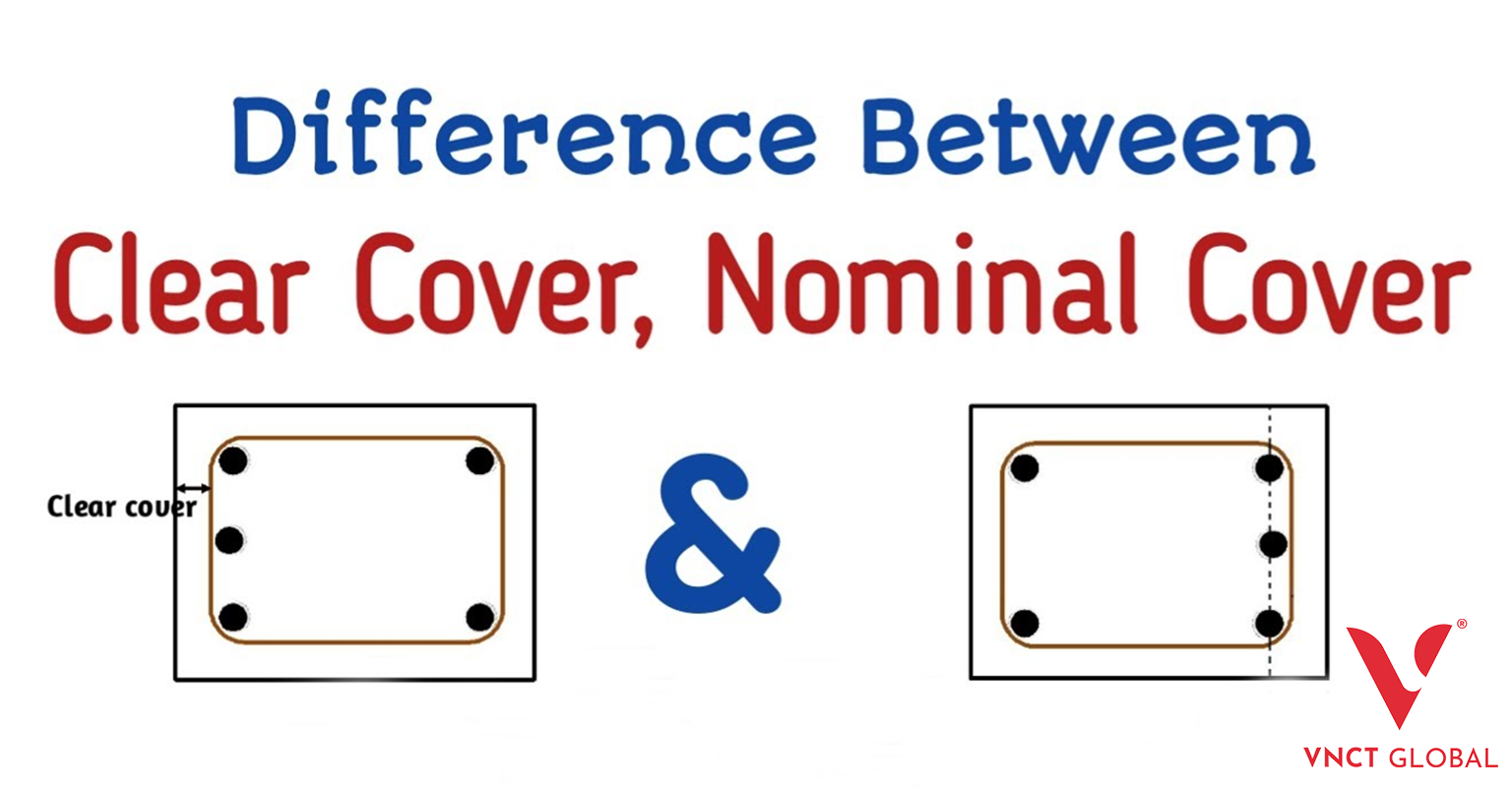
Nominal cover refers to the design-specified distance between the outer surface of concrete and the reinforcement steel embedded inside it. This value is mentioned in structural drawings and is intentionally higher than the minimum clear cover to account for construction tolerances.
In simple terms, nominal cover is what engineers aim to achieve on site.
For example:
- If the clear cover required is 20 mm,
- The nominal cover may be specified as 25 mm.
That extra margin compensates for minor execution variations during concreting, shuttering, or bar placement.
Nominal cover is decided during the design stage based on:
- Exposure conditions
- Type of structural member (beam, slab, column, footing)
- Durability requirements
- Applicable IS codes
High-quality villa projects—especially those developed by the best villa devlopers in india treat nominal cover as a non-negotiable durability parameter, not just a number on paper.
What is a Clear Cover?
Clear cover is the actual physical distance measured on site between the reinforcement bar surface and the concrete surface.
This is the real, measurable value after construction.
Clear cover directly affects:
- Corrosion resistance of steel
- Fire resistance of the structure
- Overall life span of RCC elements
Unlike nominal cover, clear cover does not include construction tolerances. If clear cover is inadequate, even a well-designed structure can fail prematurely due to steel corrosion or cracking.In premium residential developments like villas in Chennai, villas in Madurai, and villas in Coimbatore, clear cover consistency is a strong indicator of construction discipline and supervision quality.
Key Difference Between Nominal Cover and Clear Cover
| Aspect | Nominal Cover | Clear Cover |
| Definition | Design-intended cover | Actual provided cover |
| Purpose | Accounts for construction tolerance | Ensures durability and protection |
| Specified by | Structural engineer | Achieved at site |
| Measurement | On drawings | On completed structure |
| Risk if ignored | Design failure | Structural durability loss |
In short, nominal cover is the target, while clear cover is the reality.
Responsible developers work hard to ensure that site execution closely matches design intent this is where reputed names among the largest villa devlopers in india stand apart.
Application of Nominal and Clear Cover in Construction
Both covers apply across all RCC components, but their importance varies by element:
- Slabs: Protection against moisture ingress
- Beams: Structural strength and fire resistance
- Columns: Long-term load-bearing durability
- Footings: Resistance to soil chemicals and moisture
In coastal or high-humidity areas such as ECR developments like Ocean Drive villas or projects near Palm Beach adequate cover becomes even more critical due to increased corrosion risk.
Benefits of Proper Nominal and Clear Cover
When both covers are correctly designed and executed, the benefits are long-lasting:
- Extended structural life (50–75 years or more)
- Reduced maintenance costs
- Improved fire resistance
- Better resale and valuation
- Lower risk of hidden structural defects
This is why informed buyers increasingly ask technical questions even when purchasing luxury homes from the best villa devlopers in india.
Preparation Process on Site
Ensuring correct cover is not accidental; it is the result of disciplined site practices:
- Use of cover blocks or spacers
- Proper bar tying and alignment
- Quality shuttering systems
- Pre-pour inspection by engineers
- Post-pour cover verification
Developers like VNCT Global integrate these checks as part of their quality assurance process across projects such as Brookside Residences, Creek Residences, and Park Villas.
Factors Influencing Nominal and Clear Cover
1. Exposure Conditions
Structures exposed to moisture, salt air, or chemicals require higher cover. This is especially relevant for villas near coastal belts or landscaped water bodies.
2. Reinforcement Size
Larger diameter bars require slightly increased cover to ensure full concrete encapsulation.
3. Type of Structure
Independent villas, high-rise apartments, and commercial buildings all have different cover requirements.
4. Building Codes and Standards
Indian Standards (IS 456) clearly define minimum clear covers for durability and fire safety. Reputed developers strictly adhere to these codes rather than treating them as optional.
5. Temperature and Moisture Considerations
Thermal expansion, shrinkage, and humidity all influence long-term performance. Adequate cover acts as a buffer against these stresses.
Why This Matters for NRI Buyers
For NRIs, construction quality is often evaluated remotely through drawings, photos, walkthrough videos, and trust in the developer.
Understanding concepts like Nominal Cover and Clear Cover helps NRIs:
- Ask the right technical questions
- Compare developers objectively
- Avoid future repair surprises
- Protect long-term investment value
At VNCT Global, NRI support goes beyond sales. Their team assists with:
- Transparent structural documentation
- Regular construction updates
- Technical clarifications in simple terms
- Site inspections on behalf of overseas buyers
Whether the investment is aligned with property showcases or events in Dubai, VNCT ensures that NRI buyers feel informed, not overwhelmed.
This level of transparency is a key factor behind VNCT’s growing recognition as one of the largest villa developers in India, earning the confidence of both domestic and international investors.
VNCT Global’s Commitment to Structural Quality
From foundation to finishing, VNCT Global follows design-first construction principles. Projects such as Palm Beach, Brookside Residences, Creek Residences, and Park Villas are executed with strict supervision to ensure that clear cover on site matches nominal cover in design.
For NRIs and first-time buyers, this means:
- No hidden compromises
- No shortcuts masked by finishes
- Long-term peace of mind
If you would like to understand how structural quality is maintained across VNCT projects, you can always contact us VNCT Global for detailed guidance and technical explanations.
Conclusion
Nominal Cover and Clear Cover may sound like minor technical terms, but they play a major role in how safely and how long a building stands. For buyers especially NRIs investing from afar understanding this difference adds a valuable layer of decision-making confidence.
When developers respect both design intent and on-site execution, the result is not just a beautiful home, but a structurally sound one that stands the test of time. That is the quiet assurance behind well-built villas, thoughtful engineering, and developers who prioritise quality over shortcuts.
Current Affairs: Why Cover Thickness Matters More in 2025
In 2025, construction quality has come back into strong focus across India, particularly within residential and villa projects. As awareness grows around structural safety, climate resilience, and long-term performance, technical aspects such as Nominal Cover and Clear Cover are no longer confined to engineering discussions they are now key evaluation points for informed homebuyers.
A notable shift within the industry is the move toward durability-driven design rather than purely cost-led construction. Increasing instances of premature concrete deterioration in substandard projects have prompted both developers and regulatory bodies to emphasise correct reinforcement cover, especially in coastal regions and areas exposed to high moisture levels.
At the same time, sustainability-oriented construction practices are reshaping cover requirements. With green building standards gaining momentum, developers are giving closer attention to how appropriate cover thickness can extend the overall life of a structure, reduce carbon emissions linked to frequent repairs, and enhance fire resistance along with occupant safety.
This evolution is particularly significant for NRI buyers. Overseas investors are showing a clear preference for code-compliant, future-ready properties over short-term gains. In recent international real estate discussions and events in Dubai, construction transparency and adherence to structural standards have emerged as critical considerations among Indian property investors.
Established developers such as VNCT Global have proactively embraced this quality-first approach by strictly following IS code guidelines across their villa developments. By ensuring that on-site clear cover consistently aligns with nominal cover specifications, VNCT helps protect long-term asset value for both domestic purchasers and NRIs.
In a market where buyers increasingly assess developers beyond pricing alone, consistent adherence to technical fundamentals is a key reason why credible brands continue to be recognised among the best villa developers in India and the largest villa developers in India.
FAq For Nominal Cover and Clear Cover
- Is nominal cover always greater than clear cover?
Yes. Nominal cover includes an allowance for construction tolerance, so it is always slightly higher. - Can insufficient clear cover cause structural failure?
Over time, yes. It can lead to steel corrosion, cracking, and reduced load-bearing capacity. - How can buyers verify clear cover?
Through site inspections, third-party quality audits, or developer-provided QA reports. - Are cover requirements different for villas and apartments?
Yes. Villas often require higher cover in foundations and exposed elements due to soil and moisture conditions. - Do reputed developers actually follow these standards?
Leading names among the best villa devlopers in india follow IS codes strictly, as deviations directly affect durability and brand trust.